
What are AAC apps, and how do I choose one for my autistic child?
What AAC is, popular apps compared, and how to choose.
1 min read · All ages
Editorial team
We write practical guides for families of autistic kids, built on trusted research and professional guidance.
What AAC is, popular apps compared, and how to choose.
1 min read · All ages

Routines, communication, stories, reading and speech.
1 min read · All ages

Snacks, play, clothes, calm-down and outings.
1 min read · All ages

Twenty real examples, and how to pick a 'then'.
1 min read · Ages 1 to 9

Schedules, first-then, token and choice boards, and more.
1 min read · All ages

Guided Access, Screen Time, a case and the first apps.
1 min read · All ages

How they differ, and which to use when.
1 min read · Ages 2 to 12

Sensory, activity, social and special-interest rewards.
1 min read · All ages

Short example stories, and how to write your own.
1 min read · Ages 2 to 12
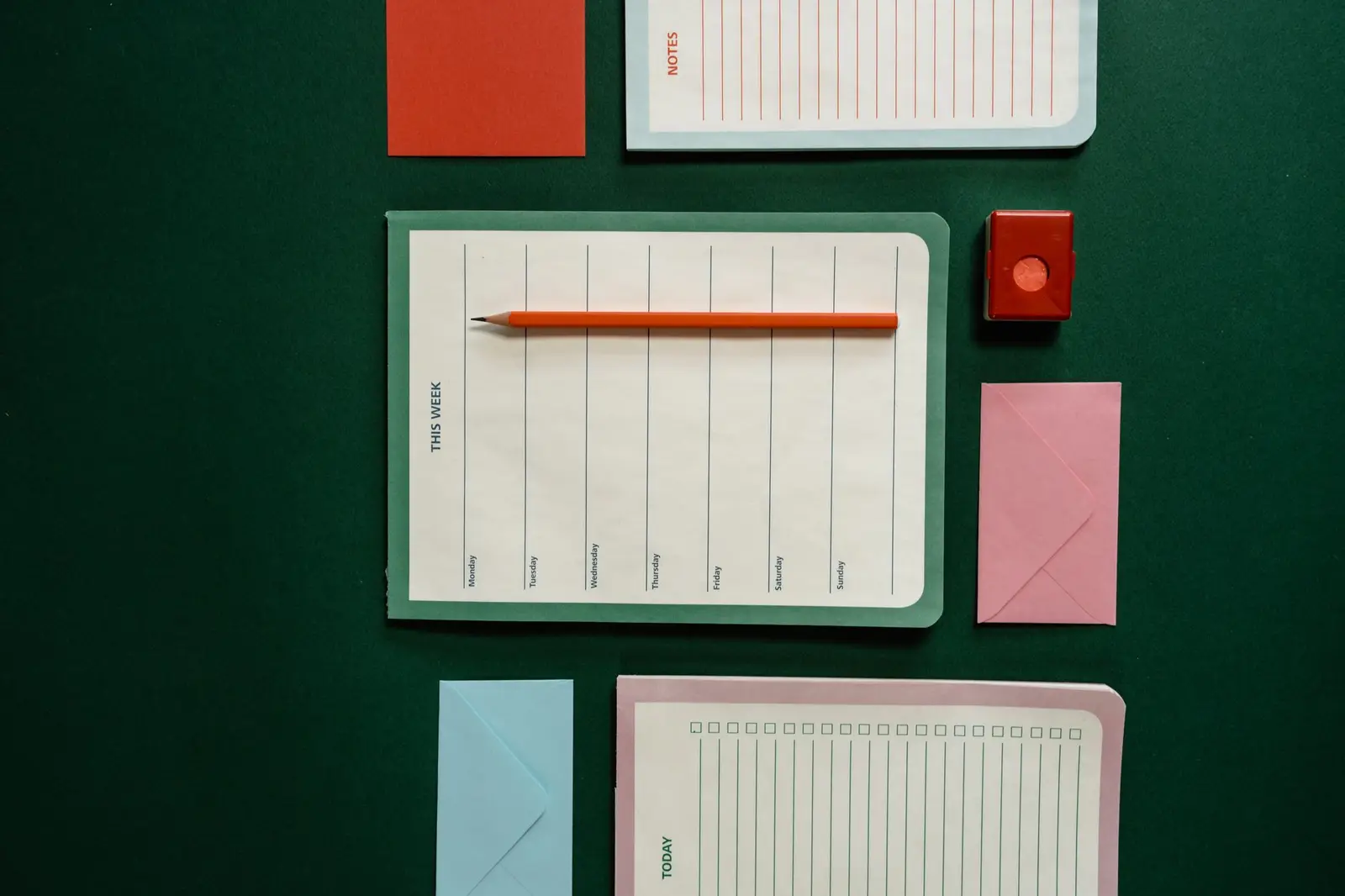
What each does well, and why many families use both.
1 min read · All ages

An honest comparison, and how to choose the right one.
2 min read · All ages

Printable templates, and how to make your own.
1 min read · All ages

What it is, and how to teach it in tiny steps.
1 min read · Ages 2 to 9

Decompression first, then a simple picture routine.
1 min read · Ages 4 to 12

Sensory tweaks, a picture routine and a clear end.
1 min read · Ages 1 to 9

Four to six picture steps, the same order every night.
1 min read · Ages 2 to 12

Preparing, planning your own, and quiet breaks.
1 min read · All ages

Adjustments, numbing cream, picture prep and a plan.
1 min read · All ages

Sensory-friendly tools, picture steps and a timer.
1 min read · Ages 1 to 12

Two pictures, one choice, fewer battles at the table.
1 min read · Ages 2 to 10

Age-by-age ideas, picture steps and real jobs.
1 min read · Ages 2 to 12

Shift bedtime gradually and keep the routine the same.
1 min read · All ages

Choosing a dentist, picture prep and practice visits.
1 min read · All ages

Smart booking, picture prep and what to bring.
1 min read · All ages

A calm, week-by-week plan for the first month.
1 min read · All ages
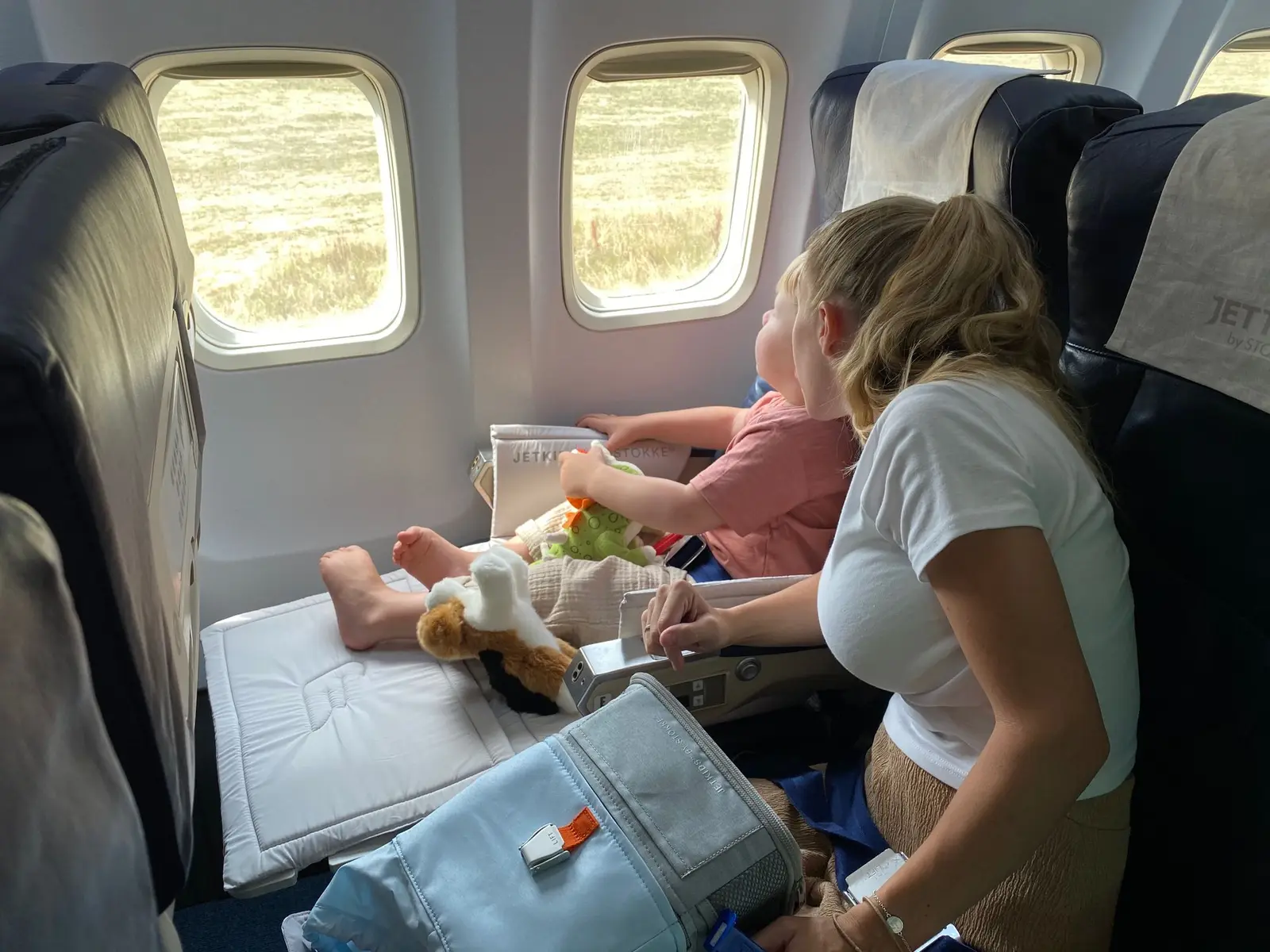
Airport support, picture prep, a calm kit and security.
1 min read · All ages

Picture steps, laid-out clothes and backward chaining.
1 min read · Ages 2 to 9

Quiet times, a picture list and a job to do.
1 min read · All ages

Water off the face, counting and small steps.
1 min read · Ages 1 to 9

Picture prep, quieter tools and the right place.
1 min read · All ages

Comfy costumes, practice runs and other ways to celebrate.
1 min read · All ages

Picture steps by the sink and a song for timing.
1 min read · Ages 2 to 9

Visual calendars, gentle changes, visitors and gifts.
1 min read · All ages

Warnings, first-then, and short words that help.
1 min read · Ages 2 to 8

Short, predictable meals and a comfortable seat.
1 min read · Ages 2 to 9

How to tell them apart, and how to help during a meltdown.
1 min read · All ages

Photos, a countdown, and setting up their room first.
1 min read · All ages

Pictures, practice, steady routines and one-on-one time.
1 min read · All ages

The right place and time, and a waiting kit.
1 min read · All ages

A visual trip map, planned stops and a car kit.
1 min read · All ages

Honest prep, numbing cream, comfort holds and distraction.
1 min read · All ages

Structure when school stops, and a weekly calendar.
1 min read · Ages 3 to 12

Higher risk, swim lessons, and securing water at home.
1 min read · All ages
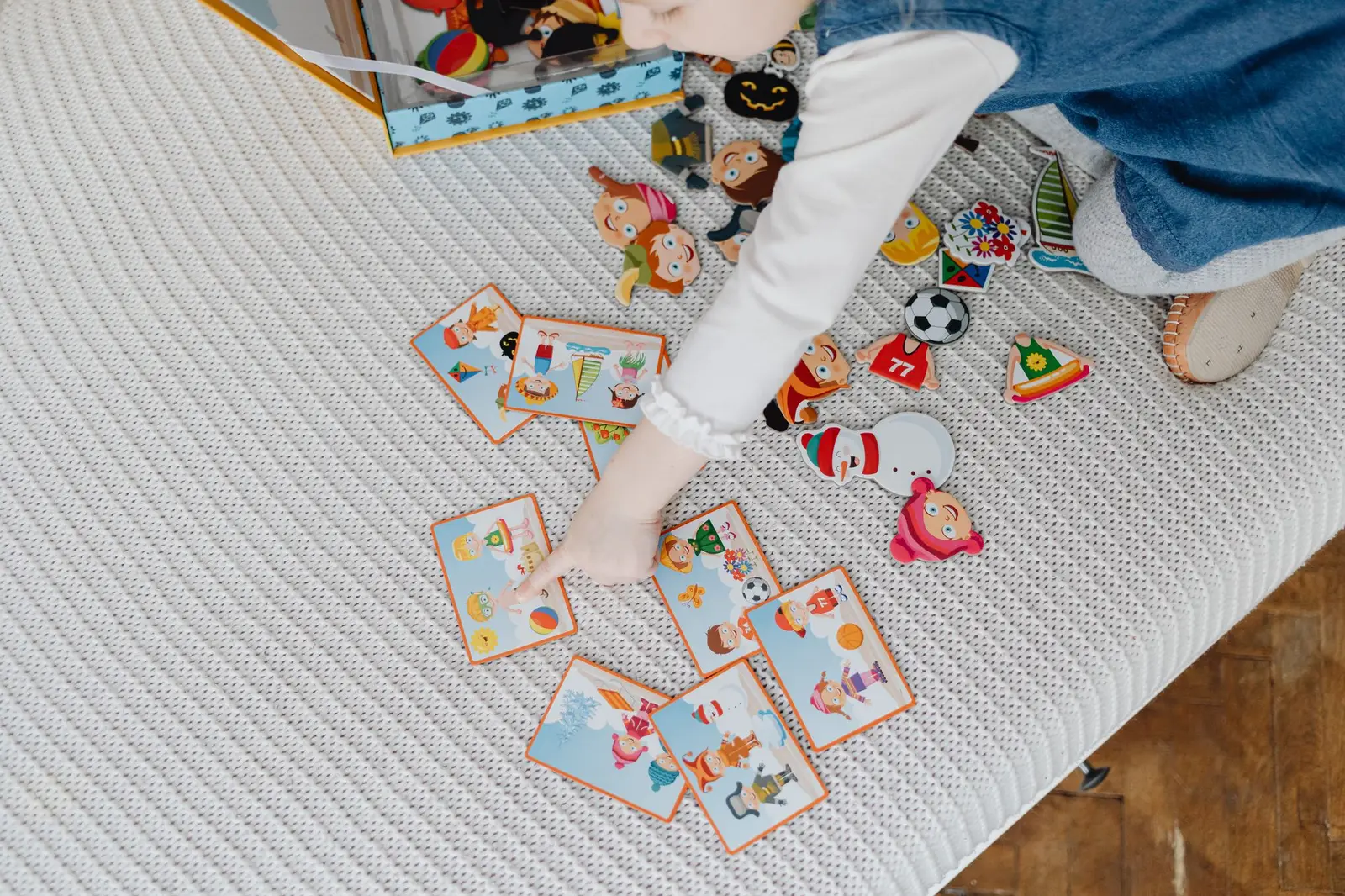
Set it up so earning feels good, not like pressure.
1 min read · Ages 3 to 12

Examples for toddlers, young children and older kids.
1 min read · All ages

Objects or photos, two steps at a time.
1 min read · Ages 1 to 3
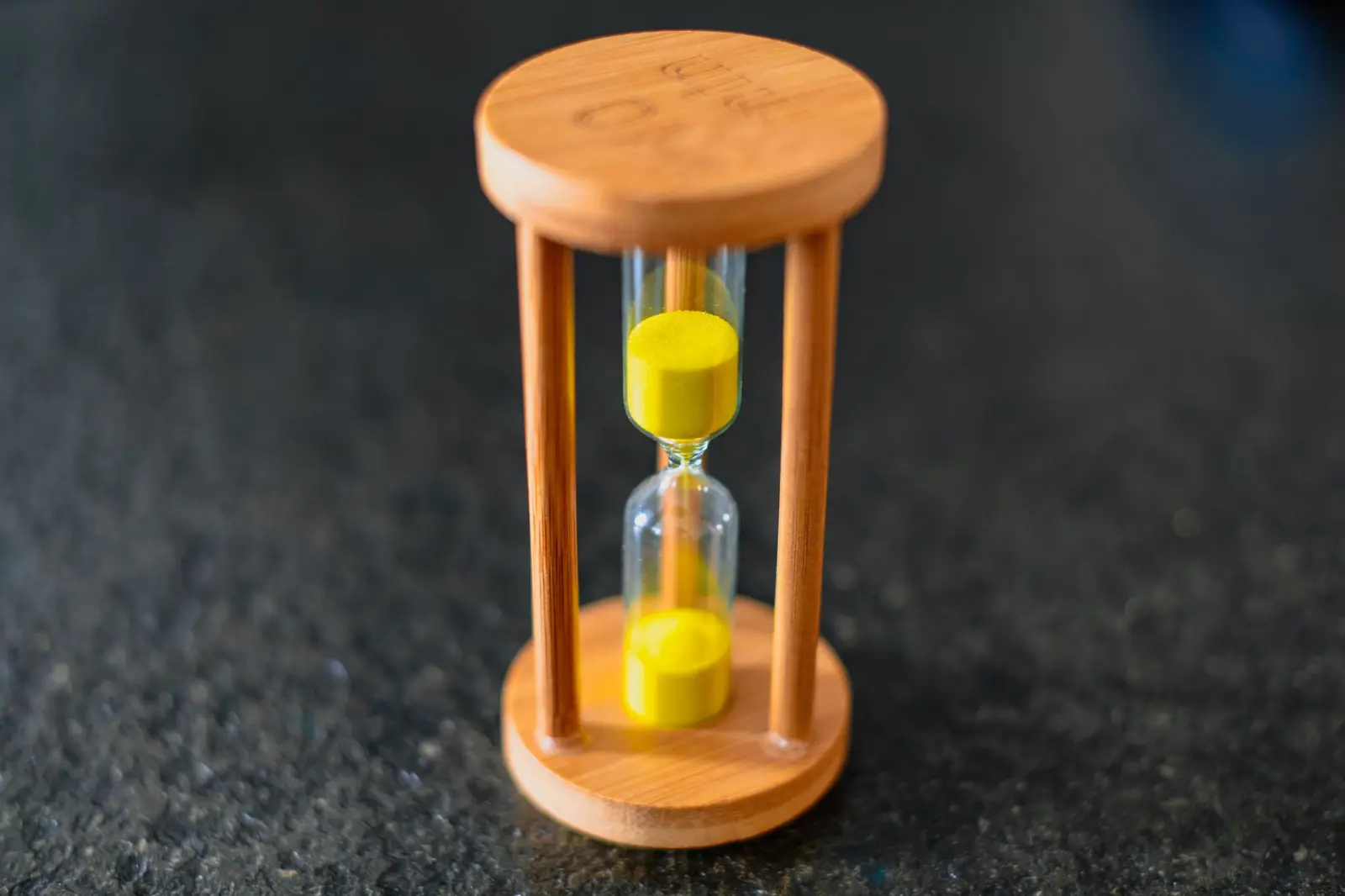
Make time visible for waiting and transitions.
1 min read · All ages

A loose schedule, one outing, and plenty of downtime.
1 min read · All ages

Pictures that show what's happening and what comes next.
2 min read · All ages

Sharing, goals, good questions and consistency at home.
1 min read · All ages

504 vs. IEP, and common accommodations for autism.
1 min read · Grades K to 12 (US)

The codes in plain language, and the 2027 changes.
2 min read · For BCBAs and clinic leaders
Continuous vs. discontinuous measurement, and when to use each.
1 min read · For RBTs and BCBAs

What ABA is, why it's debated, and what to ask a provider.
3 min read · All ages

Why many parents see themselves in their child's diagnosis.
2 min read · For parents

The 20-week process, parent views, and if the answer is no.
2 min read · 0 to 25 (England)
What assent looks like, and how to build it into sessions.
1 min read · For RBTs and BCBAs

Your legal right, the timeframes, and what to do while you wait.
1 min read · All ages (Ireland)

IDEA, budgets, grants and state AT programs.
1 min read · Districts and schools (US)

The IDEA requirement, examples, and how to write it in.
1 min read · Pre-K to grade 12 (US)

The four stages, and how to run a session well.
1 min read · Early years (UK)

Why April moved from awareness to acceptance.
2 min read · All ages

Why food is hard, and calm ways to widen the menu.
2 min read · All ages

Why sleep is hard, and what to change this week.
2 min read · All ages

Public vs private, Medicare items, and keeping costs down.
2 min read · All ages (Australia)

Mainstream support, SNAs, autism classes and special schools.
1 min read · School age (Ireland)

Zones, seating, visual clarity and a layout checklist.
1 min read · Pre-K to grade 6

Guiding principles and what they mean in practice.
1 min read · Ages 0 to 12 (Australia)

What the AET offers, and how schools use its frameworks.
1 min read · Early years to post-16 (England)

Preparation, visual steps and sensory adjustments.
1 min read · For clinicians and salons

Quiet sessions, visual guides and staff training.
1 min read · For businesses and venues

Funding amounts, the new disability benefit, and what's changing.
1 min read · Under 19 (British Columbia, Canada)

Why girls are often diagnosed later, and what to look for.
2 min read · Ages 4 to 12

Universal supports, peers, and planning with the team.
1 min read · Grades K to 6

Choice boards, quiet options and structured games.
1 min read · Grades K to 6

Why some kids hold it together, then fall apart at home.
2 min read · Ages 4 to 12

What medication can and can't do, and what to ask.
2 min read · Ages 4 to 12

What helps in the moment, and preventing the next one.
1 min read · Grades K to 6

Practical supports for older students and busier schools.
1 min read · Grades 6 to 12

EYFS strategies, SEN support, and working with families.
1 min read · Birth to 5 (England)

Routines, play, communication and working with families.
1 min read · Ages 2 to 5
NASC, Child Development Services and autism support.
1 min read · All ages (Aotearoa New Zealand)

Each nation's education support system, and where to start.
1 min read · All ages (UK nations)

Infinity symbols, autism colors, and why they changed.
2 min read · All ages

What screeners like the M-CHAT can and can't tell you.
2 min read · Ages 1 to 9

Speech, OT, behavioral, school and home supports, explained.
3 min read · All ages

Core topics, practical skills and respectful language.
1 min read · For support workers and carers

How they overlap, how they differ, and what AuDHD means.
2 min read · Ages 3 to 12

Core principles, structure, and working through dilemmas.
1 min read · For BCBAs and RBTs

Two pathways, new fieldwork rules, and who's affected.
1 min read · For BCBA trainees and supervisors

Warning signs, and what helps people and organizations.
1 min read · For BCBAs and RBTs

32 CEUs, ethics and supervision minimums, and planning tips.
1 min read · For BCBAs

What's on the 6th edition exam and how to study for it.
2 min read · For BCBA candidates

Common questions, strong answers, and what to ask back.
2 min read · For BCBAs

Hours, monthly rules and unrestricted activities, explained.
1 min read · For BCBA trainees

Education, scope and supervision for each ABA credential.
1 min read · For ABA professionals

What goes in a BIP, and how to make it usable.
1 min read · For BCBAs and trainees

The tool types ABA teams use, and how to choose.
2 min read · For BCBAs, RBTs and clinics

What to put in it, how to teach it, and a free card.
1 min read · Pre-K to grade 6

A simple structure, and making home practice realistic.
2 min read · For BCBAs

Fit, privacy, cost, training and a small trial.
1 min read · For charities and services
Shorter, more visual, more interactive group time.
1 min read · Ages 2 to 6

What to check, involving pupils, and quick fixes.
1 min read · School age

Starting, choosing rewards, fading, and a free printable.
1 min read · Grades K to 6

Warnings, timers, visuals and jobs for smoother transitions.
1 min read · Pre-K to grade 6

Whole-class and individual schedules, plus a free printable.
1 min read · Pre-K to grade 6

What the Standards require, with examples for autistic students.
1 min read · School age (Australia)

Who decides, privacy checks, and how to request an app.
1 min read · Districts and schools (US)

How each works, and how to blend them in a session.
1 min read · For RBTs and BCBAs

Routines, play, communication and transitions in early learning.
1 min read · Birth to 5

Thriving Kids basics, and talking with families about concerns.
1 min read · Birth to 8 (Australia)

What good early support looks like, and where to find it.
2 min read · Under 7 (Australia)

Age-by-age signs, and what to do if you're worried.
3 min read · Ages 0 to 6

Why kids repeat words, and how to respond.
2 min read · Ages 1 to 9

Who decides, privacy checks and ST4S, and making the case.
1 min read · Schools and services (Australia)

The 2021–2026 strategy, and what comes next.
1 min read · All ages (England)

The 28 NCAEP practices, grouped for teachers.
1 min read · Birth to 22

ESSA tiers, practices vs products, and red flags.
1 min read · Districts and schools

Linking EYLF V2.0 to everyday inclusion and planning.
1 min read · Birth to 5 (Australia)

What each law covers and practical checks for apps.
1 min read · Districts and schools (US)

Where to look, what to ask, and what the contract needs.
1 min read · For BCBA trainees

What good employers look like, and the red flags.
1 min read · For BCBAs

Pediatrician, early intervention or school: where to start.
2 min read · All ages

Prepare ahead, reduce sensory load, and plan recovery.
1 min read · Grades K to 6

Communicating, sensory needs, wandering and preparing.
1 min read · For first responders

When to use one, choosing the 'then', and fading it.
1 min read · Pre-K to grade 3

Methods, functions, and how an FBA leads to a plan.
1 min read · For BCBAs and trainees

Budgets to ask about, and a short business case.
2 min read · For BCBAs and RBTs
Sharing supports and language between home and school.
1 min read · All ages

The latest numbers, and why diagnoses have risen.
2 min read · All ages

From first worry to diagnosis, and how to prepare.
3 min read · All ages

Degree, coursework, fieldwork and exam, step by step.
2 min read · For aspiring BCBAs

Eligibility, training, assessment and exam, step by step.
2 min read · For aspiring RBTs

What they are, how to write one, and a free template.
2 min read · Ages 3 to 12

Calendars, templates and routines for IEP deadlines.
1 min read · For special education teachers (US)

What an IEP is, the steps, and how to prepare.
2 min read · Ages 3 to 12

What IDEA requires, and example goals by area.
2 min read · Pre-K to grade 6 (US)

Simple methods, data in routines, and clear reports.
1 min read · For special education teachers (US)

What goes in, how to write goals, and involving families.
1 min read · School age

What level 1, 2 and 3 describe, and what they don't.
3 min read · All ages

What it includes, how to use it, and free advice.
1 min read · 0 to 25 (England)

What each is, how they differ, and how to choose.
1 min read · All ages (UK)

The four outcome areas and the first action plan.
2 min read · All ages (Australia)

Four levels, four categories and the 10-week rule.
1 min read · School age (Australia)

Steps, evidence, and what happens after you apply.
1 min read · All ages (Australia)

Apps, tablets, and the $1,500 low-cost threshold.
2 min read · All ages (Australia)

Eligibility, autism levels, and what's changing.
2 min read · All ages (Australia)

What capacity building means and what it can fund.
2 min read · All ages (Australia)

Thriving Kids, new planning, and what the NDIS funds.
2 min read · All ages (Australia)

Who it's for, and what early childhood partners do.
2 min read · Under 9 (Australia)

Research pay, compare offers, and ask for more than salary.
1 min read · For BCBAs

Referral routes, the NICE guideline, and what to expect.
2 min read · All ages (UK)

The latest figures, and support you can get now.
2 min read · All ages (UK)

Buying routes, checks, and running a sensible pilot.
1 min read · For NHS and council buyers (UK)

DTAC, the 2026 update, and related checks.
1 min read · For NHS and care organisations

What it is, how it helps, and a free printable.
1 min read · Ages 1 to 9

What OT helps with, and what a session looks like.
2 min read · All ages

The legal requirement, Tier 1 and 2, and the Code.
1 min read · For health and care staff (England)

AccessOAP, family services, core clinical services and needs.
1 min read · Under 18 (Ontario, Canada)

Linking apps to goals, trials, and clear recommendations.
1 min read · For occupational therapists (Australia)
Daily living, regulation, and carryover at home and school.
1 min read · For occupational therapists
The role, core skills, and building independence.
1 min read · School age

Readiness signs, a picture routine, and patience.
2 min read · Ages 2 to 9

Paired stimulus, MSWO and quick in-session checks.
1 min read · For RBTs and BCBAs

New training, 2-year recertification and PDUs.
1 min read · For RBTs and supervisors

What the exam covers and how to study for it.
1 min read · For RBT candidates

Steps, timeline and funding for the RBT-to-BCBA path.
2 min read · For RBTs
The legal duty, practical examples, and how to ask.
1 min read · School age (UK)

A ready-to-send email, and how to propose a pilot.
2 min read · For BCBAs and RBTs

How it works, 2026 caps, and what to ask providers.
2 min read · All ages (England)

Start small, train, standardize, measure and scale.
1 min read · Schools and districts

What studies found, and what virtual autism means.
3 min read · Ages 1 to 6
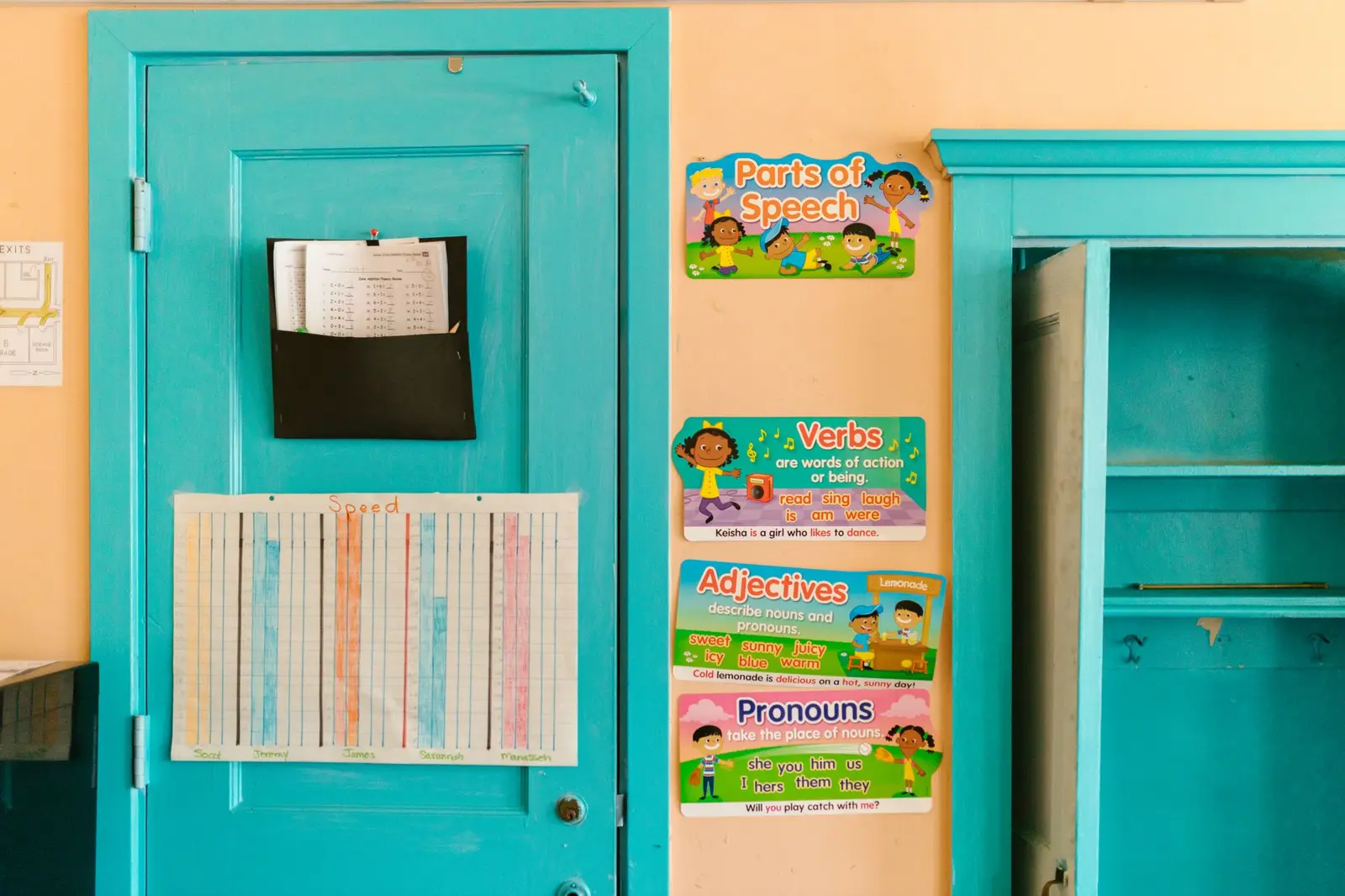
Layout, schedules, staffing and routines.
1 min read · For special education teachers

Assess, plan, do, review for autistic pupils.
1 min read · School age (England)

Describing needs and provision clearly, with pupil voice.
1 min read · For SENCOs (England)

Streamlined systems, templates and short reviews.
1 min read · For SENCOs (England)

A realistic week, the NPQ, and protecting your time.
1 min read · For SENCOs and teachers (England)

New levels of support, ISPs, EHCPs and the timeline.
2 min read · All ages (England)

Movement and calming breaks, and low-cost tools.
1 min read · Grades K to 6

Why noise and crowds feel like too much, and what helps.
2 min read · All ages

What it's for, low-cost equipment, and simple rules.
1 min read · School age

Types of apps, what to look for, and privacy questions.
1 min read · Pre-K to grade 6

Business setup, credentialing, hiring and tools.
1 min read · For BCBAs

What a DPA covers, the national agreement, and questions to ask.
1 min read · Districts and schools (US)

BACB minimums, a solid structure, and feedback that lands.
1 min read · For BCBAs and BCaBAs

Practical strategies that help every student.
1 min read · Grades K to 6

Which supports to use, and staying consistent with families.
1 min read · Ages 4 to 12

How to prepare, what to say, and keeping the partnership.
1 min read · Pre-K to grade 3

Why earlier helps, and simple words for each age.
2 min read · Ages 4 to 12

Who it's for, what it offers, and what it means for the NDIS.
2 min read · Ages 8 and under (Australia)

How token systems work, setup, and thinning.
1 min read · For RBTs and BCBAs

A short training plan, and checklists for consistency.
1 min read · For SENCOs and TAs

A short training plan with checklists and feedback.
1 min read · For special education teachers

One diagnosis, Asperger's history, and functioning labels.
2 min read · All ages

Schedules, first-then, choice and token boards in session.
2 min read · For RBTs and BCBAs

What to include, handling changes, and a free printable.
1 min read · Ages 3 to 12

Genes, development before birth, and the myths.
3 min read · All ages

Assessments, supervision, caregiver training and paperwork.
2 min read · For BCBAs and aspiring BCBAs

The SENCO's role, and what they can and can't do.
2 min read · School age (UK)

What BCBAs do, where they work, and how they're certified.
2 min read · For BCBAs and aspiring BCBAs
What an EHCP is, who needs one, and SEN support.
2 min read · 0 to 25 (England)

What RBTs do, who supervises them, and how to become one.
2 min read · For RBTs and aspiring RBTs

The science, the seven dimensions, and modern practice.
2 min read · For RBTs, students and new BCBAs
What autism is, what it isn't, and what to do next.
3 min read · All ages
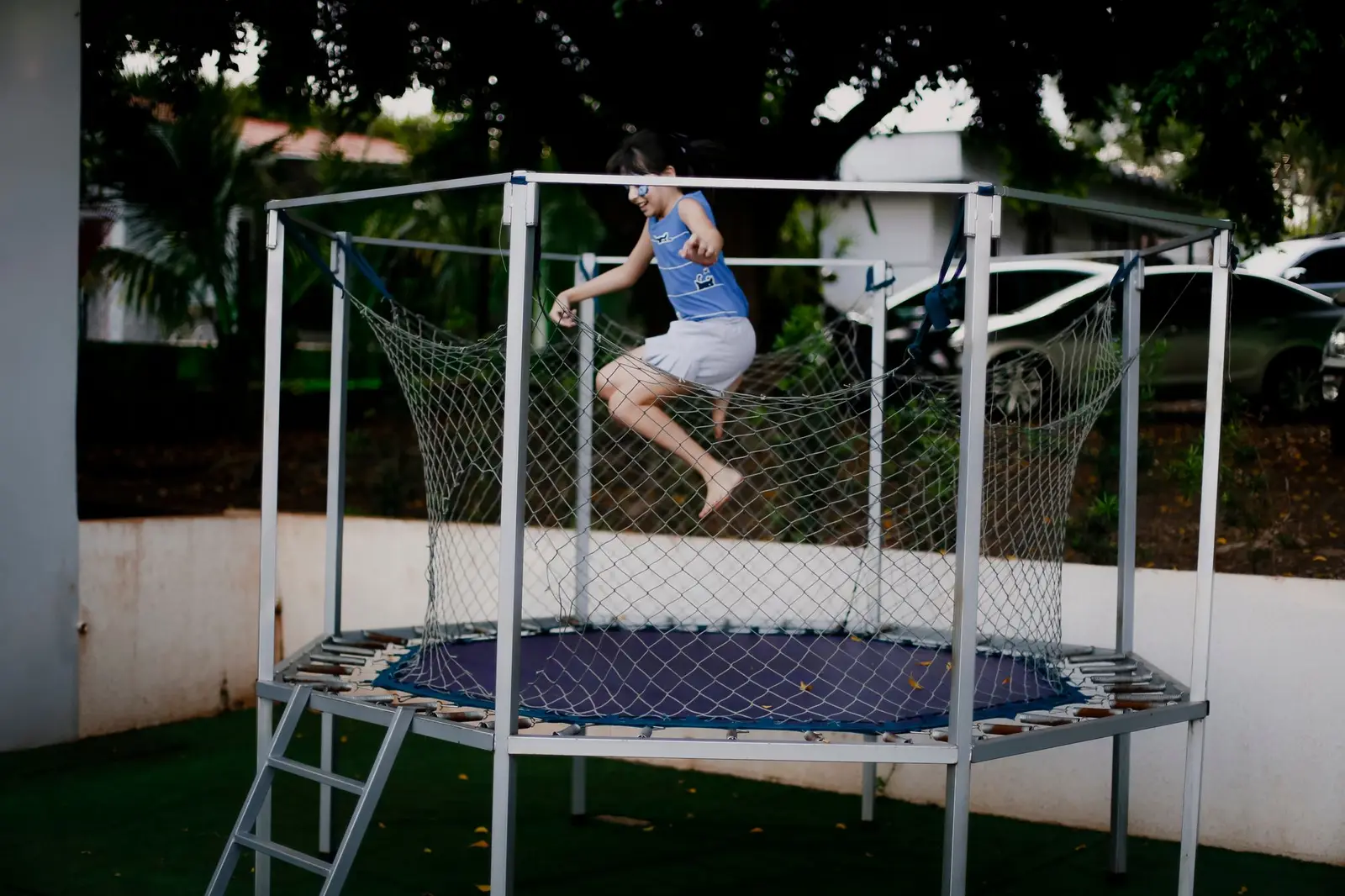
Why kids flap, rock or spin, and when to step in.
2 min read · All ages

What research says, and why AAC helps speech.
2 min read · Ages 1 to 9

The date, the history, and autism-friendly ways to join in.
2 min read · All ages

A simple structure, examples, and making goals meaningful.
1 min read · For BCBAs and trainees
Pictures for common steps, plus blank cards.
PDF · 2 pages
Photos you add once now work in every tool.
1 min read
Every guide is reviewed before it's published. Our editorial policy.