Skip to content
the autism kit
Guide

How do I write a social story? (with a free template)

What social stories and social narratives are, how to write one step by step, an example, and how to use it.

By The Autism Kit teamUpdated Sep 27, 2026 · 2 min read
Listen to this articleAbout 2 min
Read aloud · speed
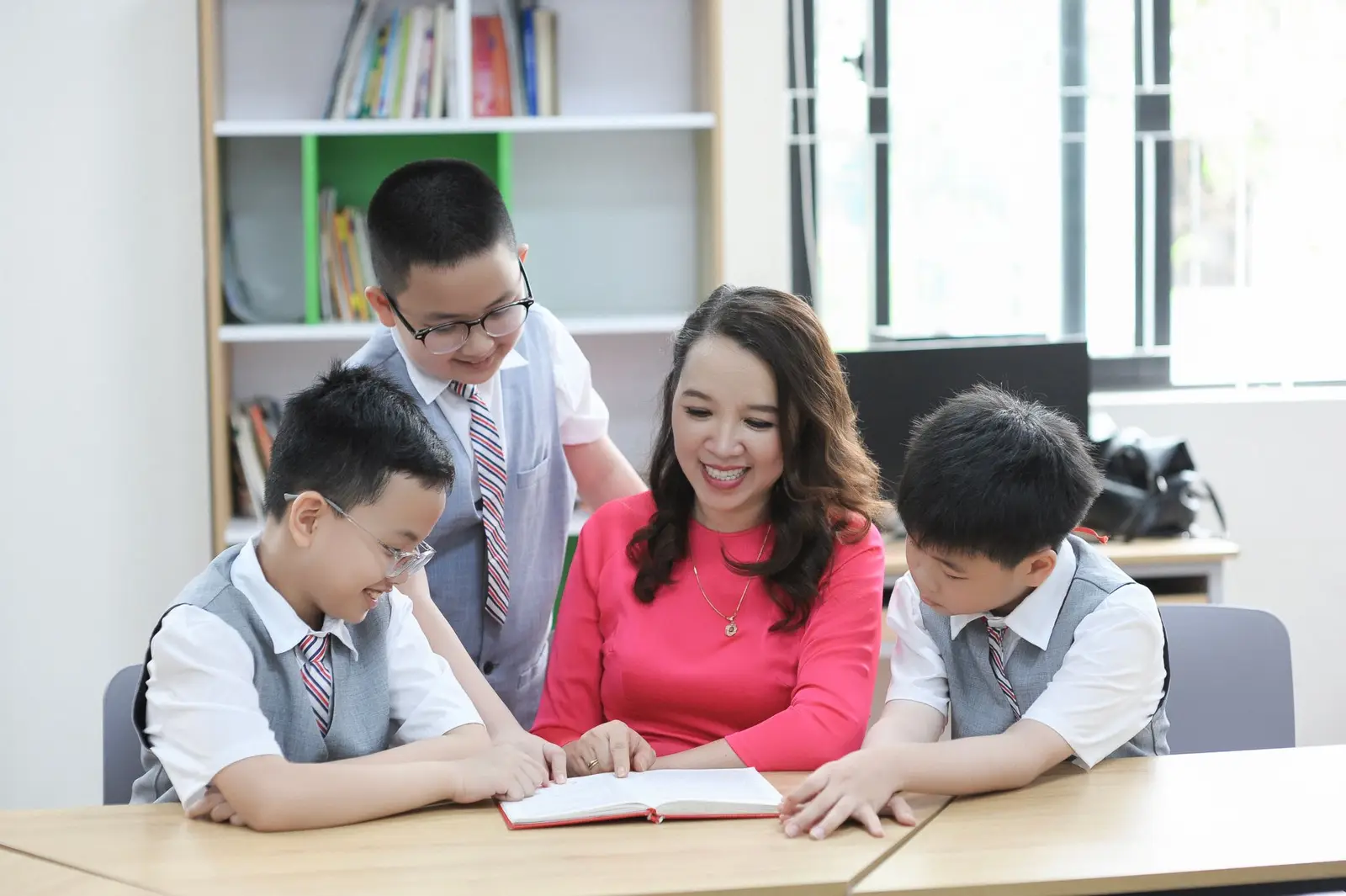
A teacher reading a book with three young students at a classroom table
Photo: Thang Nguyen on Pexels
The short answer

A social story is a short, personalised story that describes a situation, what happens and why, from the child's point of view, to help them understand and prepare. Carol Gray developed Social Stories in the early 1990s; many educators use the broader term 'social narratives'. Mostly describe, keep it positive and literal, add pictures, and read it together before the event.

Key takeaways
  • A social story describes a situation from the child's point of view.
  • Mostly describe, with only one or two suggestions.
  • Keep it short, positive and literal, with pictures.
  • Read it together before the event, when calm.

What is a social story?

A short story that explains a situation, like a fire drill, a haircut or a new classroom, in a way the child can understand. Carol Gray developed Social Stories in the early 1990s and publishes guidance on writing them.1 Social narratives are among the evidence-based practices identified for autistic children.2

How do I write one?

  1. Pick one situation and find out what's hard about it.
  2. Write from the child's view, using "I" and words they use.
  3. Describe: where, when, what happens, who is there.
  4. Explain why, and how others might feel.
  5. Add one or two gentle suggestions: "I can try to..."
  6. Keep it positive and literal, and add pictures or photos.

What does an example look like?

Fire drills at school

Sometimes at school we have a fire drill. A loud bell rings.

The bell helps everyone practise leaving the building safely.

When I hear the bell, my teacher shows me where to walk. I can wear my headphones if the bell feels too loud.

We wait outside with my class. Then we go back inside. The fire drill is finished.

How do I use it?

Try
  • Reading it a few times before the event
  • Reading it when the child is calm
  • Sending a copy home
Skip
  • Reading it during a meltdown
  • Using it as a list of rules
  • Vague words like 'sometimes things change'
Free printable: social narrative templatePDF · 1 page · a simple story to prepare for a new or hard situation
Download Free printable: social narrative template

What can I write this week?

0 of 3 done

Read next: How do I help autistic students with fire drills and assemblies?

Common questions

Social Stories is Carol Gray's specific approach, with defined criteria. Social narratives is a broader term for short stories that describe situations. Both aim to help children understand what happens and why.

Sources

  1. Carol Gray Social Stories. carolgraysocialstories.com
  2. National Clearinghouse on Autism Evidence and Practice: Research and resources (social narratives). ncaep.fpg.unc.edu

This guide shares general information and our team's perspective, based on the sources above. Rules and services differ by country, region and school, so always check your local guidance and your organisation's policies. How we write our guides.

Was this guide helpful?
Share this guide with someone who'd find it useful
Listen

One small, useful tip a week

Practical ideas built on evidence-based practices, plus a free printable to start. Unsubscribe anytime.

We never sell or share your email.