Skip to content
the autism kit
Guide

What apps help autistic kids? A guide by need

Apps for routines, communication, social stories, reading and speech practice, and how to keep screen time helpful.

By The Autism Kit teamUpdated Sep 29, 2026 · 1 min read
Listen to this articleAbout 1 min
Read aloud · speed
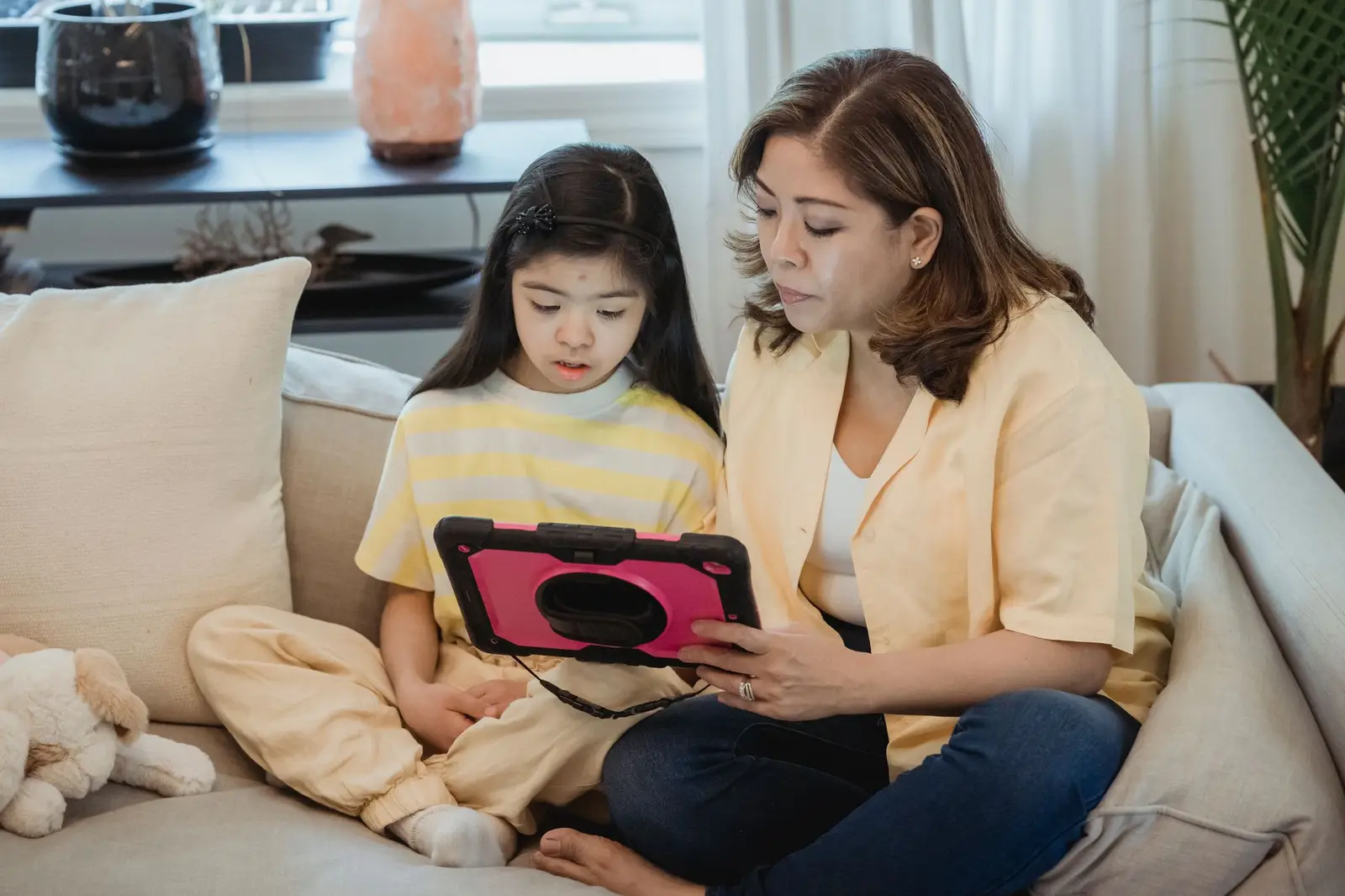
A young girl sitting on a sofa using a tablet
Photo: Andrea Piacquadio on Pexels
The short answer

The most useful apps for autistic kids are tools, not games: visual schedule and first-then apps for routines, AAC apps for communication, social story apps for new situations, and some reading and speech practice apps. Choose by your child's need, ask their speech therapist before choosing an AAC app, and keep tool apps separate from play so the tablet isn't only for entertainment.

Key takeaways
  • The most useful apps are tools, not games.
  • Choose by need: routines, communication, stories, reading, speech.
  • Ask a speech therapist before choosing an AAC app.
  • Keep tool apps separate from play.

Which apps fit which need?

Apps by need (US App Store, checked September 2026)
NeedExamplesPrice to download
Routines and transitionsThe Autism Kit (First and Then Visual Schedule), Choiceworks, First-ThenFree with subscription; $39.99; free
Communication (AAC)Proloquo2Go, TouchChat HD, LAMP Words For Life, Avaz AAC, CoughDrop$249.99; $299.99; $299.99; free; free
Social storiesSocial Story Creator & LibraryFree
Early readingEndless ReaderFree
Speech practiceSpeech BlubsFree

Visual supports and AAC both help many autistic children.12 AAC apps like Proloquo2Go are full communication systems, and are usually chosen with a speech-language pathologist.3

How do I keep apps helpful?

Try
  • One app per job
  • Your child's own photos
  • Communication apps always available
  • Trying free versions first
Skip
  • Apps full of ads
  • Taking away an AAC device as a consequence
  • Downloading lots of apps at once
Free printable: starter packPDF · 3 pages · morning schedule, first-then board and 5-star token chart
Download Free printable: starter pack

What can I try this week?

0 of 3 done

Common questions

Many families keep a communication device or app available at all times and separate from games, so it's always there when needed.

Sources

  1. American Speech-Language-Hearing Association: Augmentative and alternative communication. asha.org
  2. AFIRM (UNC Frank Porter Graham): Visual supports evidence-based practice brief. afirm.fpg.unc.edu
  3. Apple App Store: Proloquo2Go AAC (AssistiveWare). apps.apple.com

This guide shares general information and our team's perspective, based on the sources above. Every child is different, so please talk with your child's doctor or care team about what's right for your family. How we write our guides.

Was this guide helpful?
Share this guide with someone who'd find it useful
Listen

One small, useful tip a week

Practical ideas built on evidence-based practices, plus a free printable to start. Unsubscribe anytime.

We never sell or share your email.