Skip to content
the autism kit
Guide

How do I get an NHS autism assessment for my child?

The referral routes, what the NICE guideline says should happen, and what the assessment involves.

By The Autism Kit teamUpdated Sep 27, 2026 · 2 min read
Listen to this articleAbout 2 min
Read aloud · speed
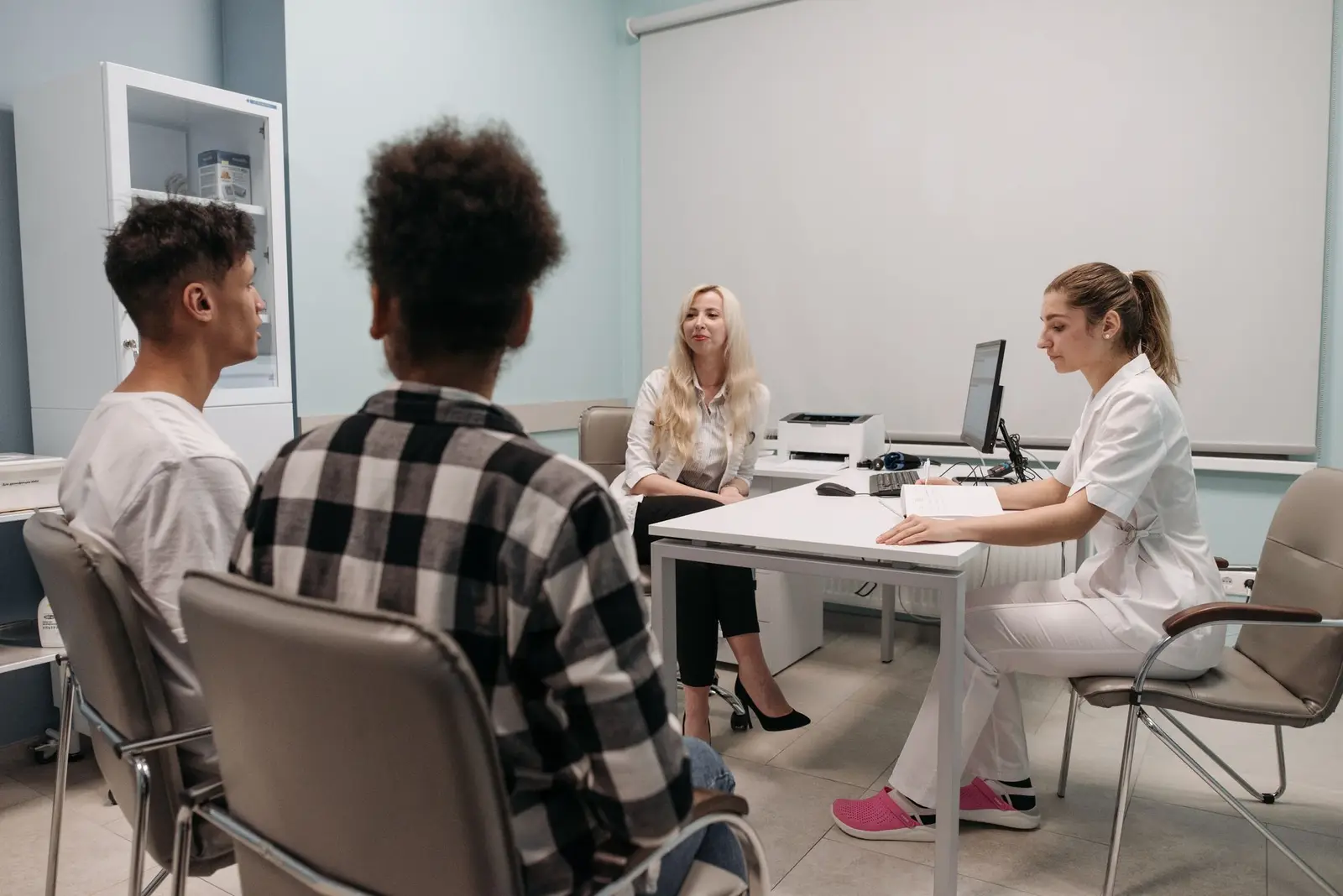
A family sitting with two clinicians at a desk in a bright clinic room
Photo: Pavel Danilyuk on Pexels
The short answer

Start by talking to your GP, health visitor or your child's school or nursery (often through the SENCO). They can refer your child to the local autism assessment service, sometimes called the autism pathway, usually run by community paediatrics or CAMHS. NICE guidance says the diagnostic assessment should start within 3 months of referral, though waits are often much longer.

Key takeaways
  • Talk to your GP, health visitor or your child's school or nursery.
  • They can refer to the local autism assessment service.
  • NICE says assessment should start within 3 months of referral.
  • You don't need a diagnosis for support at school.

How do I get a referral?

The NHS says you can ask your GP, health visitor, or your child's school or nursery for an autism assessment referral.1 Bring specific examples of what you've noticed at home and elsewhere.

Who carries out the assessment?

Each area should have a multidisciplinary autism team, often including a paediatrician or child psychiatrist, a speech and language therapist and a clinical or educational psychologist. A case coordinator should be named for every child.2

How long should it take?

NICE recommends that the autism diagnostic assessment starts within 3 months of the referral to the autism team.23 In reality, many families wait much longer. See How long is the NHS autism waiting list?

What happens during the assessment?

Usually some combination of:

  • A detailed conversation with you about development and daily life
  • Observing your child, sometimes using structured activities
  • Information from school or nursery
  • Checks for other conditions, like hearing or learning difficulties

At the end, the team explains whether your child meets the criteria for autism, and what support might help.

Free printable: appointment notesPDF · 2 pages · what you've noticed, plus questions to ask
Download Free printable: appointment notes

What can I do this week?

0 of 3 done

Read next: What is an EHCP?

Common questions

In many areas, yes. Schools, often through the SENCO, can refer or support a referral. Routes vary by local area, so ask your GP or school how it works where you live.

Sources

  1. NHS: How to get diagnosed with autism. nhs.uk
  2. NICE: Autism spectrum disorder in under 19s, recognition, referral and diagnosis (CG128). nice.org.uk
  3. NICE: Autism quality standard (QS51), statement 1, diagnostic assessment by an autism team. nice.org.uk

This guide shares general information and our team's perspective, based on the sources above. Every child is different, so please talk with your child's doctor or care team about what's right for your family. How we write our guides.

Was this guide helpful?
Share this guide with someone who'd find it useful
Listen

One small, useful tip a week

Practical ideas built on evidence-based practices, plus a free printable to start. Unsubscribe anytime.

We never sell or share your email.