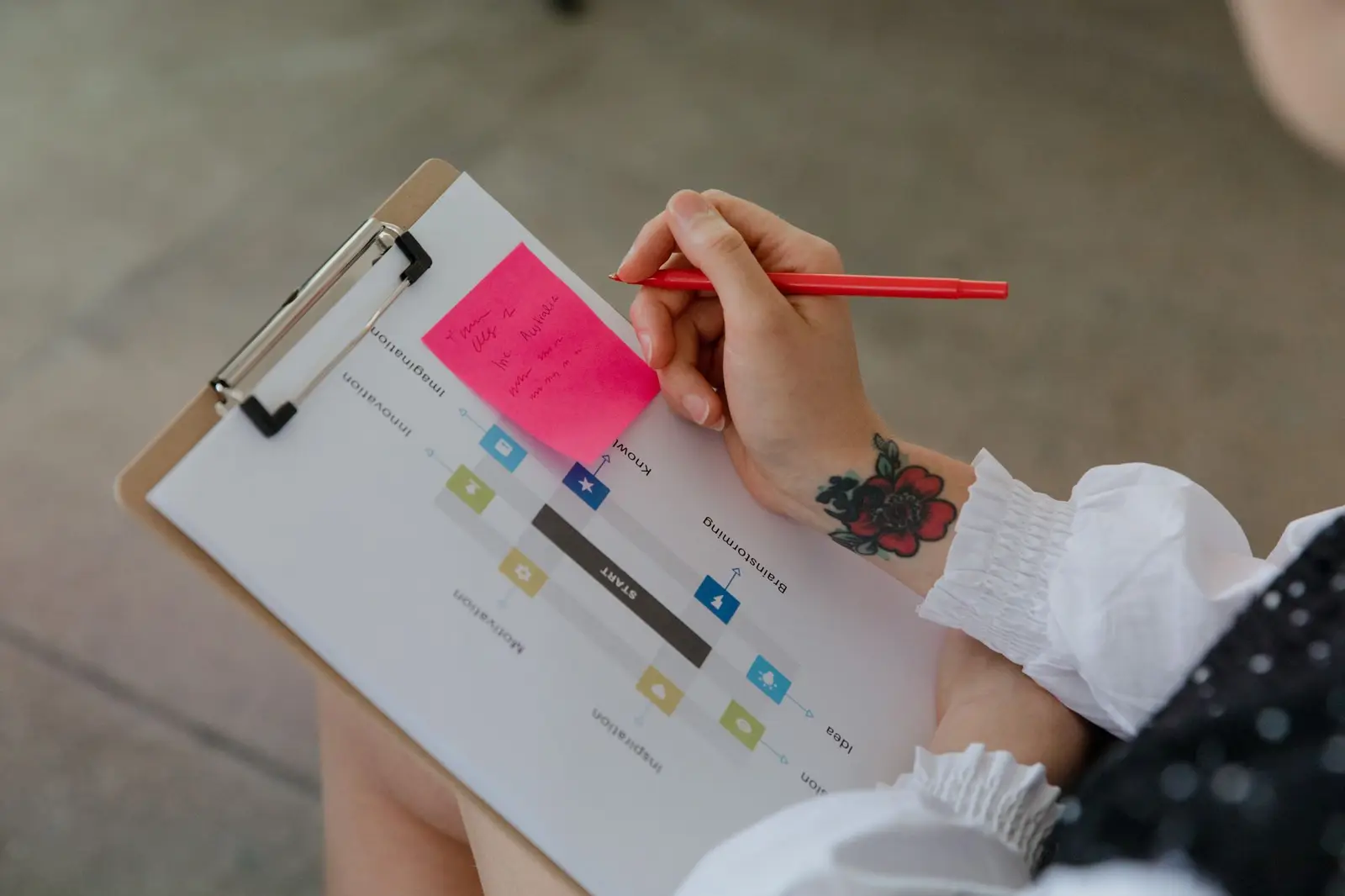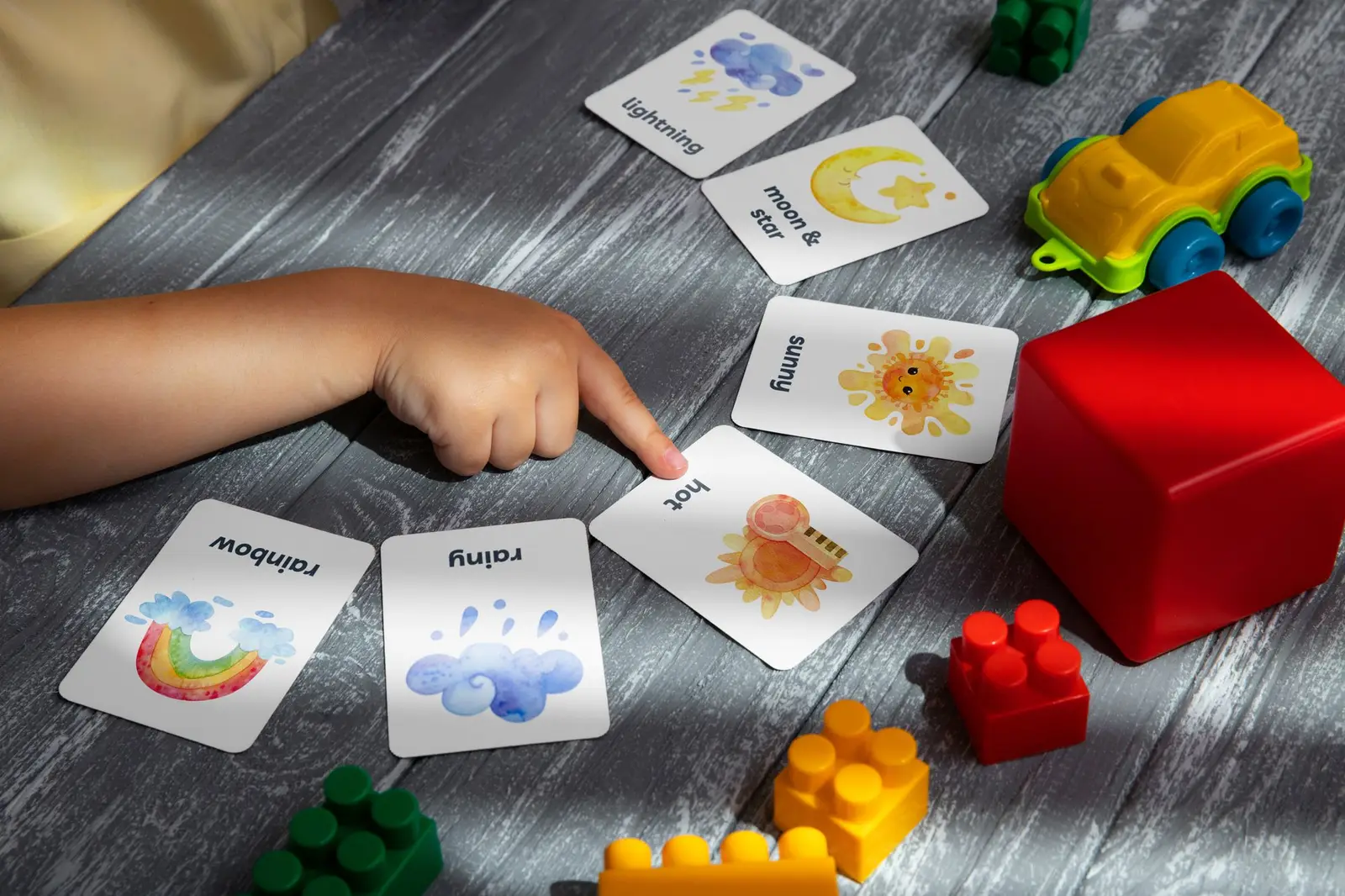
- Visual supports are an evidence-based practice across ages.
- Core tools: visual schedules, first-then, choice and token boards.
- They work as antecedent strategies and support communication.
- Use the same supports at home, and fade only when it serves the learner.
What does the evidence say?
The National Clearinghouse on Autism Evidence and Practice (NCAEP) identified visual supports as an evidence-based practice in its 2020 review, with effective outcomes from early intervention through young adulthood.2 The AFIRM brief summarizes outcomes including communication, behavior, adaptive, social and school-readiness skills.1
Which visual supports help most in session?
| Support | Use it for |
|---|---|
| Visual schedule | Predictable sessions and routines; activity schedules |
| First-then board | Transitions and non-preferred tasks |
| Choice board | Choosing reinforcers and activities; building requests |
| Token board | Showing progress toward reinforcement |
| Break card | A clear way to request a break (supports assent) |
Antecedent interventions, including activity schedules, are part of the RBT 2026 training curriculum.3
How do I build them into plans?
- Add supports to the prevention section of behavior plans. See How do I write a behavior intervention plan?
- Write goals that use them, like completing a routine with a schedule.
- Train caregivers on the same supports for home.
Try
- Real photos of the learner's own items
- The same supports in clinic, home and school
- Teaching the learner to use supports independently
Skip
- Different pictures in every setting
- Supports only staff can operate
- Removing supports suddenly
What can I do this week?
0 of 3 done
For parents: How do I use a visual schedule for my child's morning?