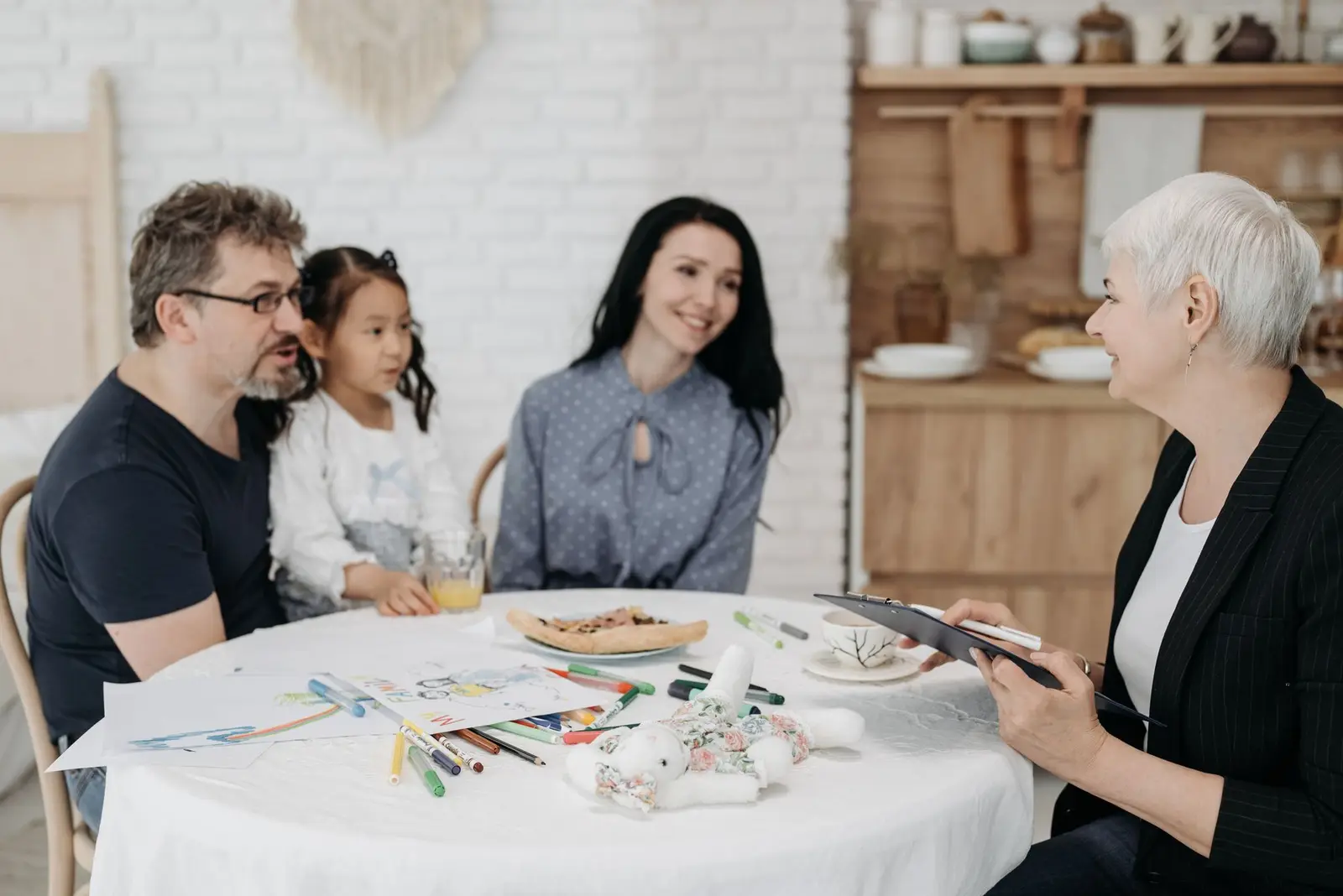
- Caregiver training supports generalization and maintenance.
- Use behavioral skills training: explain, model, practice, feedback.
- Start with one real routine and the same materials as in therapy.
- Document methods used and caregiver performance.
Why does caregiver training matter?
Families are with their child far more than any therapist. The NIH lists parent-mediated approaches among autism supports.2 When caregivers use the same strategies at home, skills are more likely to carry over and last.
What does a good session look like?
Behavioral skills training works for caregivers as well as staff:1
- Explain the strategy and why it helps, in plain language
- Model it with the child
- Caregiver practices with the child
- Feedback: specific praise, one small adjustment
- Plan the week: one routine, a few minutes a day
| Step | What you do |
|---|---|
| Explain | Why pictures help the child know what's next |
| Model | Walk through getting dressed with the schedule |
| Practice | Caregiver runs the routine while you observe |
| Feedback | "Pointing to the next picture was perfect. Try waiting 5 seconds before helping." |
| Plan | Use it every school day this week |
How do I make home practice realistic?
Try
- One routine at a time
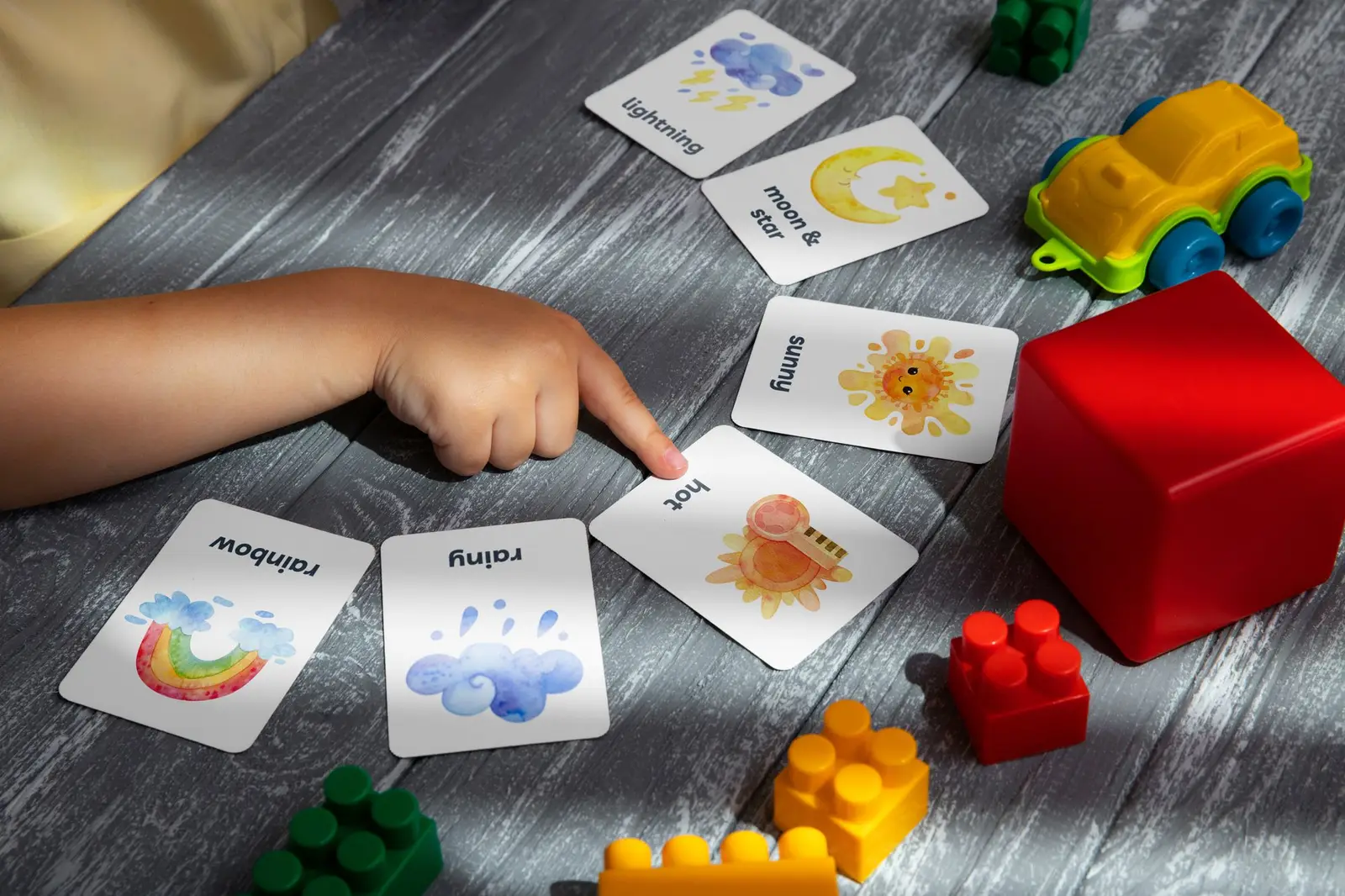
- The same visual supports at home and in session
- Asking what's hardest in the family's day
- Celebrating small wins
Skip
- Long handouts with many strategies
- Materials families have to make from scratch
- Jargon
How do billing codes fit?
Caregiver training is usually reported with the family treatment guidance codes, and descriptors are being revised in the code set that takes effect January 1, 2027.3 See What are the ABA CPT codes?
What can I do this week?
0 of 3 done