Skip to content
the autism kit
Guide

What adjustments must schools make under the Disability Standards for Education?

What the Standards require, what consultation means, examples of adjustments for autistic students, and the 2025 review.

By The Autism Kit teamUpdated Sep 27, 2026 · 1 min read
Listen to this articleAbout 1 min
Read aloud · speed
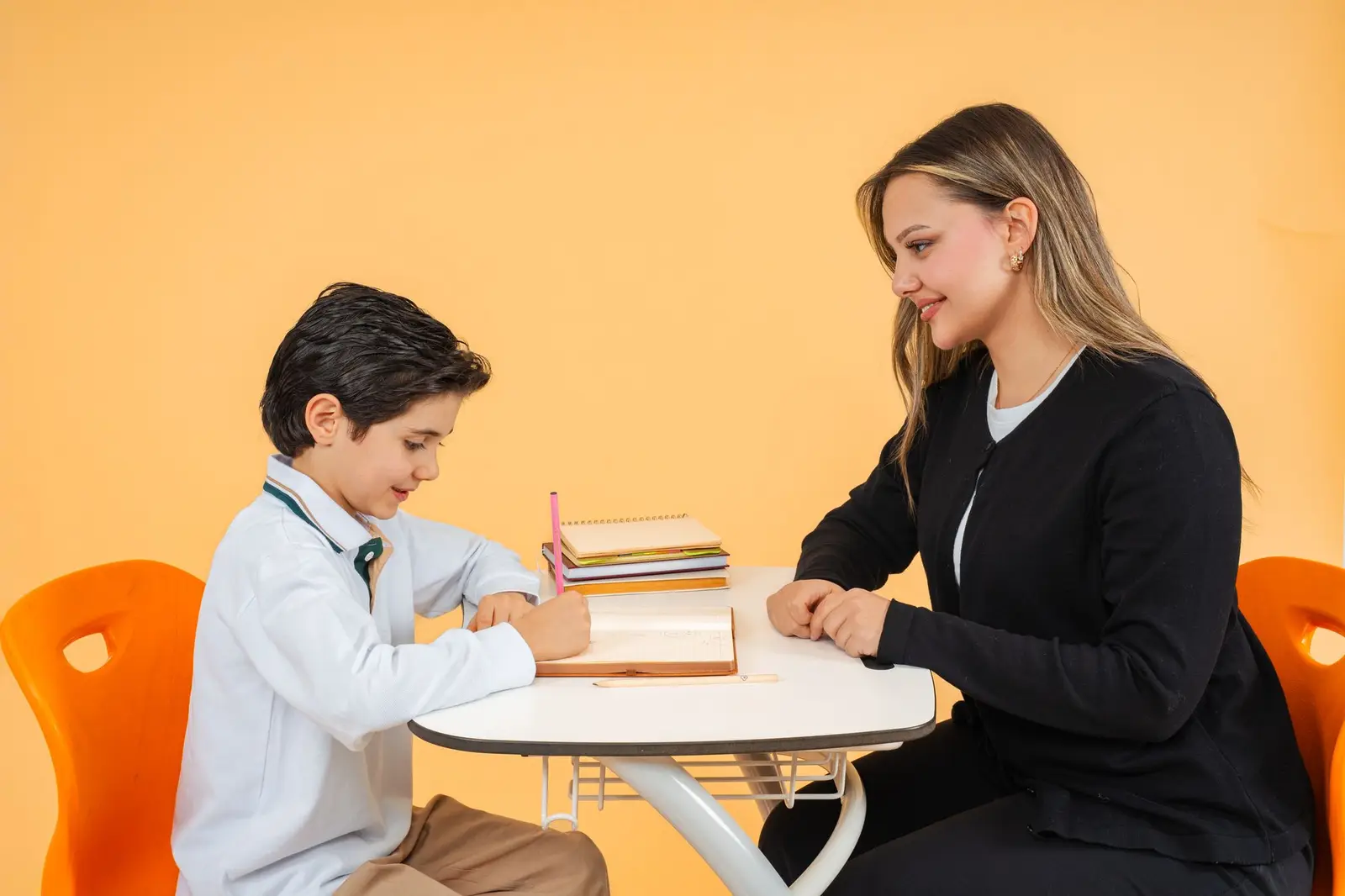
A teacher leaning over to help a student with her work at a classroom desk
Photo: Yan Krukau on Pexels
The short answer

The Disability Standards for Education 2005 explain schools' obligations under the Disability Discrimination Act. Schools must make reasonable adjustments so students with disability, including autistic students, can take part in education on the same basis as other students, and must consult the student and their family. Adjustments for autistic students often include visual timetables, predictable routines, breaks and sensory changes.

Key takeaways
  • The Standards explain obligations under the Disability Discrimination Act.
  • Schools must make reasonable adjustments so students can take part on the same basis as others.
  • Schools must consult students and families.
  • The Standards are reviewed every 5 years, including a 2025 review.

What do the Standards require?

The Disability Standards for Education 2005 clarify the obligations of education providers under the Disability Discrimination Act 1992. They aim to ensure students with disability can access and participate in education on the same basis as students without disability.12

What is a reasonable adjustment?

An adjustment is a measure or action that helps a student with disability take part in education. It's "reasonable" when it balances the interests of everyone affected, including the student.3

What do adjustments look like for autistic students?

Examples of adjustments
AreaExamples
PredictabilityVisual timetable, warnings before changes, social narratives for new events
CommunicationVisual instructions, extra processing time, alternative ways to answer
SensoryHeadphones, a quiet space, seating away from noise
ParticipationPlanned breaks, adjusted group work, choice of activities
AssessmentExtra time, a separate room, clear written instructions

What does consultation involve?

Schools must consult the student and their family about adjustments, before making them and regularly after that.3 Good consultation is two-way: families share what works at home, and the school explains what it can do.

Free printable: classroom packPDF · 8 pages · timetable, now and next, token board, calm corner, breaks, transitions, story and profile
Download Free printable: classroom pack

What can I do this week?

0 of 3 done

Read next: How do I write an individual learning plan for an autistic student?
Common questions

Schools should respond to a student's needs. Many adjustments can be made based on what teachers and families observe, without waiting for a formal diagnosis.

Sources

  1. Australian Government Department of Education: Disability Standards for Education 2005. education.gov.au
  2. Federal Register of Legislation: Disability Standards for Education 2005. legislation.gov.au
  3. inclusionED: The Disability Standards for Education II, making reasonable adjustments. inclusioned.edu.au

This guide shares general information and our team's perspective, based on the sources above. Rules and services differ by country, region and school, so always check your local guidance and your organisation's policies. How we write our guides.

Was this guide helpful?
Share this guide with someone who'd find it useful
Listen

One small, useful tip a week

Practical ideas built on evidence-based practices, plus a free printable to start. Unsubscribe anytime.

We never sell or share your email.