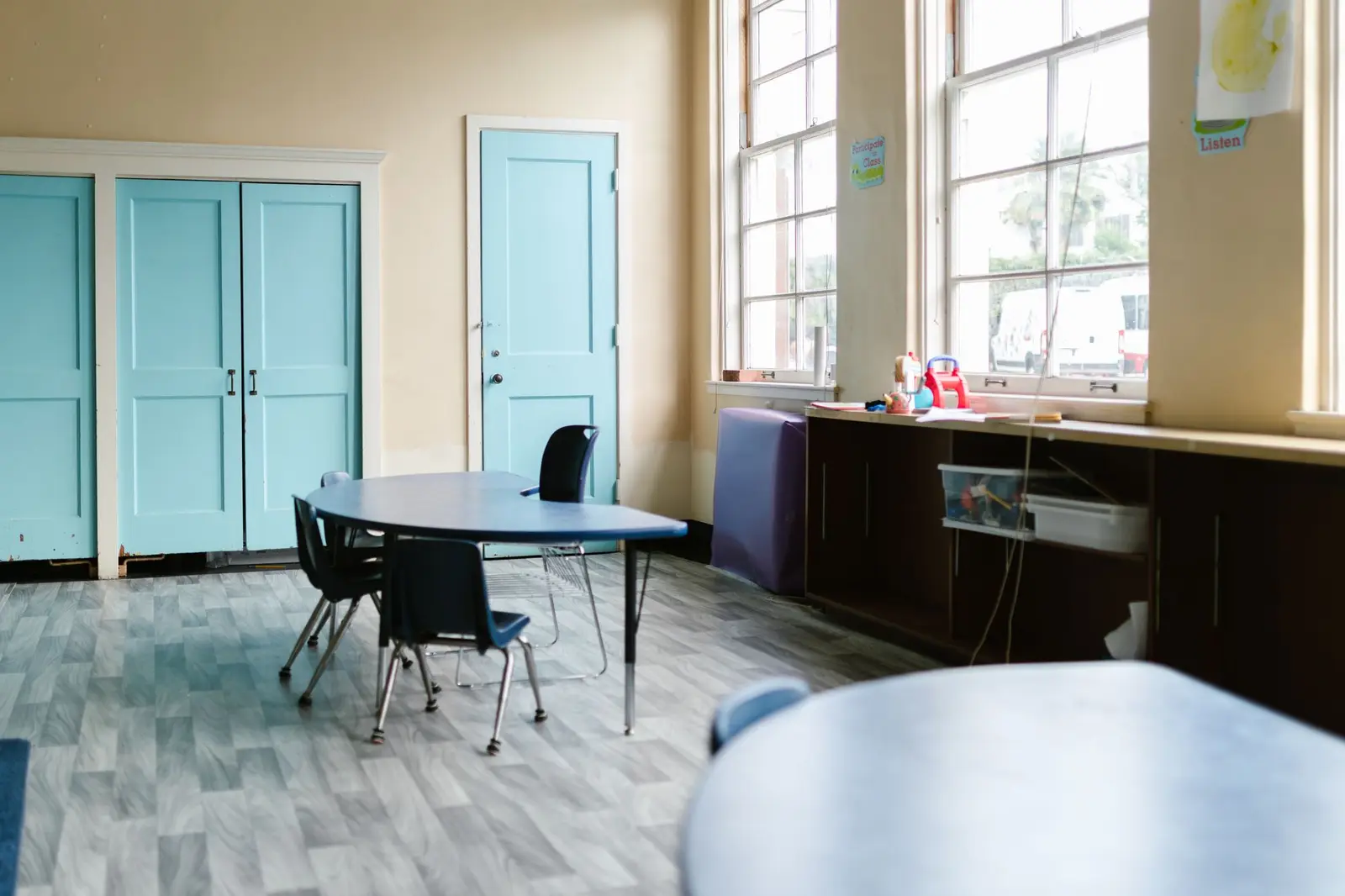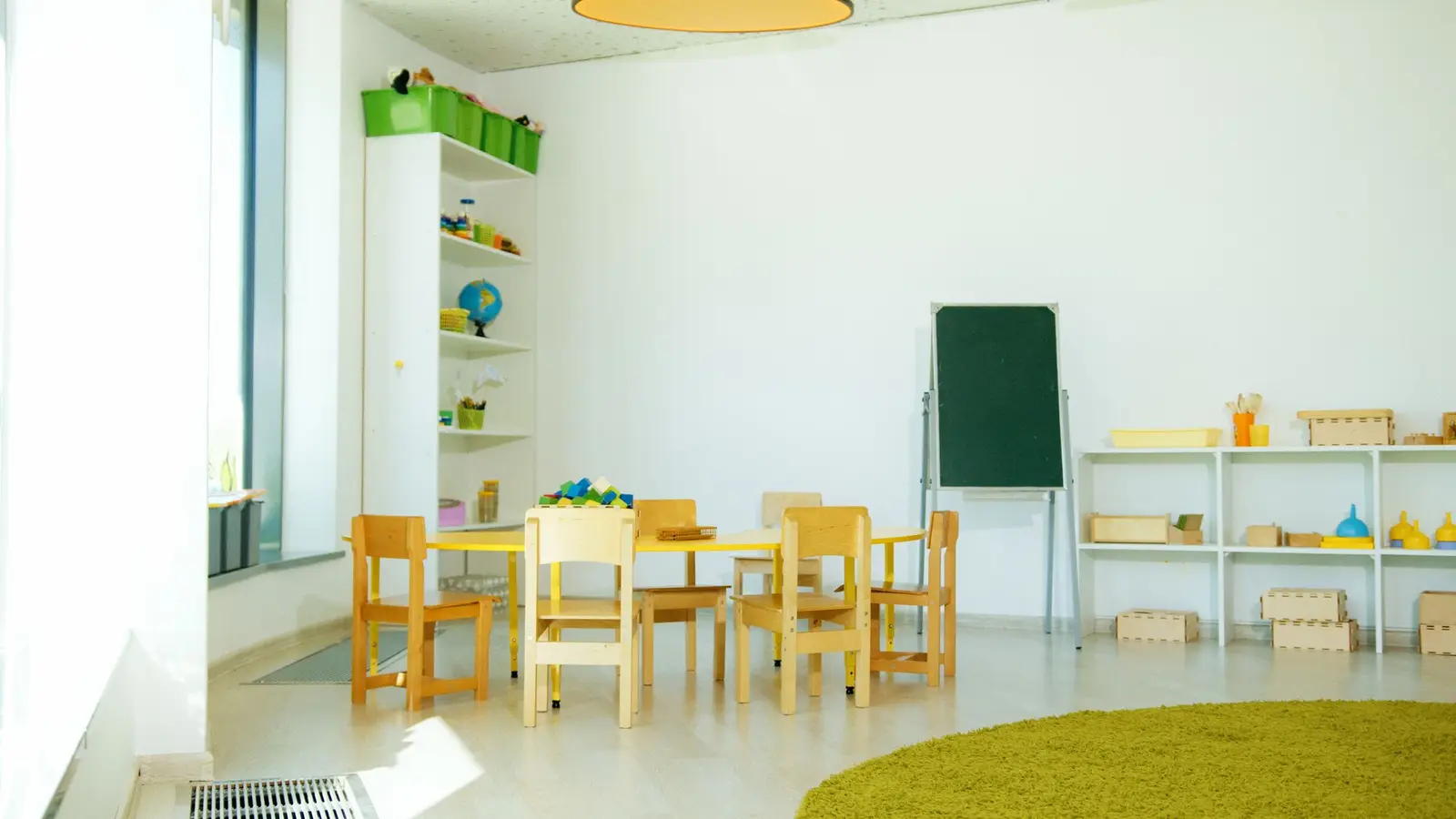
- Check sound, light, smell, touch, movement and visual busyness.
- Walk the room at different times of day.
- Ask pupils what's hard.
- Make small, low-cost changes, then review.
Why do a sensory audit?
Differences in how people respond to sensory input are part of autism.2 A room that feels fine to most people can be overwhelming for some pupils, making it harder to learn. Many schools use resources from the Autism Education Trust to review their environment.1
What should I check?
| Sense | Look for | Quick fixes |
|---|---|---|
| Sound | Chair scraping, hand dryers, corridor noise, humming lights | Chair feet, a rug, closing doors, headphones |
| Light | Flickering or bright lights, glare on boards | Turn off a bank of lights, blinds, seating away from glare |
| Visual | Busy displays, clutter | Plain backgrounds near the board, fewer displays |
| Smell | Canteen smells, strong cleaning products | Ventilation, seating choices |
| Touch | Crowded carpet time, scratchy materials | Personal spots, a cushion, space around desks |
| Movement | Crowded walkways, long sitting | Clear routes, movement breaks |
How do I involve pupils?
- Ask what feels too loud, bright or crowded
- Use pictures or a scale for pupils who prefer not to talk
- Ask where they feel calmest in school
What should I avoid?
Try
- Small changes first, then reviewing
- Offering choices of where to sit
- A calm corner everyone can use
Skip
- Changing everything at once
- Assuming what bothers one pupil bothers all
Free printable: sensory break cardsPDF · 1 page · cards a pupil can show to ask for a break
Download Free printable: sensory break cardsWhat can I do this week?
0 of 3 done