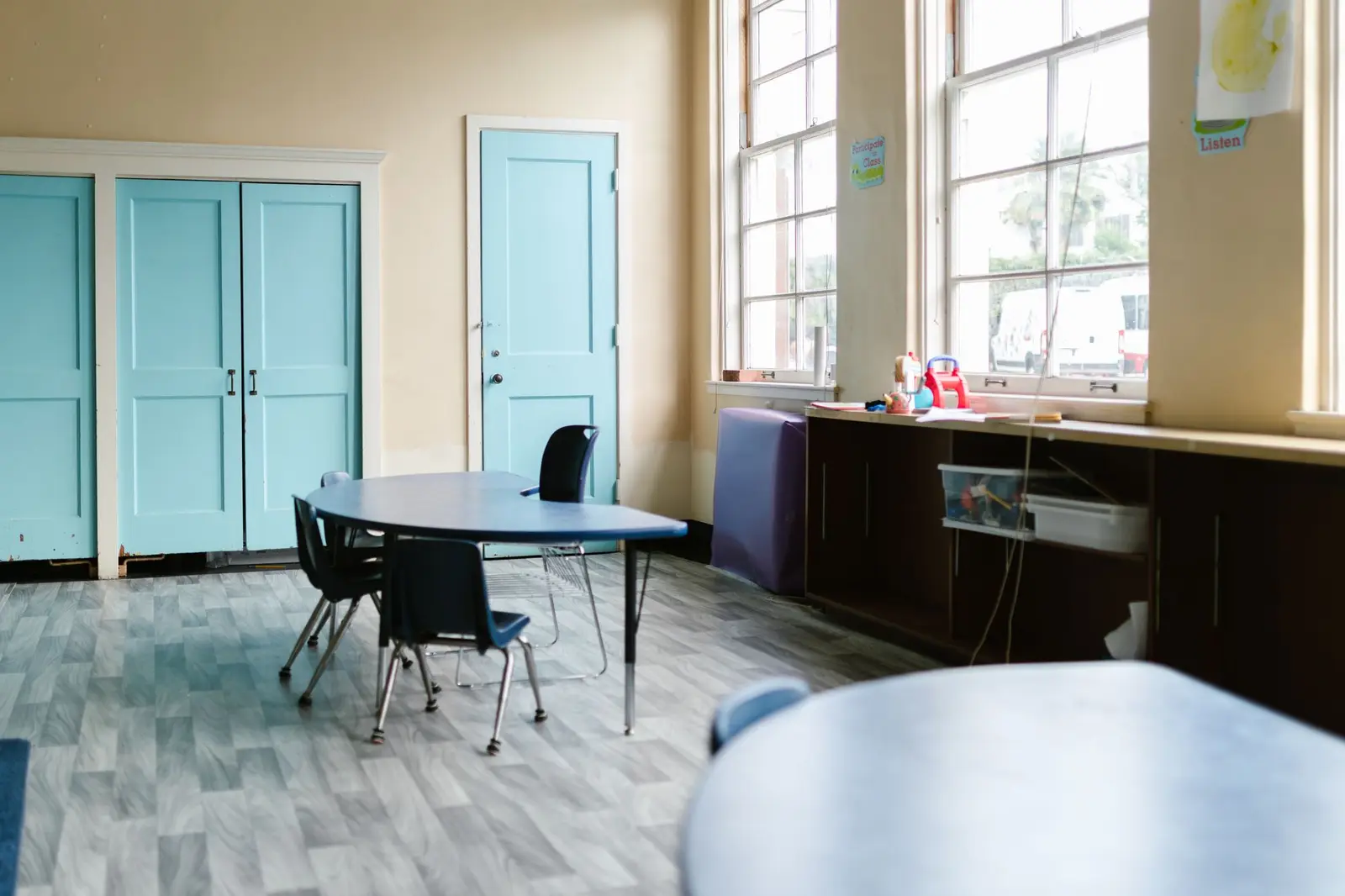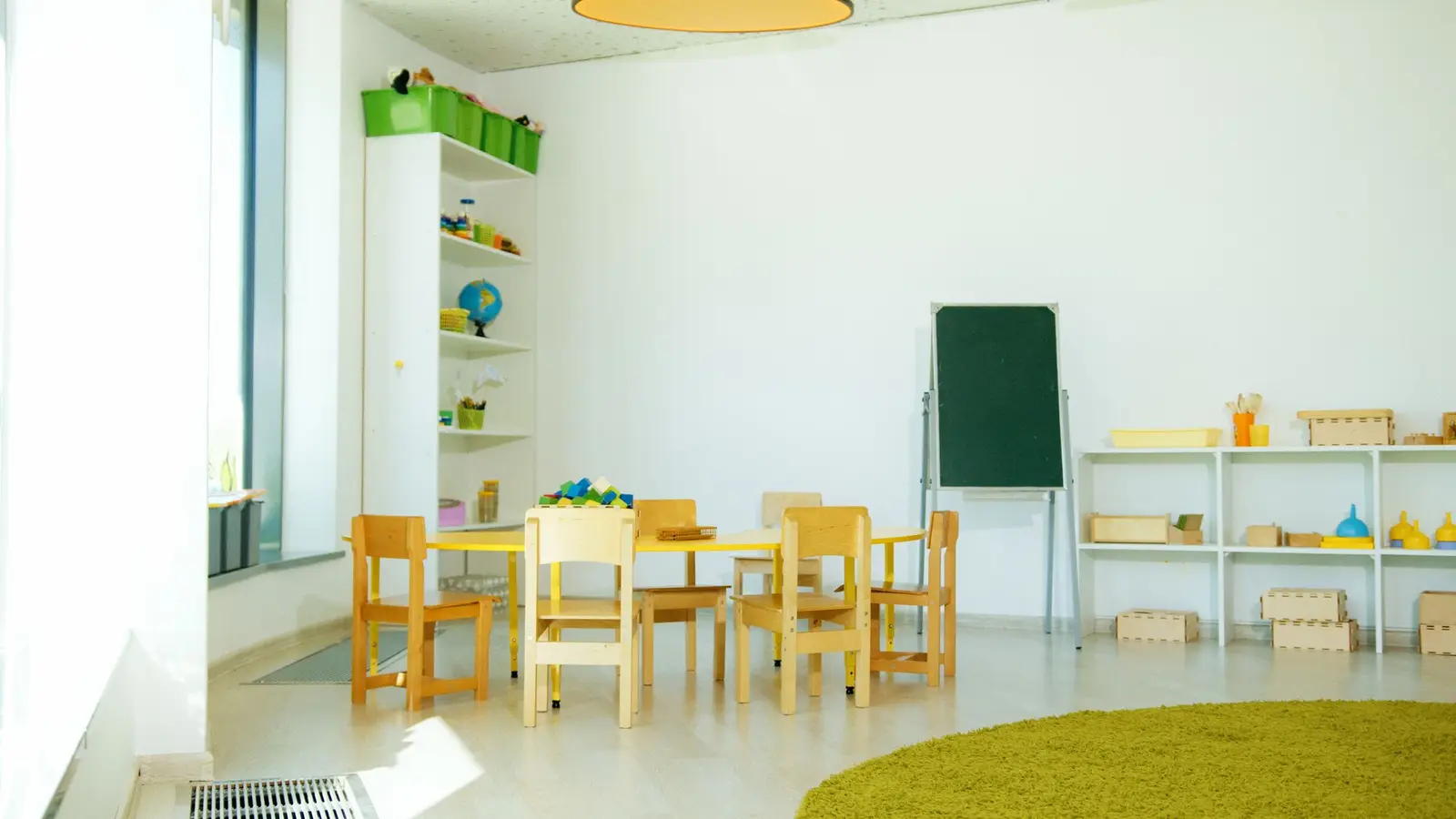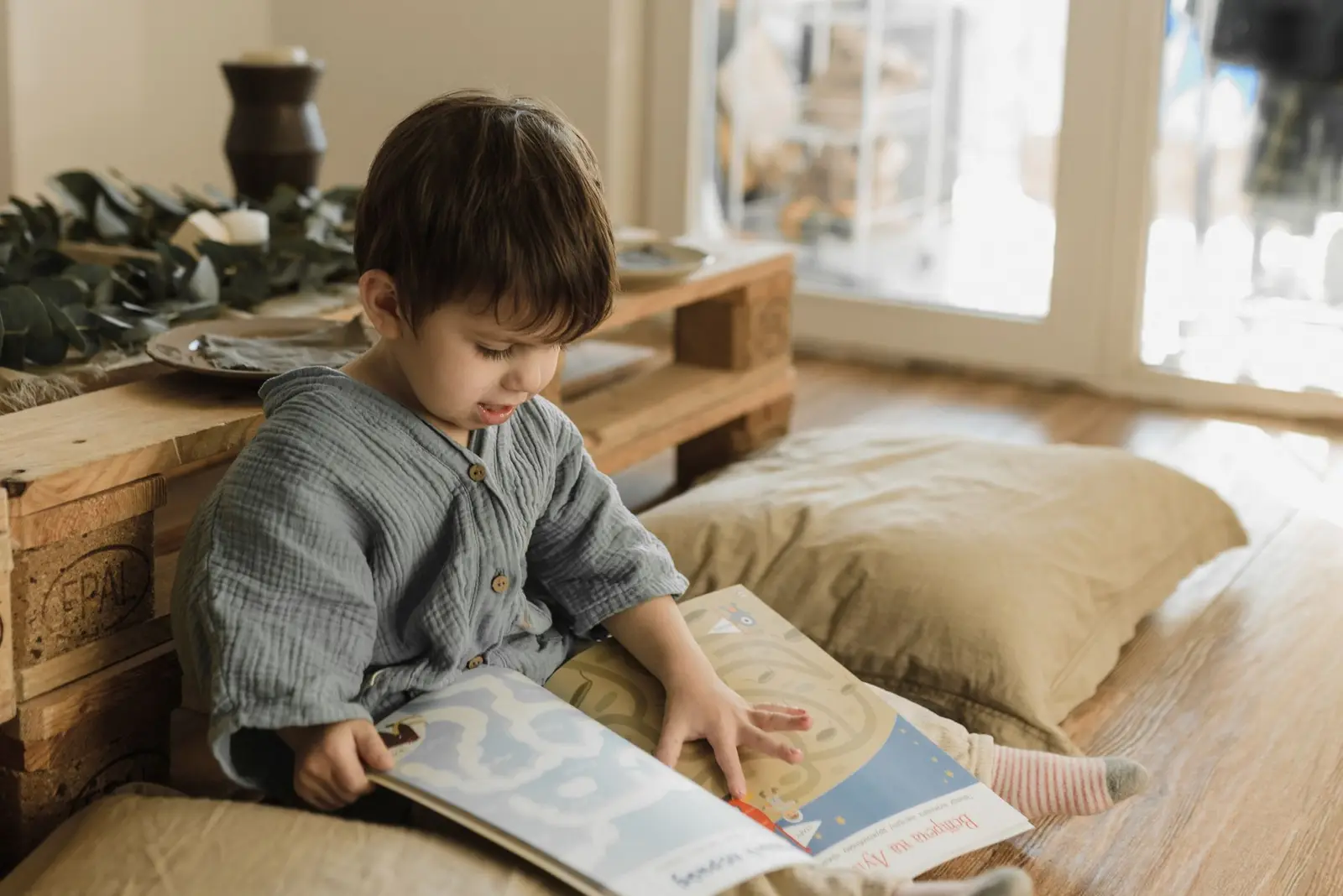
- A calm corner is for regulating, then returning.
- Keep it simple: soft seating, headphones, fidgets, a calm card.
- Teach it when calm, and offer it as a choice.
- Use a timer and a clear next step.
What should go in a calm corner?
| Item | Why |
|---|---|
| Soft seat or cushion | Comfort and a clear spot |
| Noise-reducing headphones | Lower sound |
| Fidgets | Something for hands |
| Calm card | Visual choices of what to do |
| Visual timer | Shows when it's time to return |
| Picture of 'next' | Makes returning predictable |
How do I teach it?
- Introduce it to the whole class on a calm day.
- Model going, using a tool, setting the timer and returning.
- Practice with students in turns.
- Prompt it early: offer the calm corner before things escalate.
Visual supports make the routine clear and predictable.1
What rules keep it helpful?
Try
- A choice, not a consequence
- One student at a time, or a clear limit
- A quick, warm welcome back
Skip
- Sending students there as punishment
- Too many toys that become distracting
- No way to see when time is up
Free printable: calm corner cardPDF · 1 page · choices for the calm corner
Download Free printable: calm corner cardWhat can I set up this week?
0 of 3 done
Read next: What should I do when an autistic student has a meltdown at school?