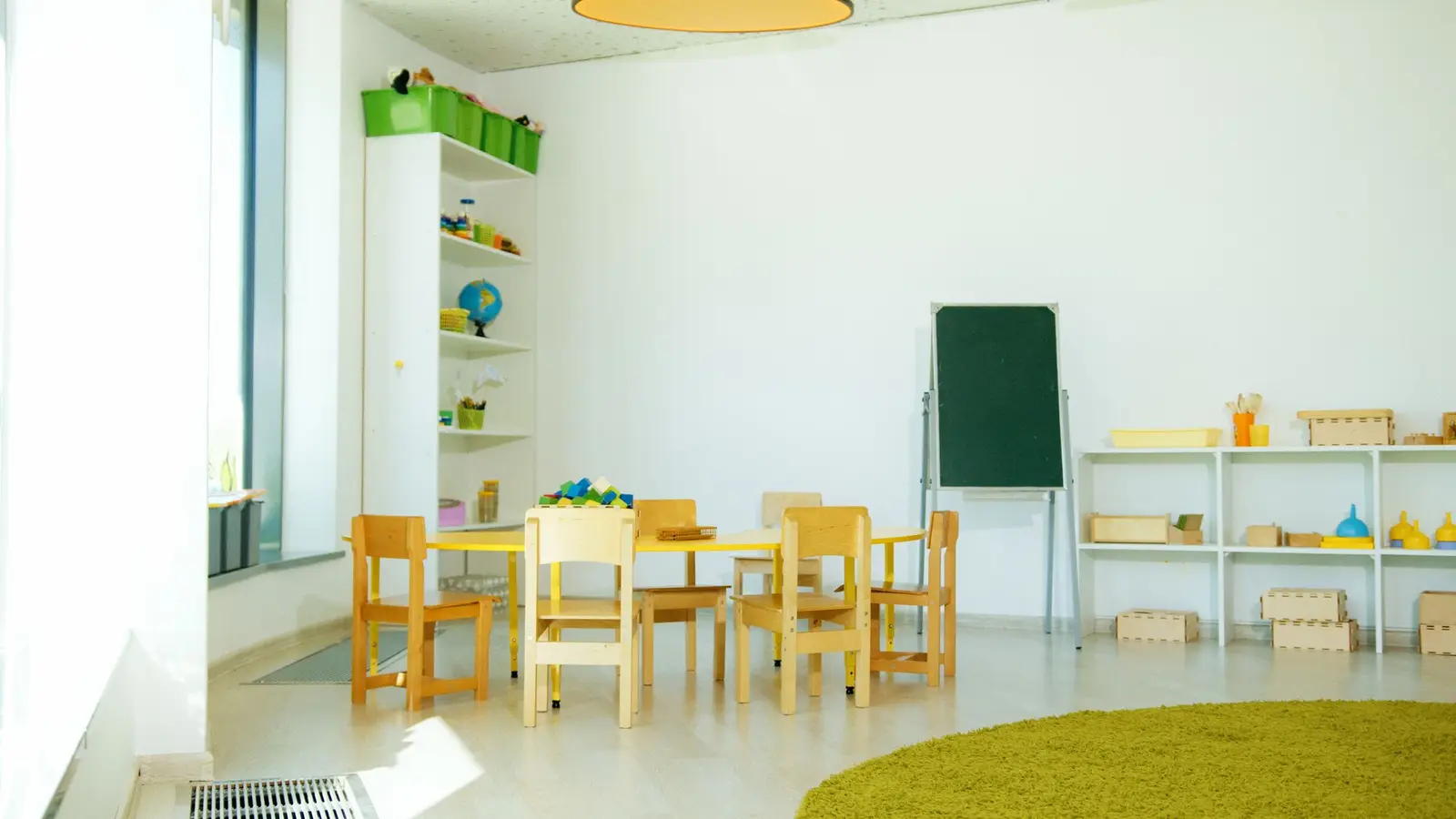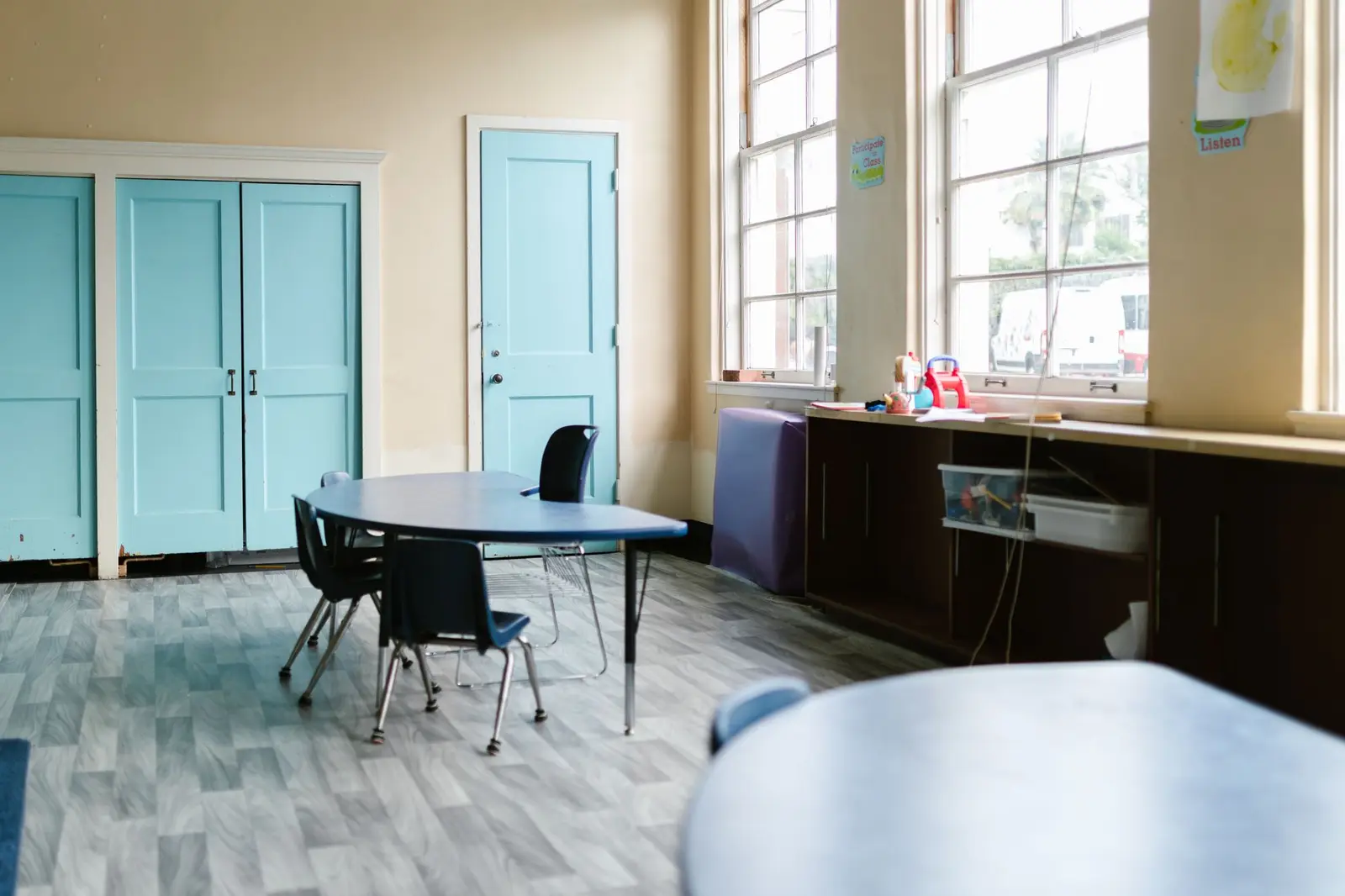
- Create clear zones for different activities.
- Label areas and materials with pictures and words.
- Keep work areas visually calm.
- Include a calm space and seating choices.
What makes a layout autism-friendly?
A room that's easy to "read". When it's obvious where things happen and where materials live, students spend less energy figuring out the environment. Visual supports like labels and schedules help.1 Sensory differences are part of autism, so reducing unnecessary noise and clutter matters too.2
What zones should a classroom have?
| Zone | Purpose | Tips |
|---|---|---|
| Whole-group area | Circle or carpet time | Clear spots on the rug, visual schedule nearby |
| Work areas | Independent and small-group work | Calm walls, clear boundaries |
| Calm space | Regulating | Soft seating, headphones, a calm plan |
| Materials | Getting and putting away supplies | Labeled bins with pictures |
| Transition point | Checking the schedule | Near the door or schedule |
How do I handle seating?
Try
- Offering a few seating options
- Seats away from doors, sinks and pencil sharpeners
- A consistent seat for students who need it
- Asking students where they work best
Skip
- Moving seats without warning
- Seating right under a buzzing light or vent
Free printable: calm corner cardPDF · 1 page · choices for the calm corner
Download Free printable: calm corner cardWhat can I change this week?
0 of 3 done
Read next: How do I make a calm corner in my classroom?