Skip to content
the autism kit
Guide

How do I plan a summer break routine for my autistic child?

Keeping structure when school stops, a weekly picture calendar, and preparing for the return to school.

By The Autism Kit teamUpdated Sep 28, 2026 · 1 min read
Listen to this articleAbout 1 min
Read aloud · speed
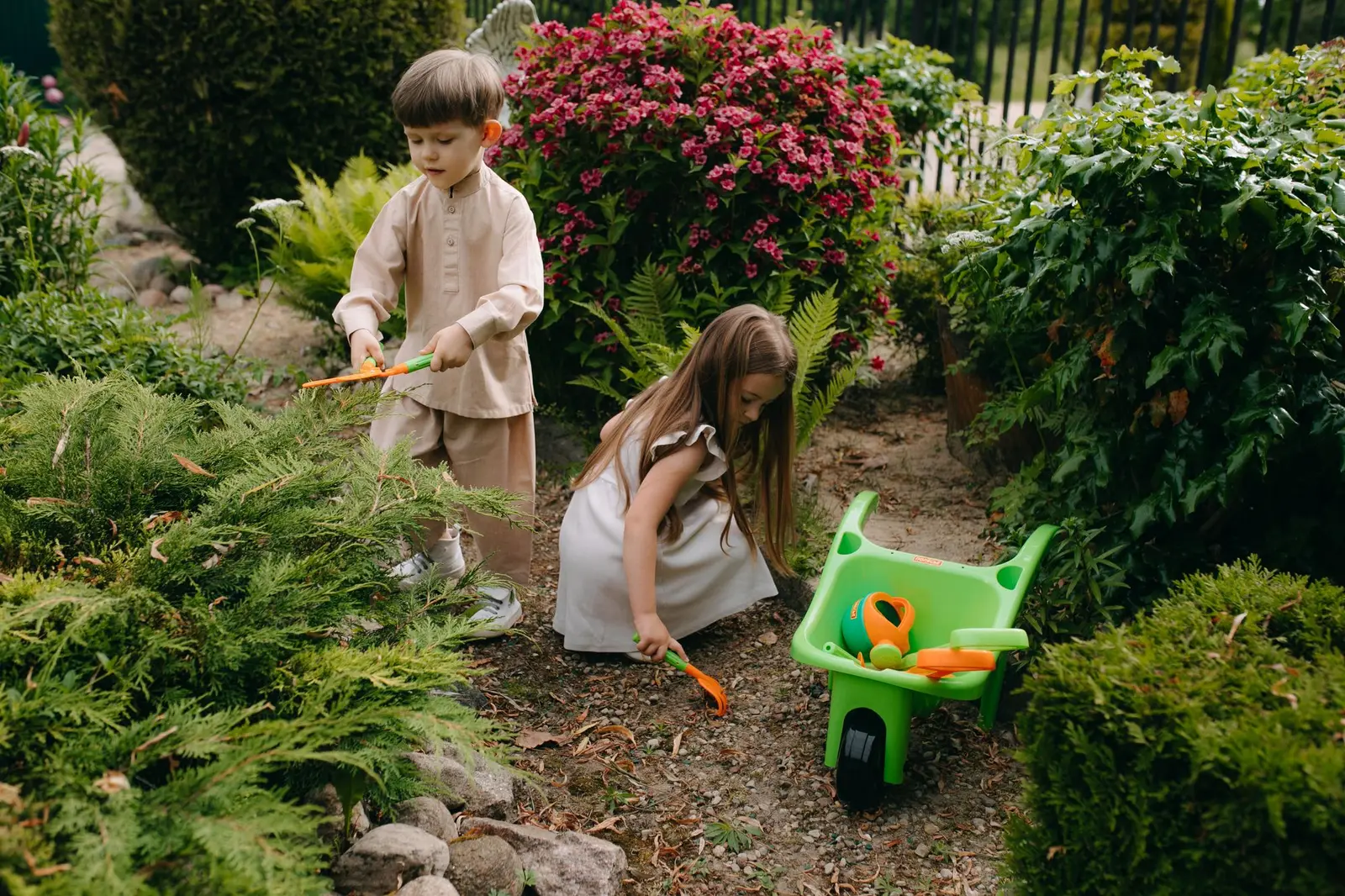
Two children gardening together in a summer garden
Photo: Polesie Toys on Pexels
The short answer

The end of school removes a lot of structure at once. Keep daily anchors (wake time, meals, bedtime), make a weekly picture calendar showing outings and home days, and plan a loose daily rhythm, like morning activity, lunch, quiet time, afternoon play. Show changes early, and start preparing for school two weeks before it restarts.

Key takeaways
  • Keep anchors: wake time, meals, bedtime.
  • Make a weekly picture calendar.
  • Plan a loose daily rhythm.
  • Start back-to-school prep two weeks early.

Why can school breaks be hard?

School gives the day a clear shape. When it stops, many autistic children feel unsettled.2 A visual calendar gives back some of that structure.1

What does a summer rhythm look like?

A loose summer day
TimePlan
MorningWake, breakfast, dress, one activity
MiddayLunch at home or out
Early afternoonQuiet time
Late afternoonOutdoor play, water, park
EveningDinner, bath, usual bedtime routine

How do I plan the week?

  1. Make a weekly calendar with pictures for each day.
  2. Mix outing days and home days.
  3. Mark special events early.
  4. Cross off each day so your child sees time passing.
Free printable: starter packPDF · 3 pages · morning schedule, first-then board and 5-star token chart
Download Free printable: starter pack

What can I try this week?

0 of 3 done

Common questions

Not exactly. Keep the anchors (wake, meals, bed) and a loose rhythm, with more free time.

Sources

  1. AFIRM (UNC Frank Porter Graham): Visual supports evidence-based practice brief. afirm.fpg.unc.edu
  2. NHS: Supporting an autistic child. nhs.uk

This guide shares general information and our team's perspective, based on the sources above. Every child is different, so please talk with your child's doctor or care team about what's right for your family. How we write our guides.

Was this guide helpful?
Share this guide with someone who'd find it useful
Listen

One small, useful tip a week

Practical ideas built on evidence-based practices, plus a free printable to start. Unsubscribe anytime.

We never sell or share your email.