Social story examples for common situations
Short example stories, and how to write your own.
1 min read · Ages 2 to 12
Hard parts of the day
Leaving the park, turning off screens, switching activities: guides for making the next step easier to see.
Stopping something fun is hard. A first-then board shows your child that the next thing is coming, so the switch feels predictable instead of sudden.
Short example stories, and how to write your own.
1 min read · Ages 2 to 12

Decompression first, then a simple picture routine.
1 min read · Ages 4 to 12
Preparing, planning your own, and quiet breaks.
1 min read · All ages
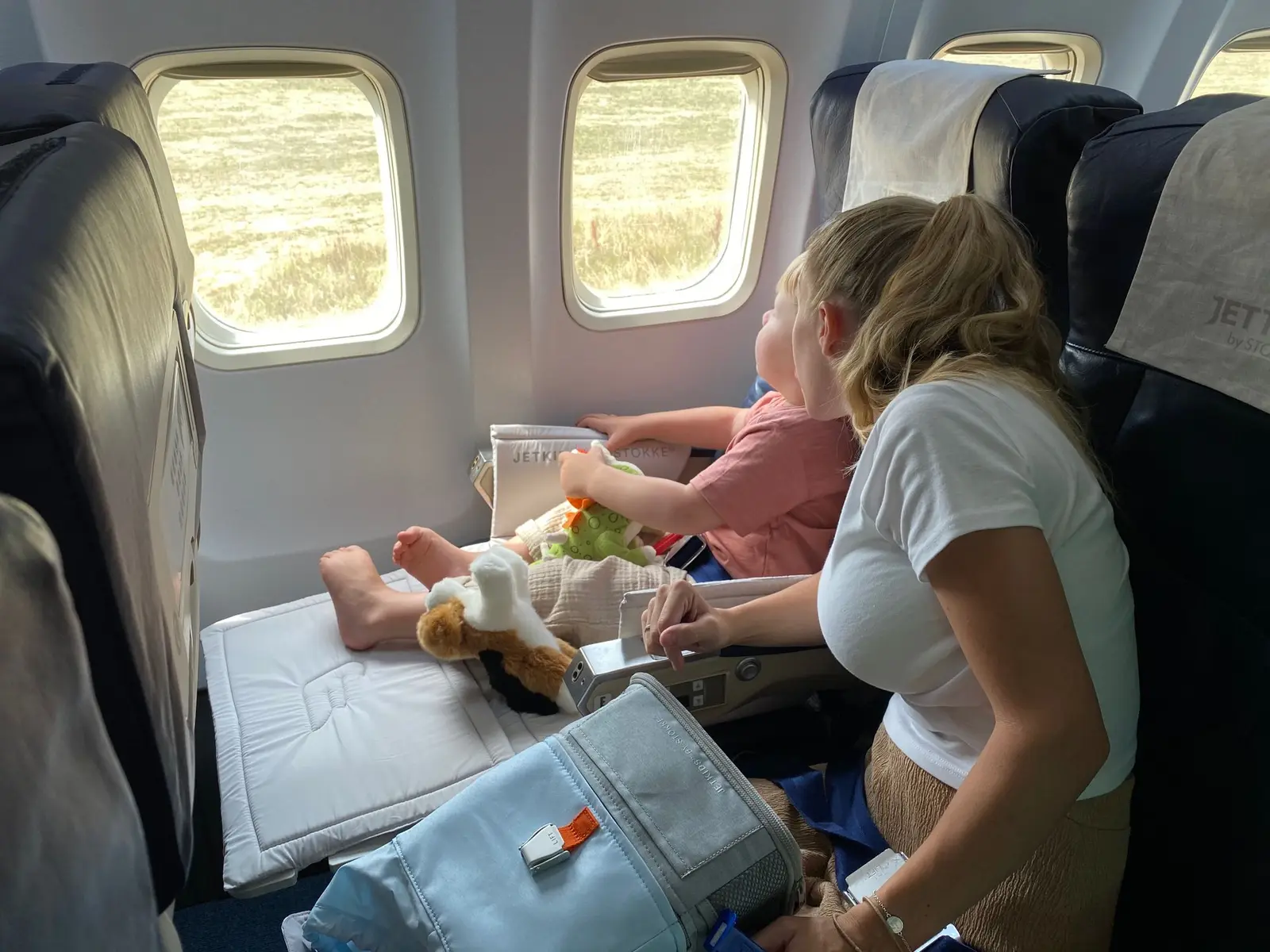
Airport support, picture prep, a calm kit and security.
1 min read · All ages

Quiet times, a picture list and a job to do.
1 min read · All ages

Comfy costumes, practice runs and other ways to celebrate.
1 min read · All ages
Visual calendars, gentle changes, visitors and gifts.
1 min read · All ages

Warnings, first-then, and short words that help.
1 min read · Ages 2 to 8

Photos, a countdown, and setting up their room first.
1 min read · All ages

Pictures, practice, steady routines and one-on-one time.
1 min read · All ages

A visual trip map, planned stops and a car kit.
1 min read · All ages
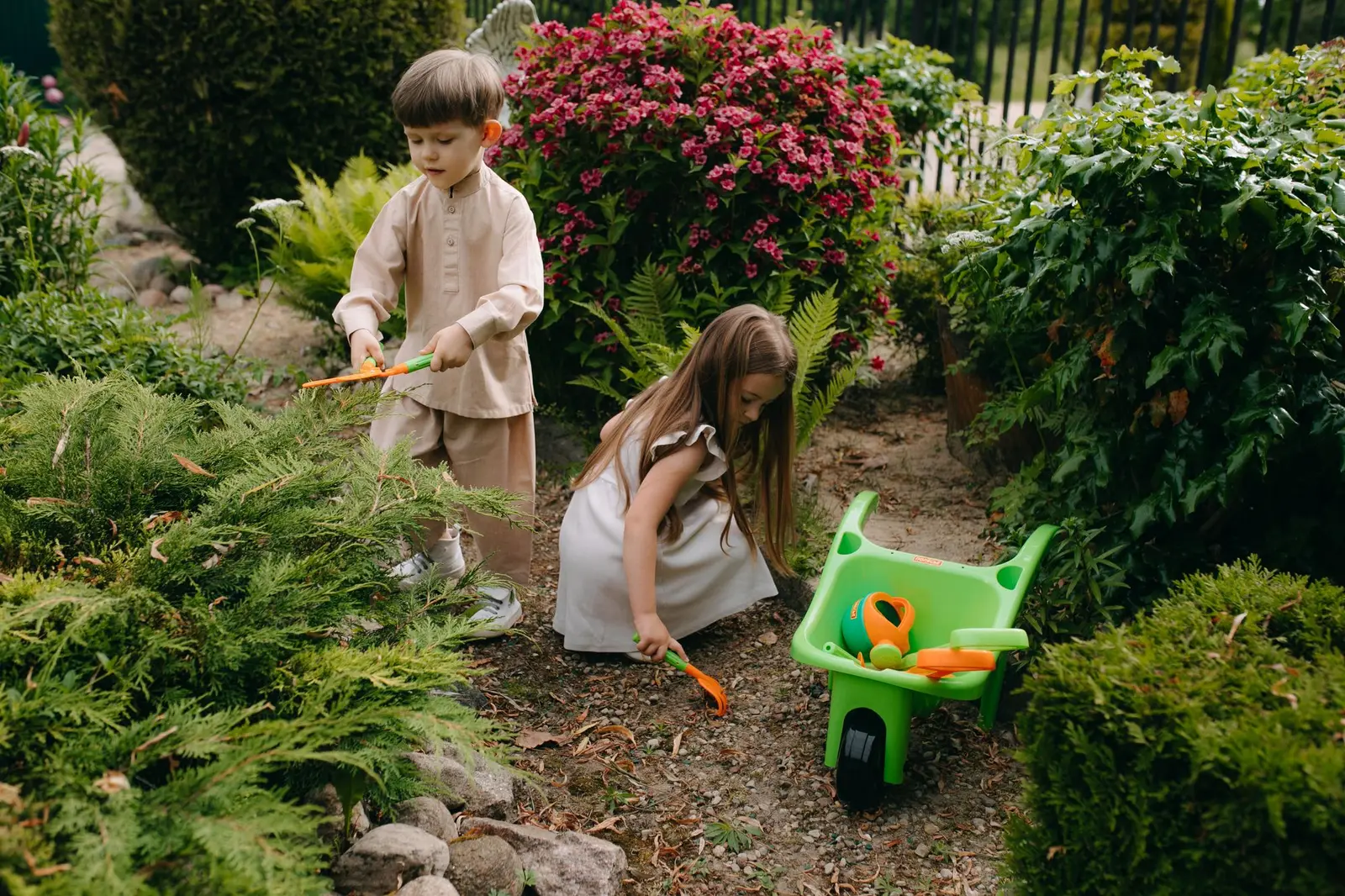
Structure when school stops, and a weekly calendar.
1 min read · Ages 3 to 12
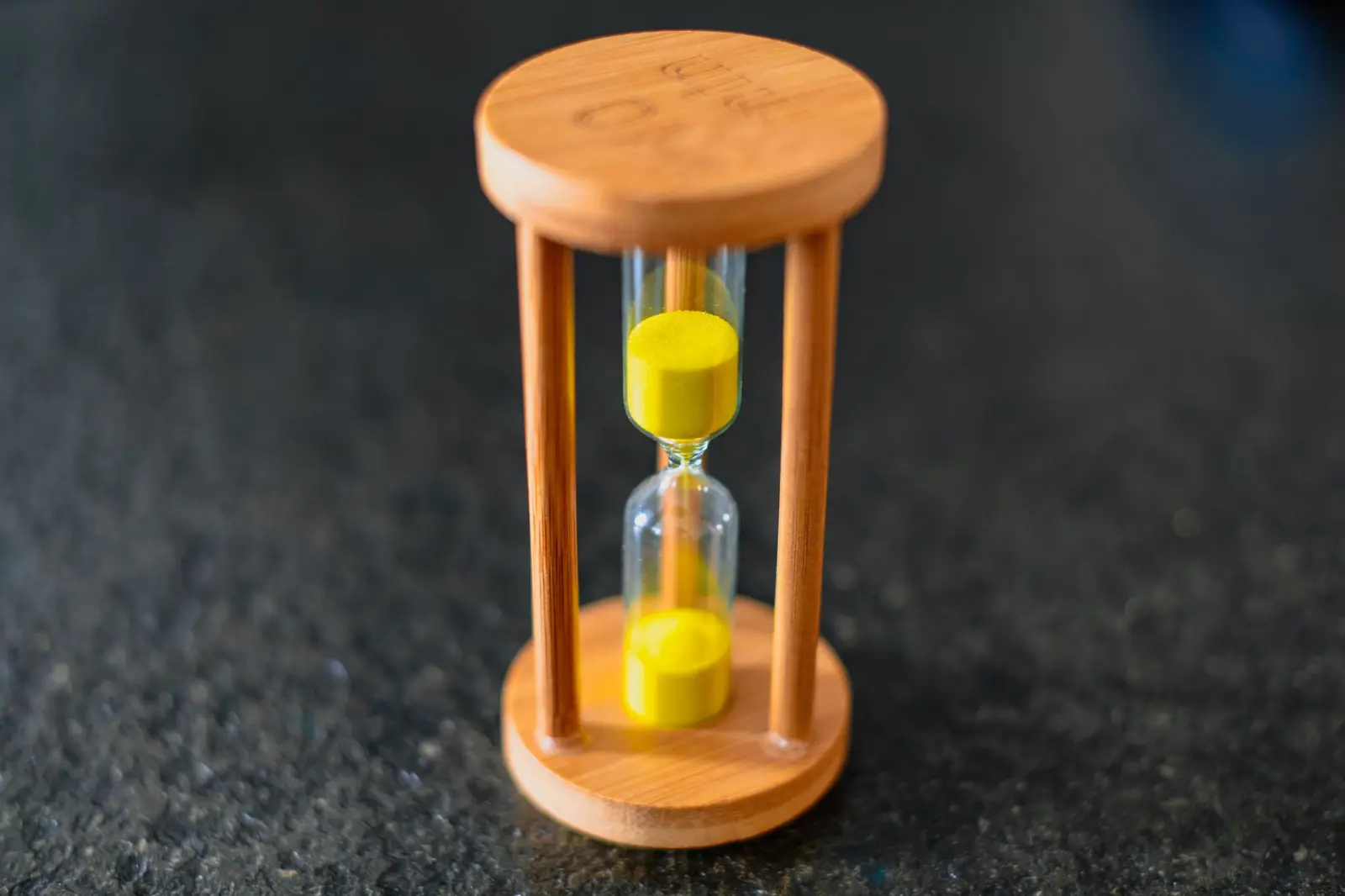
Make time visible for waiting and transitions.
1 min read · All ages

A loose schedule, one outing, and plenty of downtime.
1 min read · All ages

Warnings, timers, visuals and jobs for smoother transitions.
1 min read · Pre-K to grade 6

What studies found, and what virtual autism means.
3 min read · Ages 1 to 6

From your first board to fading it out.
2 min read · Ages 1 to 8
Practical ideas built on evidence-based practices, plus a free printable to start. Unsubscribe anytime.