- Research hasn't shown that screens cause autism.
- "Virtual autism" is not a diagnosis.
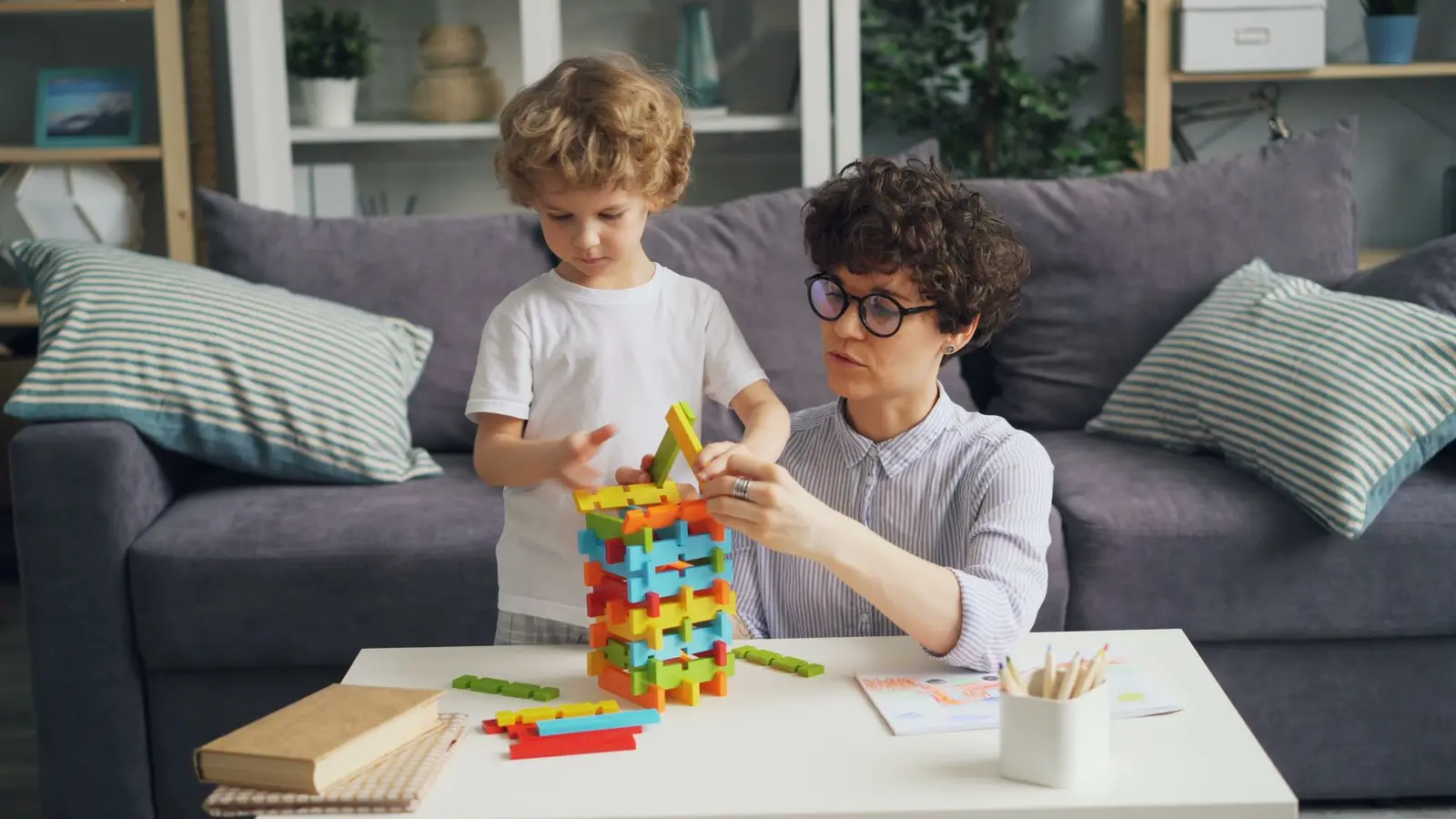
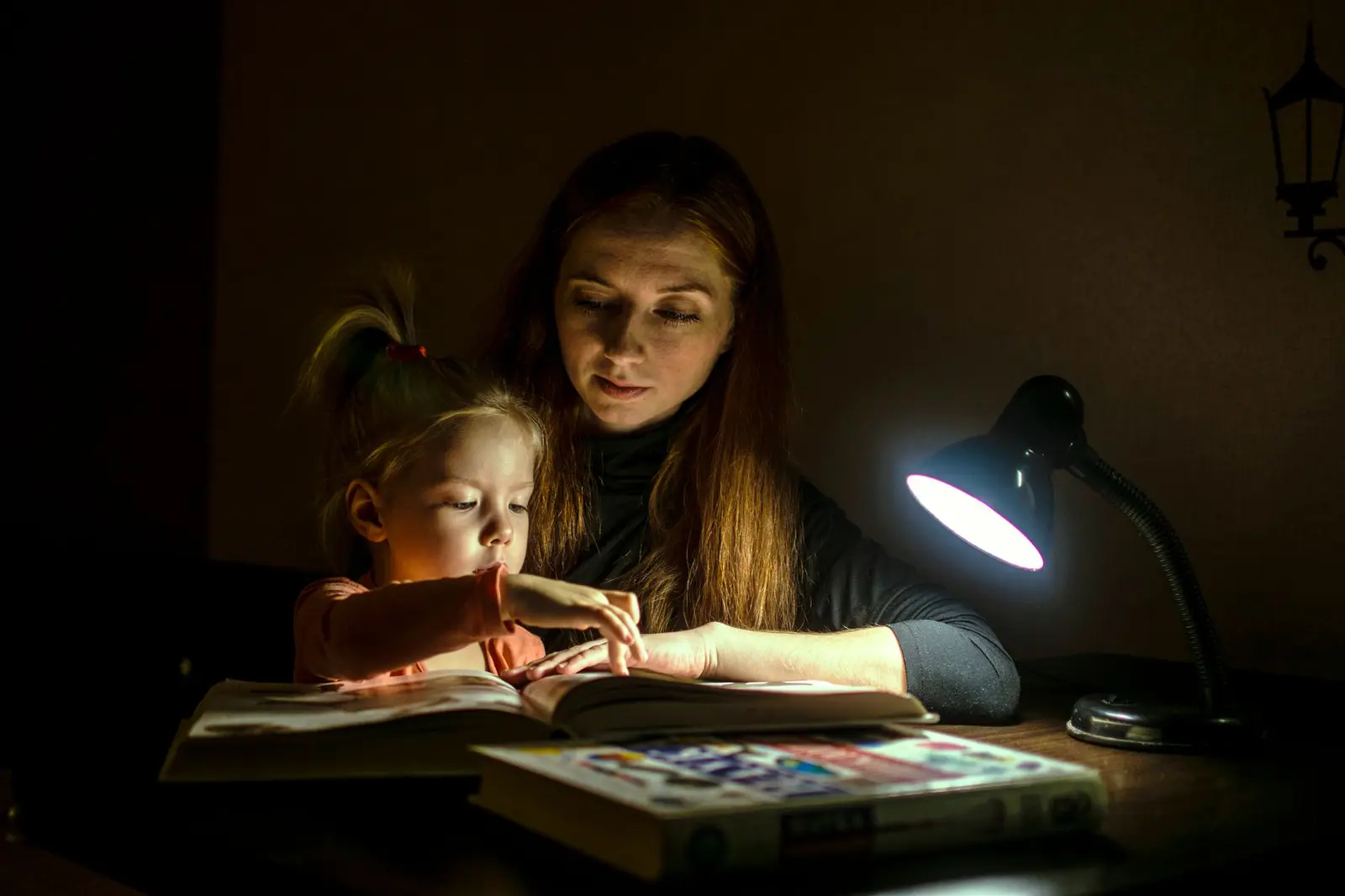
- Screens can crowd out talk and play, which every young child needs.
- If you're worried about development, ask for a screening. Don't wait to see if cutting screens helps.
Does screen time cause autism?
No study has shown that it does. Here's what the research found:
- A 2020 study found that babies who watched screens at 12 months had slightly more autism-like behaviors at age 2, and babies who played with a parent daily had fewer. It did not find a higher rate of autism diagnoses.1
- A 2024 study of more than 5,000 U.S. children found that once family and income factors were taken into account, screen time before age 2 was not linked to autism at age 12.2
There's also a simpler explanation for some links: children who are already developing differently may be drawn to screens, and busy families may use screens more when a child finds other activities hard.
What is "virtual autism"?
It's an informal term, mostly seen online, for young children who show autism-like behaviors that people believe are linked to heavy screen use. It isn't in any diagnostic manual.
Some children with lots of screen time and little back-and-forth play do have delays in talking or social skills that improve with more interaction. That's worth knowing. But if your child shows signs of autism, they deserve a proper evaluation, not just a screen cut.
How much screen time is OK?
The American Academy of Pediatrics suggests:3
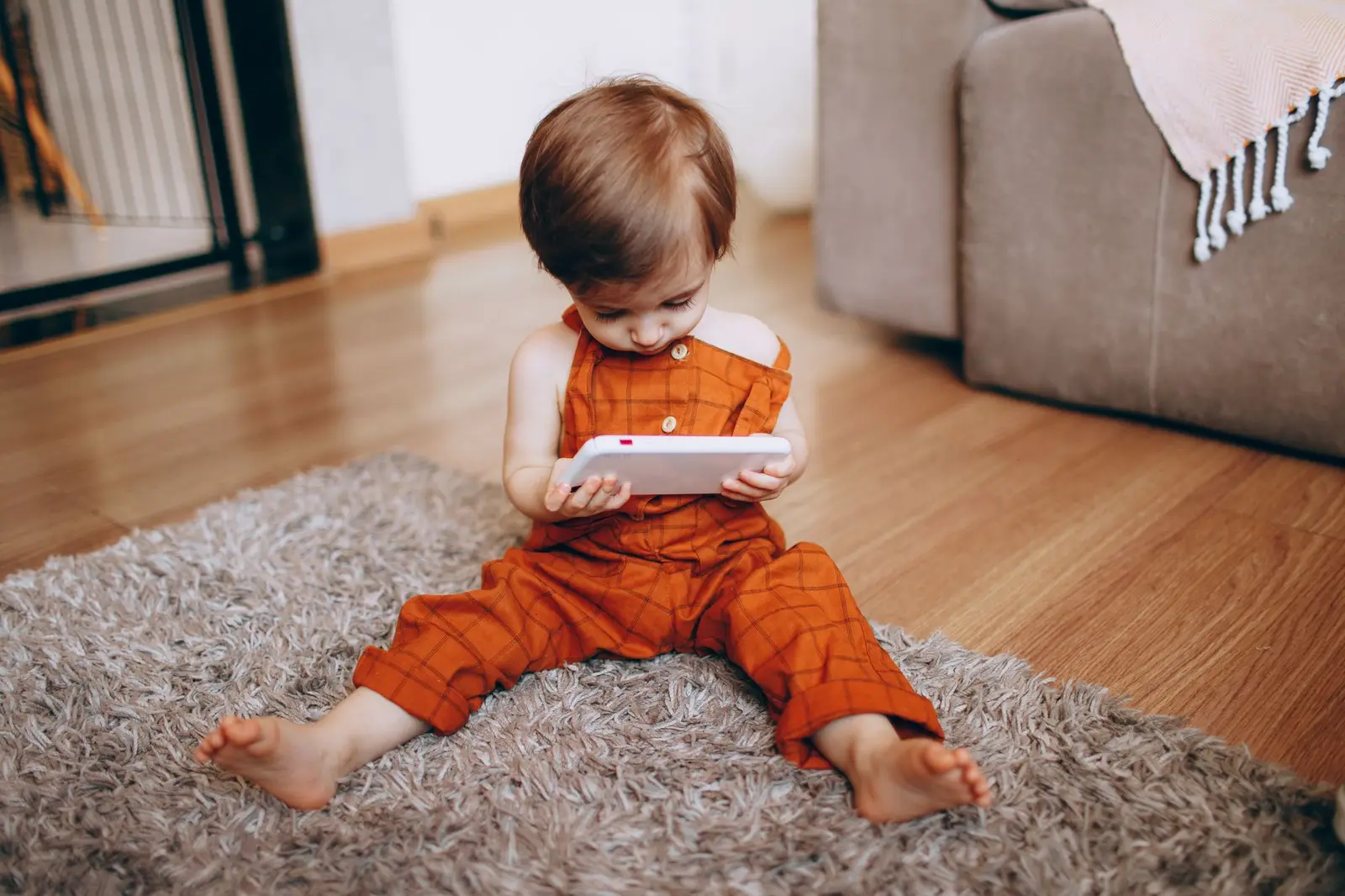
- Under 18 to 24 months: avoid screens except video chatting with family.
- Ages 2 to 5: about 1 hour a day of high-quality programs, watched together when you can.
- All ages: no screens during meals or the hour before bed, and screen-free bedrooms.
These are goals, not rules to feel guilty about. Screens help many families get through the day.
Why is turning off the tablet so hard?
For many autistic kids, stopping a favorite activity is one of the hardest transitions. The screen doesn't have a natural ending, and switching attention takes effort.
- A visual timer your child can watch
- A 5-minute and 1-minute warning
- A first-then board: first tablet, then snack
- Ending at a natural stopping point, like the end of an episode
- Grabbing the tablet without warning
- Endless autoplay
- Using screens as the only way to calm down
What can I try this week?
0 of 4 done
Read next: What are the early signs of autism?