Skip to content
the autism kit
Guide

How can we make the holidays calmer for our autistic child?

Visual calendars, gradual decorating, handling visitors and gifts, and protecting quiet time.

By The Autism Kit teamUpdated Sep 28, 2026 · 1 min read
Listen to this articleAbout 1 min
Read aloud · speed
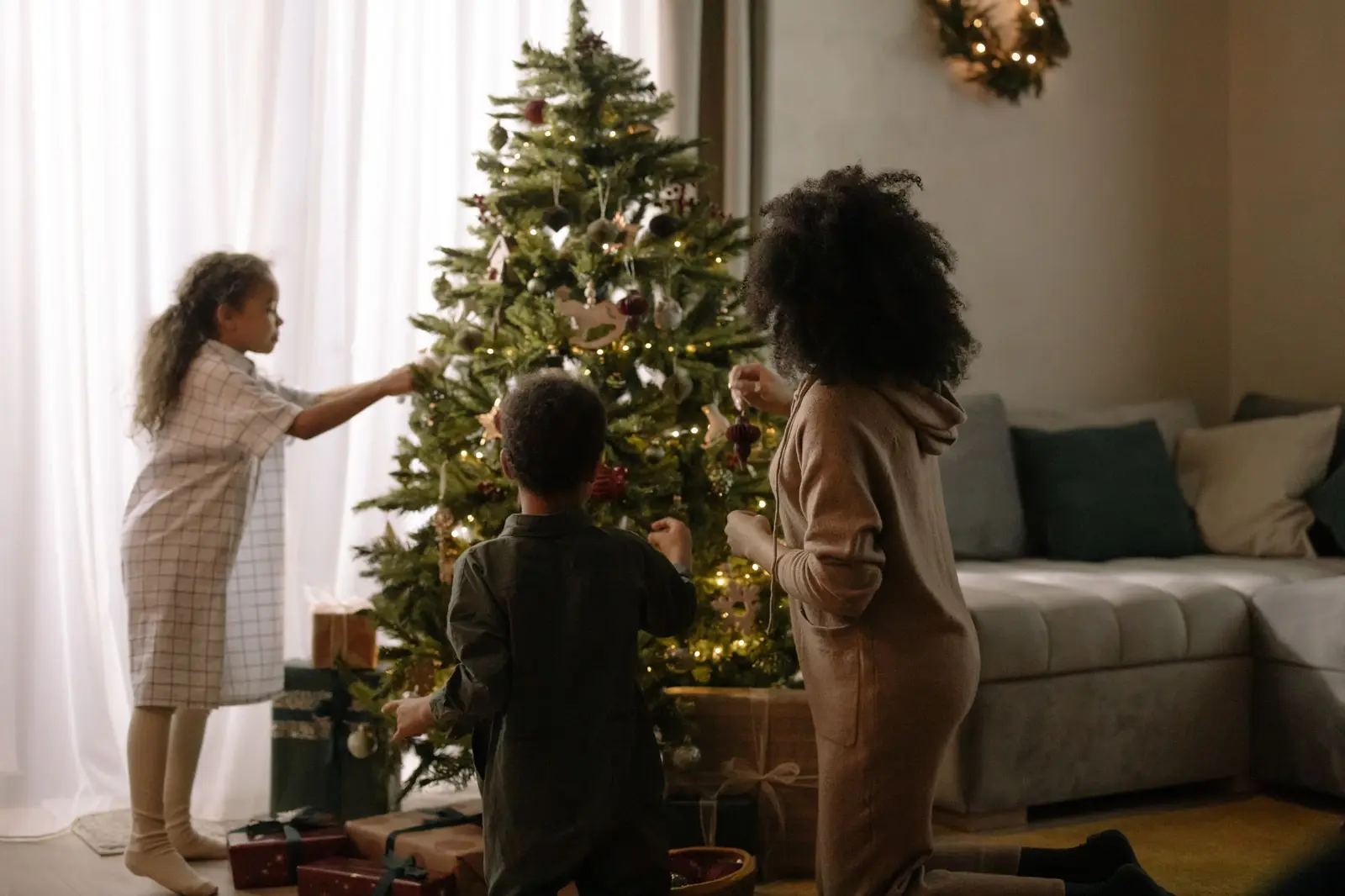
A family decorating a Christmas tree in their living room
Photo: cottonbro studio on Pexels
The short answer

Holidays bring lots of change: decorations, visitors, food, noise and no school. A visual calendar showing each day's plan, decorating a little at a time, and a quiet room to escape to help most. Tell visitors what helps, keep some routines steady, and let your child open gifts at their own pace. Your family's version of the holiday doesn't have to look like anyone else's.

Key takeaways
  • Show each day on a visual calendar.
  • Decorate gradually.
  • Set up a quiet room.
  • Brief visitors on what helps.

Why are holidays hard?

Almost everything changes at once: the house looks different, there are visitors, food, noise and no usual routine. A visual calendar helps your child see what's coming.1

What helps most?

Holiday supports
ChallengeTry
Changes to the houseDecorate a little at a time, together
VisitorsShow photos of who's coming; a quiet room
GiftsClear wrap, or one gift at a time
Big mealsSafe foods and a short time at the table
TravelA picture schedule of the trip

A short social story about the holiday can help too.2

Try
  • Keeping bedtime steady
  • Planning quiet time each day
  • Saying no to some events
Skip
  • Surprise visitors
  • Back-to-back events
  • Forcing hugs or photos
Free printable: social narrative templatePDF · 1 page · a simple story to prepare for a new or hard situation
Download Free printable: social narrative template

What can I do before the holidays?

0 of 3 done

Common questions

Many autistic children do better with gradual changes. Add a few decorations at a time, and let your child help.

Sources

  1. AFIRM (UNC Frank Porter Graham): Visual supports evidence-based practice brief. afirm.fpg.unc.edu
  2. Carol Gray Social Stories. carolgraysocialstories.com

This guide shares general information and our team's perspective, based on the sources above. Every child is different, so please talk with your child's doctor or care team about what's right for your family. How we write our guides.

Was this guide helpful?
Share this guide with someone who'd find it useful
Listen

One small, useful tip a week

Practical ideas built on evidence-based practices, plus a free printable to start. Unsubscribe anytime.

We never sell or share your email.