Skip to content
the autism kit
Guide

How can my autistic child enjoy birthday parties?

Preparing for parties, planning your own child's party, the singing moment, and quiet breaks.

By The Autism Kit teamUpdated Sep 28, 2026 · 1 min read
Listen to this articleAbout 1 min
Read aloud · speed
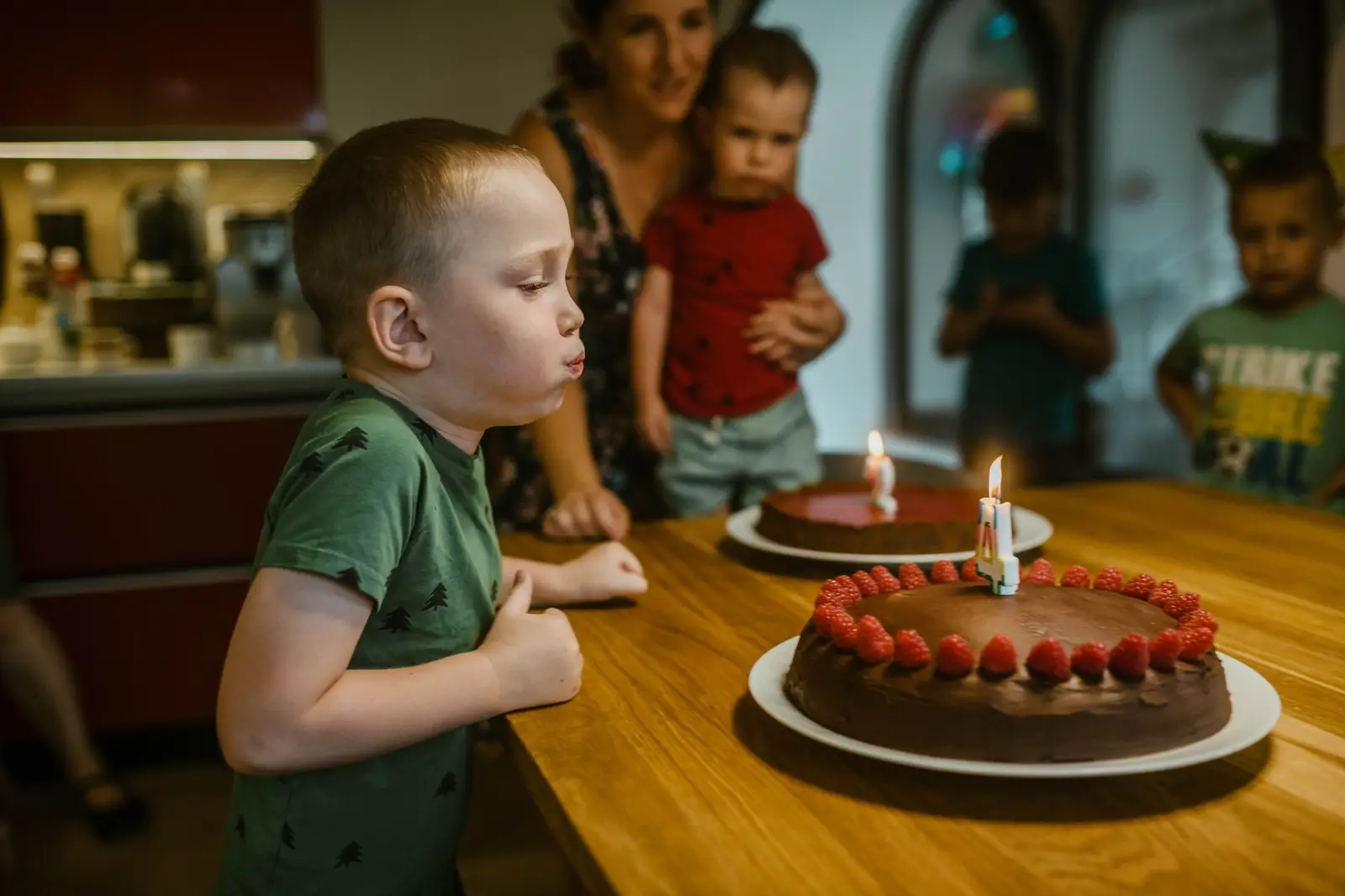
A boy blowing out candles on a birthday cake
Photo: Helena Jankovičová Kováčová on Pexels
The short answer

Parties are noisy and unpredictable. Ask the host what will happen and when, show your child a simple party schedule, bring headphones for the singing, and plan a quiet spot and an exit time. For your own child's party, keep it small and short, choose a familiar place, follow their interests, and let them skip anything that's too much, including the song.

Key takeaways
  • Ask the host for a plan and show a party schedule.
  • Bring headphones for the singing.
  • Plan a quiet spot and exit time.
  • For your own party: small, short, familiar.

How do I prepare for someone else's party?

  1. Ask the host what's happening and when.
  2. Show a party schedule: arrive, play, food, song, cake, home.2
  3. Read a short story about parties.1
  4. Plan when you'll leave.

How do I plan my child's own party?

Try
  • A few familiar guests
  • Your child's favourite theme and foods
  • A quiet room to take breaks
  • One to two hours, at a familiar place
Skip
  • Surprise parties
  • Balloons popping and party poppers
  • Busy play centres at peak times
Free printable: social narrative templatePDF · 1 page · a simple story to prepare for a new or hard situation
Download Free printable: social narrative template

What can I try before the next party?

0 of 3 done
Common questions

Sing quietly, clap instead, or let your child wear headphones or step out. It's their party.

Sources

  1. Carol Gray Social Stories. carolgraysocialstories.com
  2. AFIRM (UNC Frank Porter Graham): Visual supports evidence-based practice brief. afirm.fpg.unc.edu

This guide shares general information and our team's perspective, based on the sources above. Every child is different, so please talk with your child's doctor or care team about what's right for your family. How we write our guides.

Was this guide helpful?
Share this guide with someone who'd find it useful
Listen

One small, useful tip a week

Practical ideas built on evidence-based practices, plus a free printable to start. Unsubscribe anytime.

We never sell or share your email.