Skip to content
the autism kit
Guide

How can a choice board make mealtimes calmer?

Offering two food options with pictures, why choice lowers stress, and how to include new foods gently.

By The Autism Kit teamUpdated Sep 28, 2026 · 1 min read
Listen to this articleAbout 1 min
Read aloud · speed
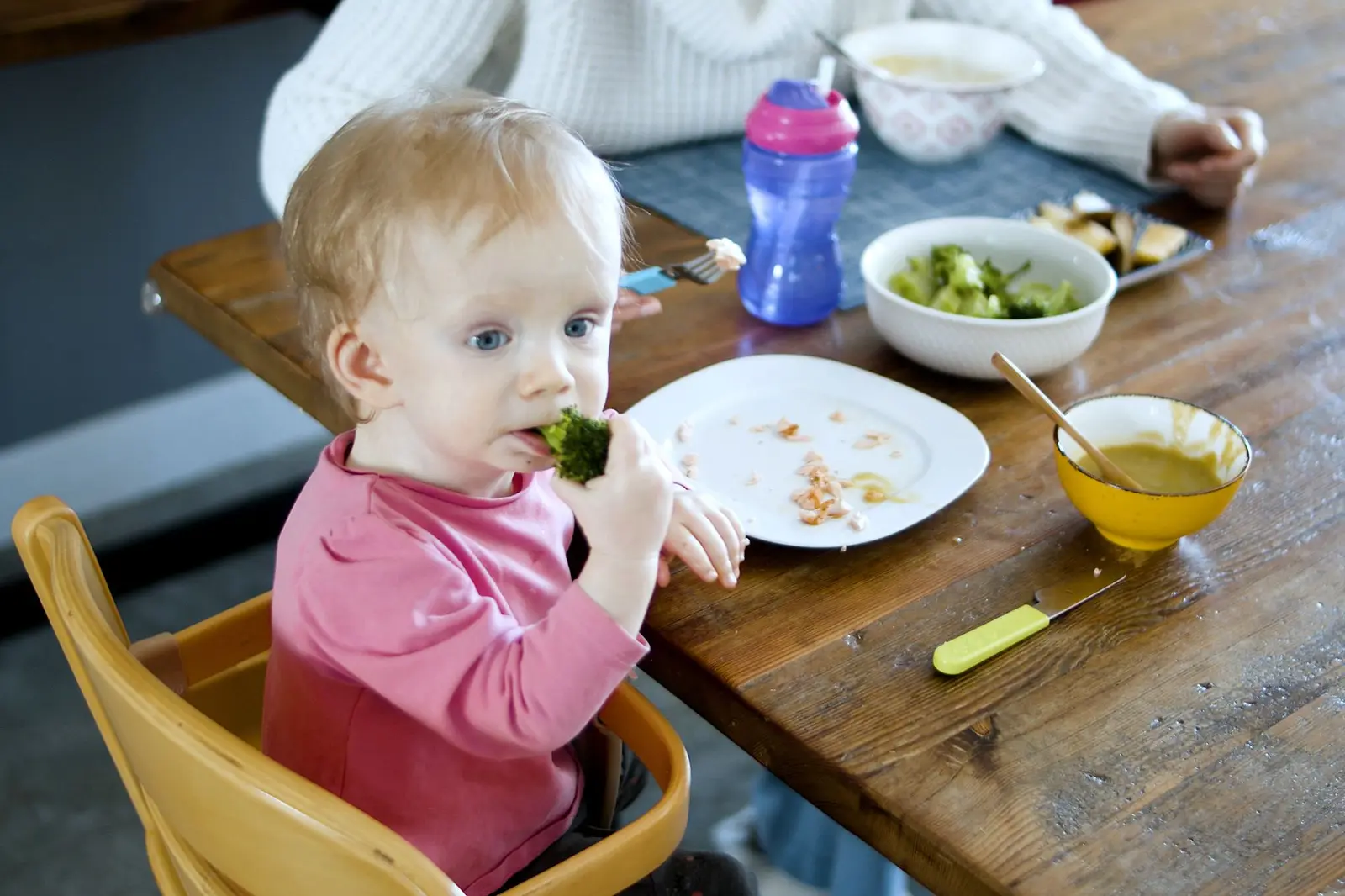
A toddler in a high chair eating broccoli at the table
Photo: Kampus Production on Pexels
The short answer

A choice board shows two (or more) food pictures so your child can point to what they want. Having a say lowers stress and gives nonspeaking children a way to communicate. Start with two foods your child already likes, offer the board before the meal, and honour the choice. Add new foods slowly, next to safe ones, without pressure.

Key takeaways
  • Show two food pictures and let your child choose.
  • Choice lowers stress and supports communication.
  • Start with safe foods your child already eats.
  • Add new foods slowly, without pressure.

Why does a choice help at mealtimes?

Food can be a source of stress for many autistic children because of textures, smells and change. Having some control helps. A picture choice also gives children a way to answer without words.12

How do I use a choice board?

  1. Pick two foods your child likes.
  2. Show the pictures before the meal: "Pasta or rice?"
  3. Wait for a point, look or word.
  4. Give the choice right away.
  5. Use it every day so it becomes routine.

How do I add new foods?

Try
  • One new food next to one safe food
  • Letting your child touch or smell before tasting
  • Tiny portions of new foods
  • Eating the new food yourself
Skip
  • Hiding new foods in safe foods
  • Rewards for eating new foods at first
  • Long standoffs at the table
Free printable: two-choice boardPDF · 2 pages · two picture slots, plus food cards
Download Free printable: two-choice board

What can I try this week?

0 of 3 done

Read next: How can I help my autistic child with picky eating?

Common questions

Start with two. More options can be overwhelming. Add a third when two is easy.

Sources

  1. AFIRM (UNC Frank Porter Graham): Visual supports evidence-based practice brief. afirm.fpg.unc.edu
  2. NHS: Supporting an autistic child. nhs.uk

This guide shares general information and our team's perspective, based on the sources above. Every child is different, so please talk with your child's doctor or care team about what's right for your family. How we write our guides.

Was this guide helpful?
Share this guide with someone who'd find it useful
Listen

One small, useful tip a week

Practical ideas built on evidence-based practices, plus a free printable to start. Unsubscribe anytime.

We never sell or share your email.