- Feeding problems are about 5 times more common in autistic kids.
- Texture, smell, sameness and anxiety all play a part.
- Keep a safe food on the plate and take pressure off.
- See a doctor if your child eats very few foods or isn't growing well.
Why do autistic kids eat so few foods?
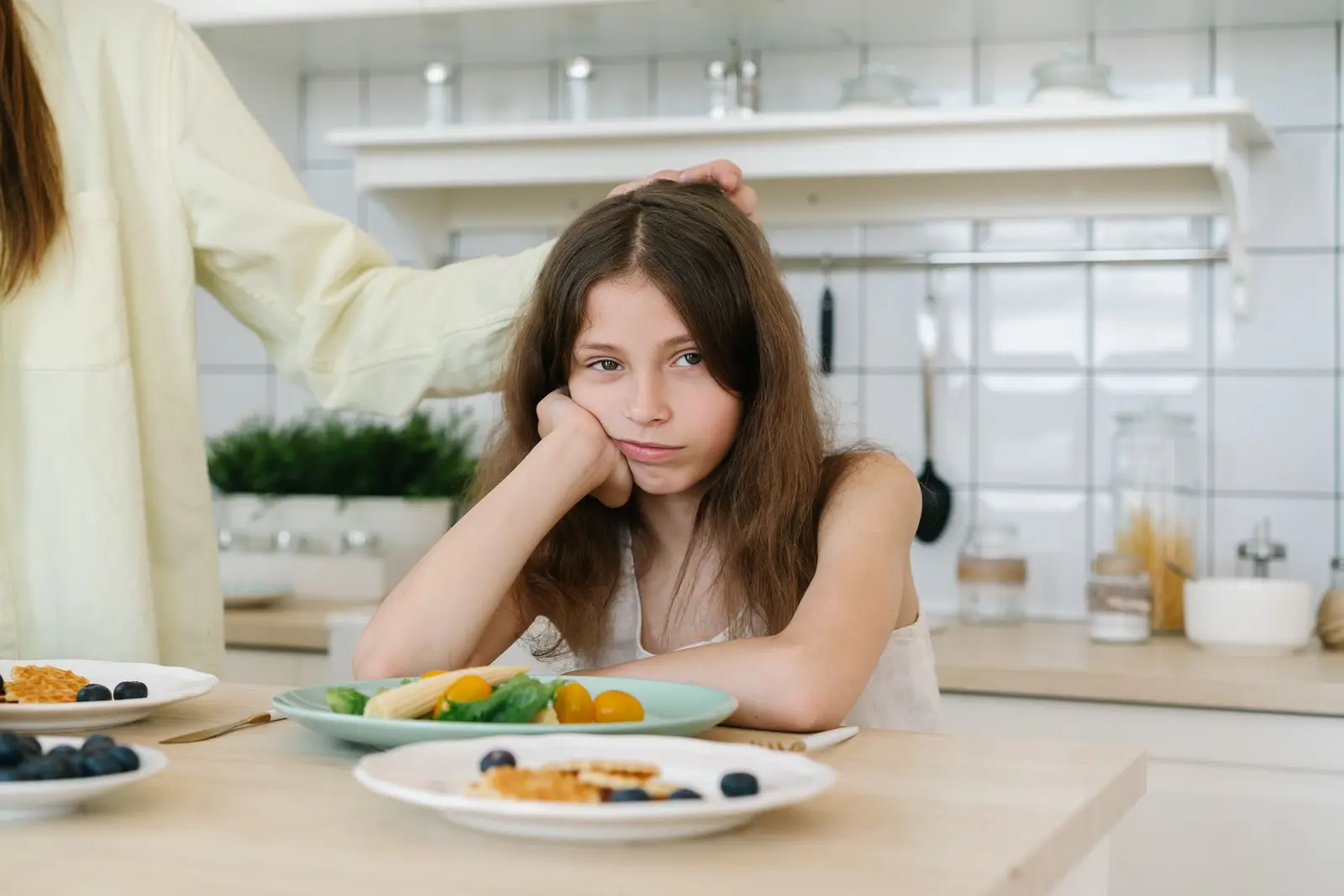
It's one of the most common challenges parents describe. A review of research found autistic children were about 5 times more likely to have feeding problems than other children, such as eating very few foods or strong reactions at meals.1
Common reasons include:
- Sensory differences: textures, smells, colors or temperatures can feel intense or even make a child gag
- Need for sameness: a favorite brand, the same plate, foods that don't touch
- Anxiety about new things
- Medical issues like reflux or constipation that make eating uncomfortable
Many autistic kids prefer predictable foods, like crackers or pasta, that taste and feel the same every time.
How can I help my child try new foods?
Progress is usually slow, and that's normal. Most kids need many calm exposures before trying a new food.2
Try
- Always include one safe food your child will eat
- Put a tiny amount of a new food nearby, with no pressure
- Let your child touch, smell or lick a food without eating it
- Offer two choices with pictures at snack time
- Keep meals at the same times and places
Skip
- Forcing, bribing or "one more bite" deals
- Taking away safe foods to make them eat
- Long standoffs at the table
- Surprising your child with changes to favorite foods
How can I make mealtimes calmer?
- Keep it predictable: same seat, same plate, a picture schedule for the meal
- Reduce sensory load: turn off the TV, use soft lighting, offer a quiet spot
- Keep meals short: 20 to 30 minutes is plenty
- Eat together when you can, so your child sees food without pressure
A two-choice board lets your child pick, which can make meals feel safer. A first-then board can help too: first one bite-sized try, then a favorite food.
Free printable: two-choice boardPDF · 2 pages · two picture slots, plus food cards
Download Free printable: two-choice boardWhat can I try this week?
0 of 4 done