- Boys are diagnosed more often, but girls are likely underdiagnosed.
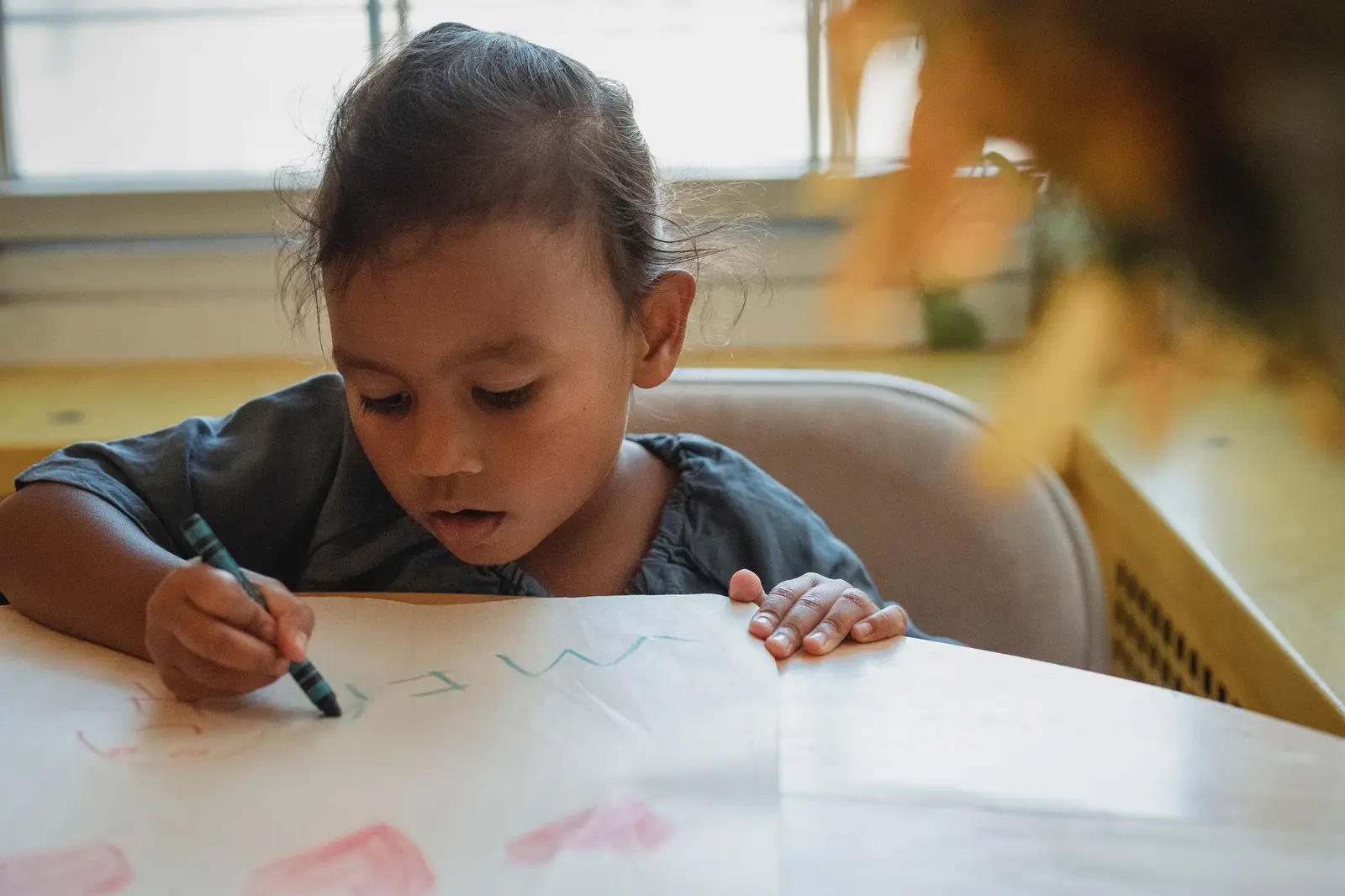
- Autistic girls often mask: they copy others and hold it together at school.
- Their interests may look typical, just very intense.
- If you're wondering, ask for an evaluation. It's never too late.
Is autism less common in girls?
It's diagnosed less often. The CDC reports that autism is identified over 3 times more often in boys than girls.2
But the real gap may be smaller. A review of studies found that when researchers screened whole populations, rather than counting existing diagnoses, the ratio was closer to 3 to 1, and they concluded that some autistic girls are being missed.1
Why is autism missed in girls?
A few common reasons:
- Masking. Many autistic girls watch and copy other kids to fit in, so differences are hidden.3
- Interests that seem typical. A girl who is deeply focused on horses, a TV series or animals may not stand out, even if the interest is unusually intense.
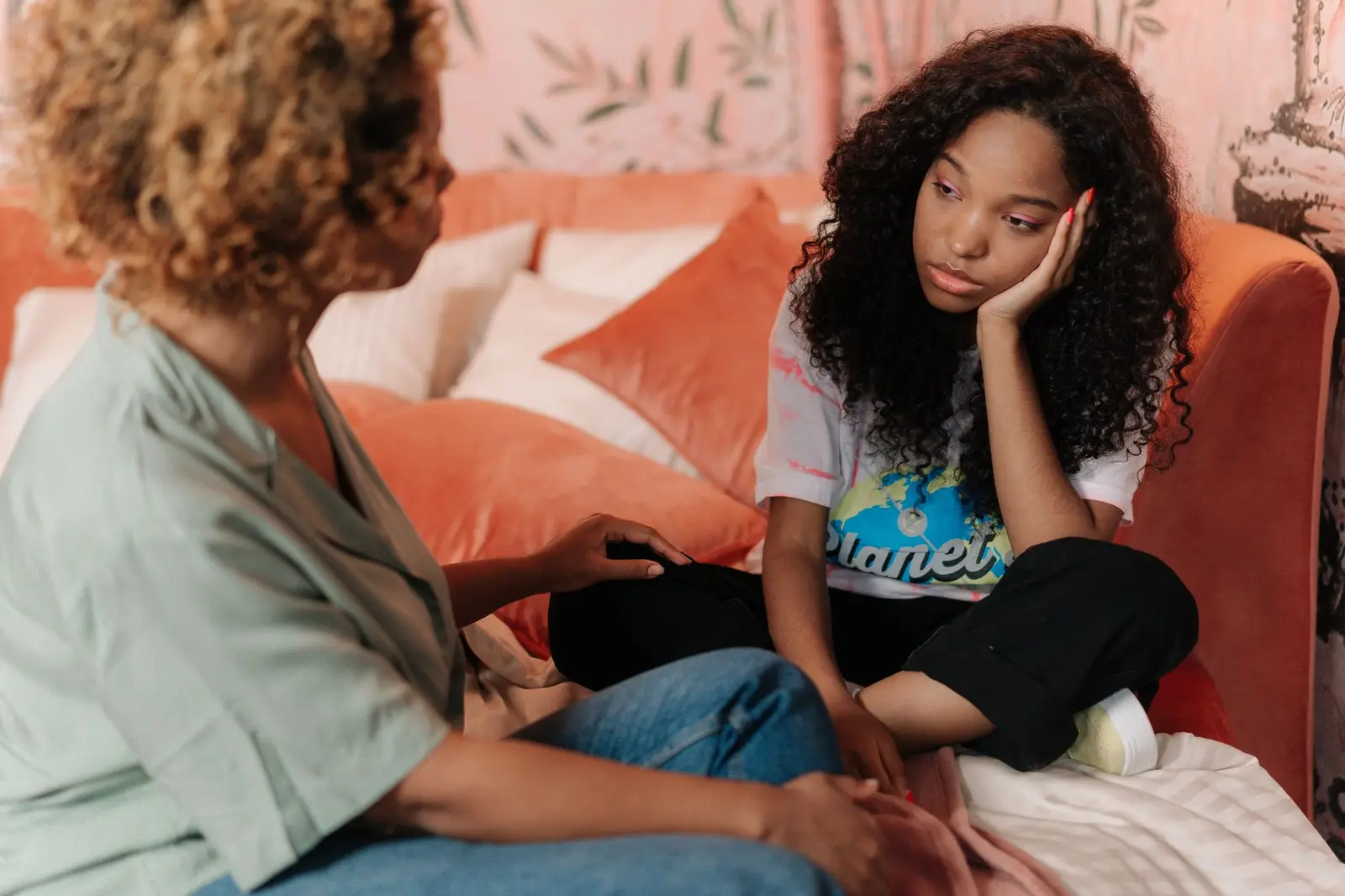
- Quiet struggles. Girls are more likely to go quiet, anxious or withdrawn than to disrupt the class, so teachers may not notice.
- Expectations. Many people still picture autism as a boy lining up trains.
What signs might look different in girls?
| Area | What it can look like |
|---|---|
| Friendships | One intense friendship, following a friend's lead, or finding groups exhausting |
| Play | Pretend play that follows a script, or organizing toys more than playing with them |
| Interests | Deep, detailed focus on popular topics like animals, books or a show |
| At school | Quiet, rule-following and "fine," then very upset at home |
| Feelings | Anxiety, big reactions to small changes, or shutting down |
| Senses | Strong reactions to clothes, noise, food textures or hair brushing |
None of these alone means autism. What matters is a pattern across several areas. See What are the early signs of autism?
How do I raise this with a doctor?
- Bring specific examples, from home and from school.
- Mention masking: "She seems fine at school but has a very hard time at home."
- Ask directly about an autism evaluation, and whether the clinician has experience with girls.
- Share teacher notes if you have them.
Free printable: appointment notesPDF · 2 pages · what you've noticed, plus questions to ask
Download Free printable: appointment notesWhat can I do this week?
0 of 4 done
For next steps, read How do I find an autism evaluation near me?