Skip to content
the autism kit
Guide

How do I teach my autistic child to wash their hands?

A picture sequence by the sink, a song for timing, and sensory tweaks for water and soap.

By The Autism Kit teamUpdated Sep 28, 2026 · 1 min read
Listen to this articleAbout 1 min
Read aloud · speed
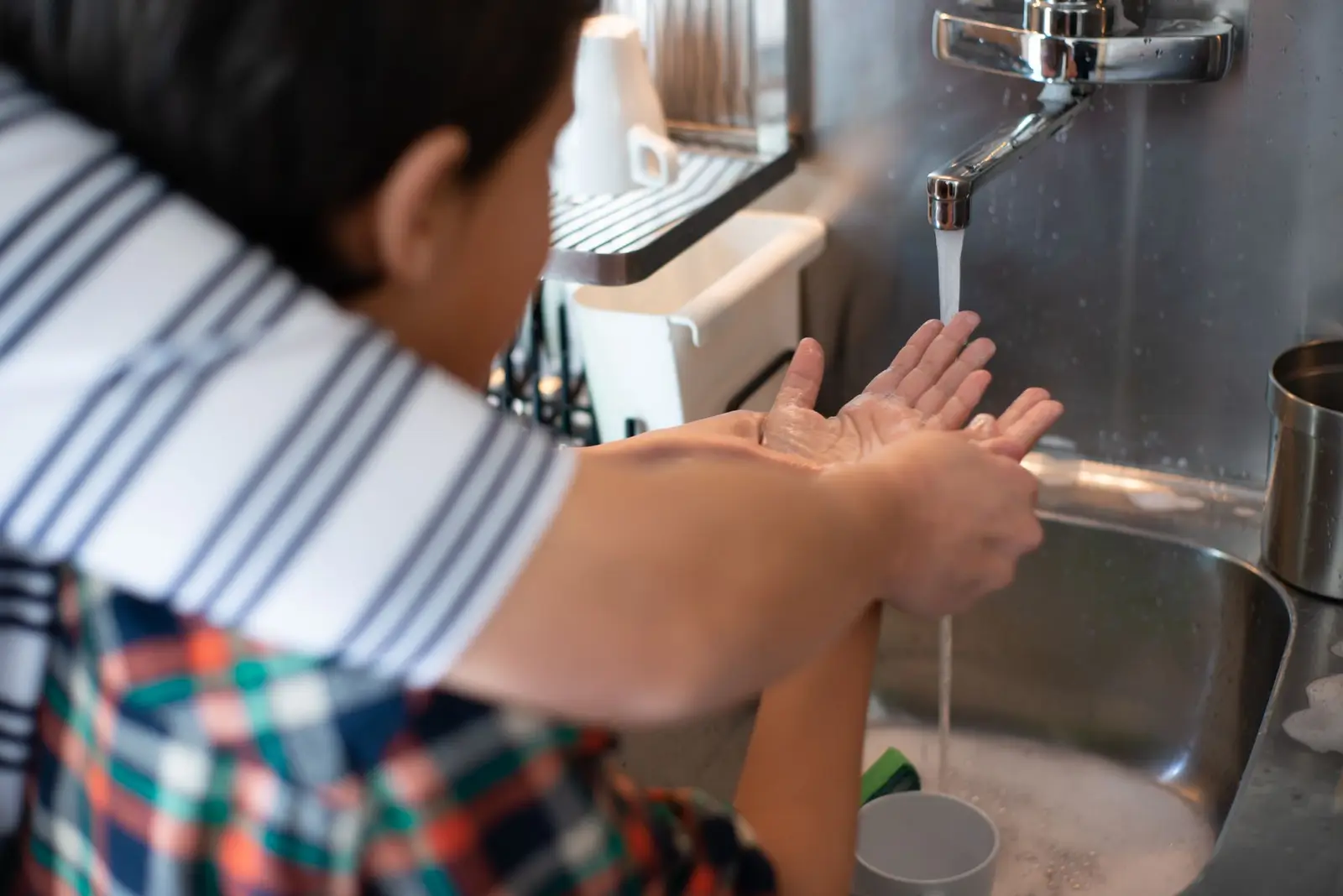
A child washing his hands at a kitchen sink
Photo: Kampus Production on Pexels
The short answer

Put a picture sequence at eye level by the sink: water on, wet hands, soap, rub for 20 seconds, rinse, water off, dry. Sing a short song for the scrubbing so your child knows when to stop, use a step stool so they can reach, and choose soap and water temperatures they tolerate. Practise at calm times, and give only as much help as needed.

Key takeaways
  • Put picture steps at eye level by the sink.
  • Use a 20-second song for scrubbing.
  • Try foam or unscented soap.
  • A step stool makes it easier to reach.

What are the steps?

Handwashing picture steps
StepPicture
1Water on
2Wet hands
3Soap
4Scrub for 20 seconds
5Rinse
6Water off
7Dry hands

The CDC recommends scrubbing for at least 20 seconds.1 A picture sequence helps many children follow multi-step routines.2

How do I teach it?

  1. Do it together, pointing to each picture.
  2. Sing a song during scrubbing.
  3. Step back a little each time.
  4. Praise each finished step.
Try
  • Foam or unscented soap
  • A step stool
  • Warm, not hot, water
Skip
  • Very hot water
  • Strong-smelling soap
  • Hand dryers if the noise is scary
Free printable: 5-step morning schedulePDF · 2 pages · pictures for common steps, plus blank cards
Download Free printable: 5-step morning schedule

What can I try this week?

0 of 3 done

Common questions

The CDC suggests at least 20 seconds, about two rounds of 'Happy Birthday'.

Sources

  1. CDC: Clean hands, when and how to wash your hands. cdc.gov
  2. AFIRM (UNC Frank Porter Graham): Visual supports evidence-based practice brief. afirm.fpg.unc.edu

This guide shares general information and our team's perspective, based on the sources above. Every child is different, so please talk with your child's doctor or care team about what's right for your family. How we write our guides.

Was this guide helpful?
Share this guide with someone who'd find it useful
Listen

One small, useful tip a week

Practical ideas built on evidence-based practices, plus a free printable to start. Unsubscribe anytime.

We never sell or share your email.