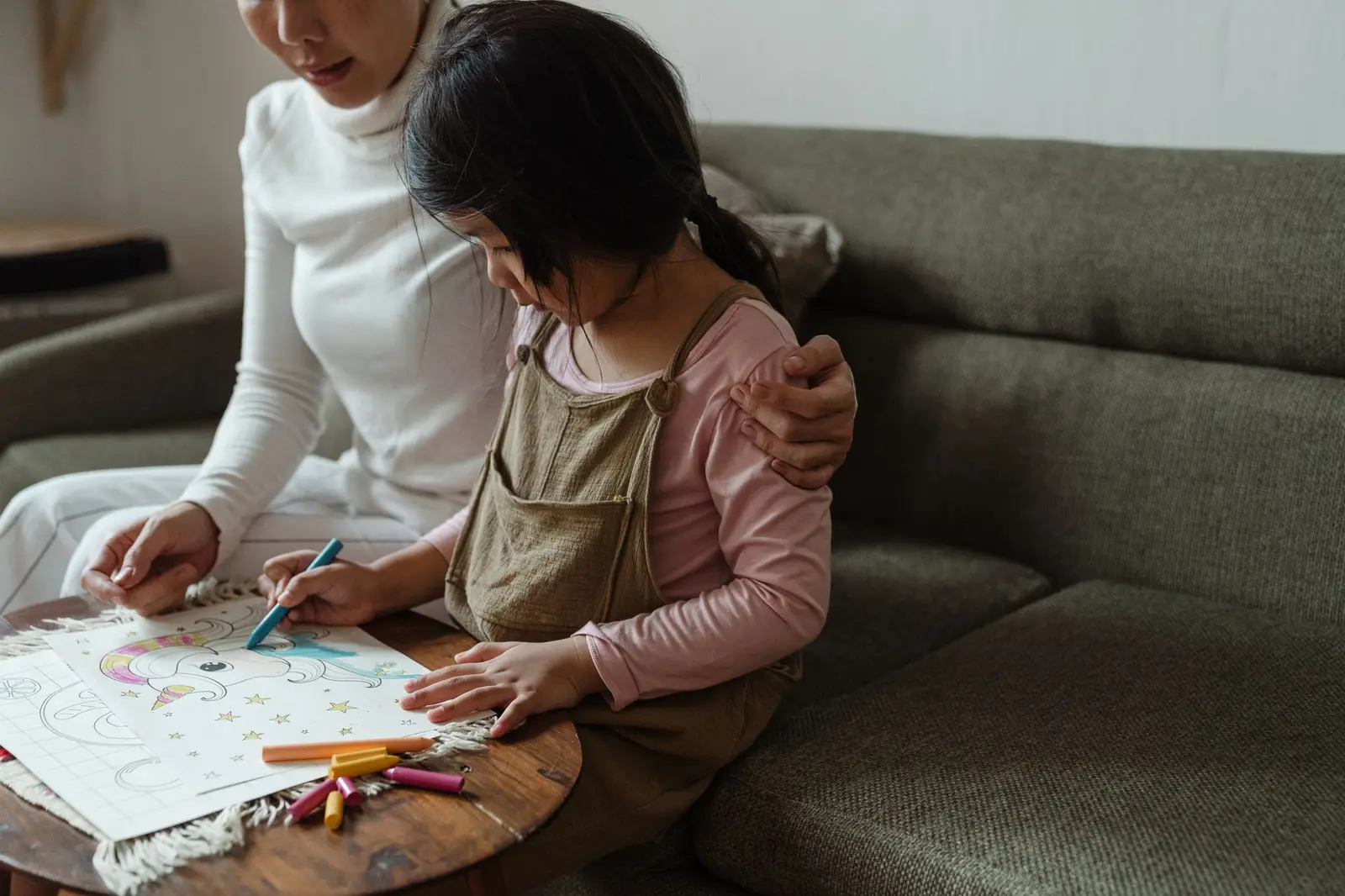
- Publish a visual story with photos.
- Offer relaxed or quiet sessions.
- Mark quiet spaces on a sensory map.
- Train staff and ask families for feedback.
What small changes help most?
| Change | Why it helps |
|---|---|
| Visual story | Families can prepare and know what to expect |
| Relaxed sessions | Lower sound and light, freedom to move |
| Sensory map | Shows loud areas and quiet spaces |
| Queue options | Waiting is often very hard |
| Staff training | Patience, clear language, flexibility |
A visual story works like a social narrative, describing a situation simply and positively.1 Visual supports help many autistic people know what to expect.2
How do we train staff?
Try
- Short, practical training
- Clear, literal language
- Letting families leave and return
Skip
- Asking families to 'control' a child
- Sudden announcements or alarms
- Strict no-re-entry rules
What can we do next?
0 of 3 done