Skip to content
the autism kit
Guide

How do dentists, doctors and hairdressers make visits autism friendly?

Preparation, visual steps, sensory adjustments, pacing and follow-up that make appointments easier.

By The Autism Kit teamUpdated Sep 27, 2026 · 1 min read
Listen to this articleAbout 1 min
Read aloud · speed
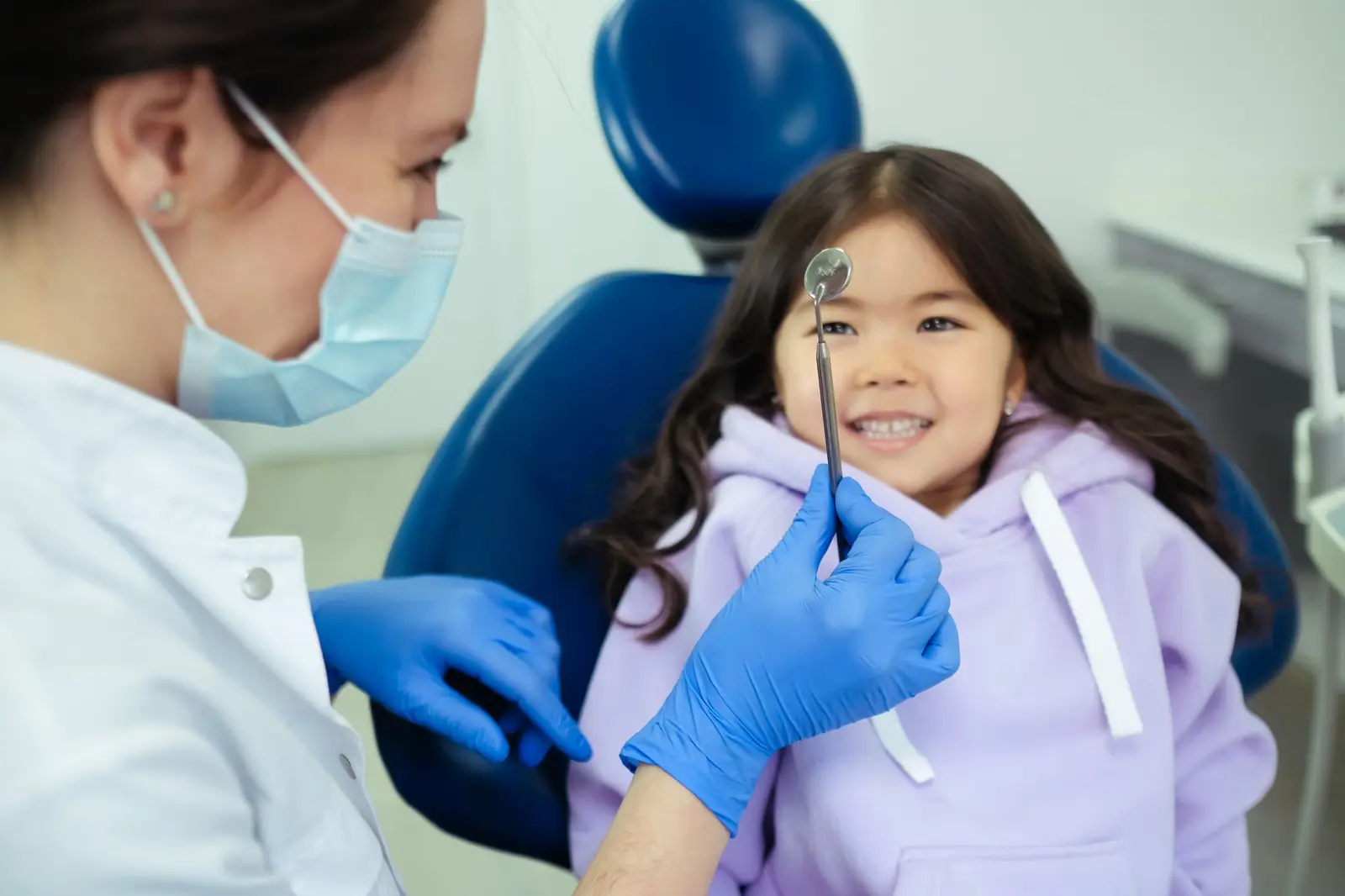
A smiling girl in a dental chair while a dentist holds a mirror
Photo: Nadezhda Moryak on Pexels
The short answer

Share photos or a short visual guide before the visit, offer quiet appointment times, and ask families what helps. During the visit, show each step with pictures or a first-then board, explain before touching, reduce noise and bright light where you can, and allow breaks. Short practice visits can build familiarity. Paediatric dentistry guidance supports individualised care for patients with special health care needs.

Key takeaways
  • Prepare with photos or a visual guide.
  • Show each step with pictures or first-then.
  • Explain before touching; reduce noise and light.
  • Offer practice visits and breaks.

How can families prepare?

Send photos of the building, room and staff, or a short visual story. Ask families about communication, sensory triggers and what helps. Offer the first or last appointment of the day, when it's quieter.

What helps during the visit?

Try
  • Showing each step with pictures
  • First-then: first check teeth, then sticker
  • Counting down with a visual timer
  • Breaks when needed
Skip
  • Touching without warning
  • Rushing
  • Loud, crowded waiting rooms

Visual supports help autistic children understand what's happening and what comes next.2 Paediatric dentistry guidance supports individualised approaches for patients with special health care needs.1

What about haircuts?

Use the same steps: preparation, a visual sequence (wash, cut, dry, finished), quieter clippers or scissors, a cape the child tolerates, and short sessions if needed.

What can we do next?

0 of 3 done

Common questions

Short visits just to see the room, sit in the chair and meet staff, without treatment.

Sources

  1. American Academy of Pediatric Dentistry: Management of dental patients with special health care needs. aapd.org
  2. AFIRM (UNC Frank Porter Graham): Visual supports evidence-based practice brief. afirm.fpg.unc.edu

This guide shares general information and our team's perspective, based on the sources above. Rules and services differ by country, region and school, so always check your local guidance and your organisation's policies. How we write our guides.

Was this guide helpful?
Share this guide with someone who'd find it useful
Listen

One small, useful tip a week

Practical ideas built on evidence-based practices, plus a free printable to start. Unsubscribe anytime.

We never sell or share your email.