Skip to content
the autism kit
Guide

How do support workers use visual supports with autistic children?

Which visual supports to use, how to introduce them, and how to stay consistent with the family and therapists.

By The Autism Kit teamUpdated Sep 27, 2026 · 1 min read
Listen to this articleAbout 1 min
Read aloud · speed
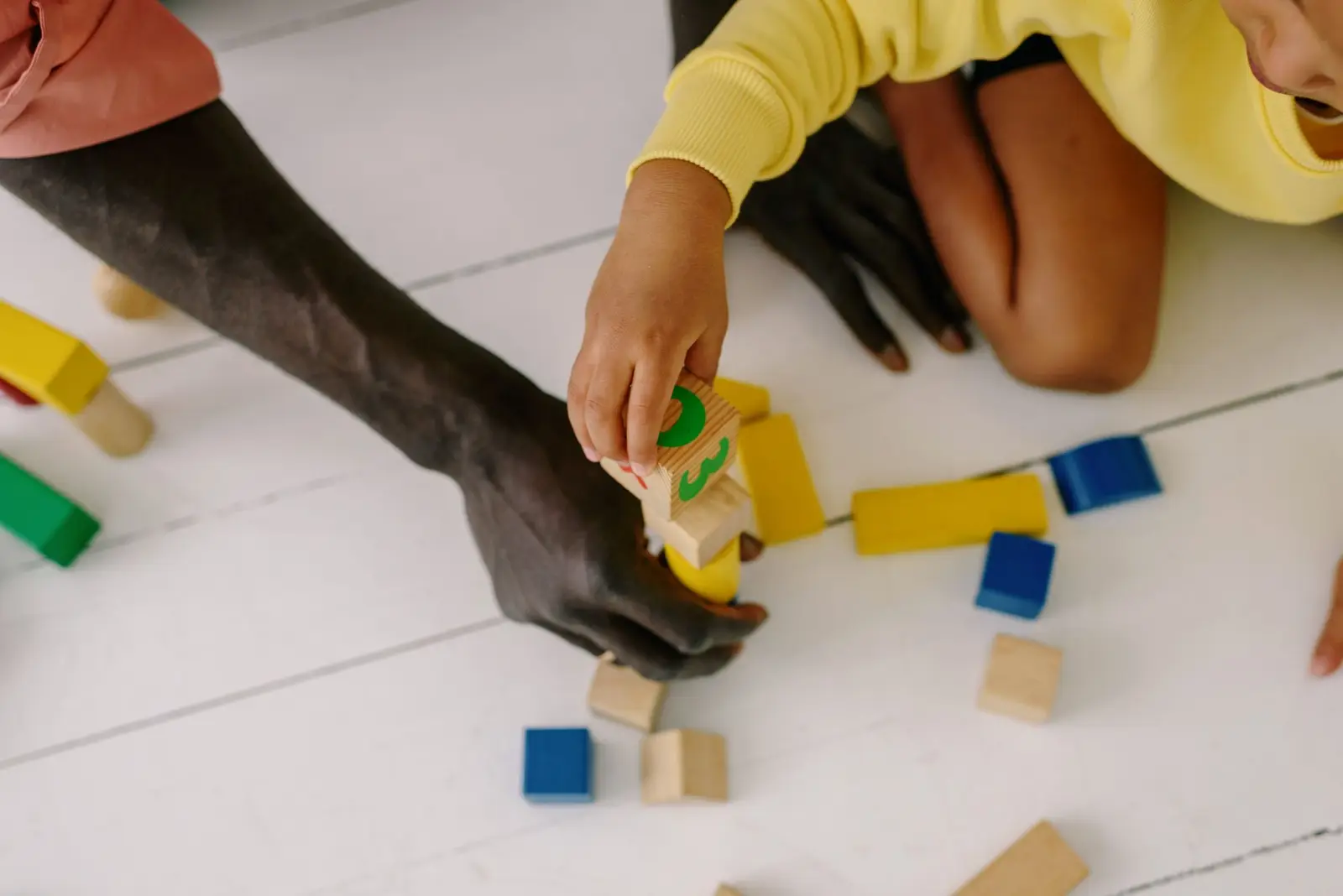
An adult and a child building with colourful wooden blocks on the floor
Photo: Ksenia Chernaya on Pexels
The short answer

Support workers can use visual supports, like a visual schedule for the outing, a first-then board for transitions and a choice board for activities, to make time together predictable and less stressful. The key is consistency: use the same pictures and words the family and therapists use, introduce supports when the child is calm, and follow any behaviour support plan.

Key takeaways
  • Use visual schedules, first-then boards and choice boards.
  • Stay consistent with the family and therapists.
  • Introduce supports when the child is calm.
  • Follow any behaviour support plan.

Which visual supports help most?

Visual supports for support workers
SupportUse it for
Visual scheduleShowing the plan for a shift or outing
First-then boardMoving from something fun to something needed
Choice boardChoosing activities or snacks
Break cardA clear way to ask for a break

Visual supports are an evidence-based practice for autistic children and young people.1

How do I introduce them?

  1. Ask the family which pictures and words they use.
  2. Show, then say: point to the picture and use a few words.
  3. Keep it short: start with two or three steps.
  4. Follow through: when "first" is done, "then" happens.

How do I stay consistent?

Try
  • Using the family's words and pictures
  • Asking therapists which strategies to reinforce
  • Writing a short note after each shift
Skip
  • Changing the system without telling the family
  • Using visual supports as threats
  • Removing preferred items as punishment
Free printable: first-then boardPDF · 2 pages · two large picture slots, plus cards to cut out
Download Free printable: first-then board

What can I try on my next shift?

0 of 3 done

Common questions

Ask the family first. Using the same pictures and words they already use is usually best.

Sources

  1. AFIRM (UNC Frank Porter Graham): Visual supports evidence-based practice brief. afirm.fpg.unc.edu
  2. Autism CRC: Supporting autistic children national guideline. autismcrc.com.au

This guide shares general information and our team's perspective, based on the sources above. Rules and services differ by country, region and school, so always check your local guidance and your organisation's policies. How we write our guides.

Was this guide helpful?
Share this guide with someone who'd find it useful
Listen

One small, useful tip a week

Practical ideas built on evidence-based practices, plus a free printable to start. Unsubscribe anytime.

We never sell or share your email.