Skip to content
the autism kit
Guide

How can I help my autistic child get dressed on their own?

Picture steps in order, clothes laid out in sequence, comfy fabrics and backward chaining to build independence.

By The Autism Kit teamUpdated Sep 28, 2026 · 1 min read
Listen to this articleAbout 1 min
Read aloud · speed
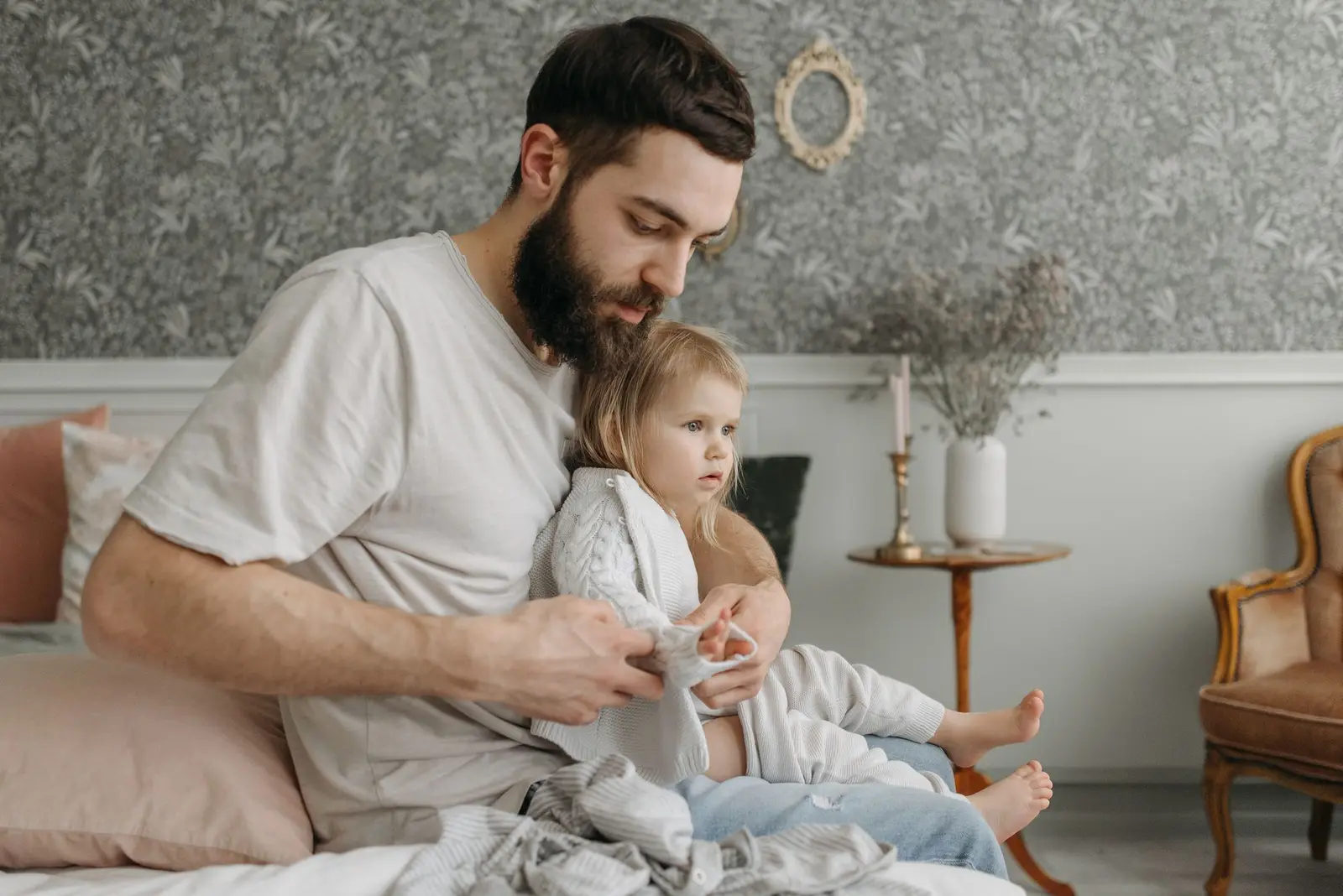
A father helping his young daughter get dressed on a bed
Photo: Pavel Danilyuk on Pexels
The short answer

Break dressing into small picture steps (underwear, pants, shirt, socks, shoes), lay clothes out in that order, and choose soft, tag-free clothes. Teach one step at a time, often starting with the last step so your child finishes on success (backward chaining). Give only as much help as needed, and fade it over time.

Key takeaways
  • Break dressing into picture steps.
  • Lay clothes out in order.
  • Choose soft, tag-free clothes.
  • Try backward chaining to build independence.

Why is getting dressed hard?

Dressing has many steps, needs coordination, and involves fabrics that can feel uncomfortable. Breaking a skill into small steps (task analysis) and showing them with pictures are both evidence-based strategies.12

What order works?

A simple dressing sequence
StepPictureTip
1UnderwearTag-free, seamless if possible
2PantsElastic waist is easier
3ShirtMark the back with a dot
4SocksSeamless socks help
5ShoesVelcro or slip-ons

How do I teach it?

  1. Lay clothes out in order, left to right.
  2. Show the picture for each step.
  3. Help with most steps, and let your child finish the last one.
  4. Praise each finished step.
  5. Hand over one more step when the last one is easy.

Read more: What is sensory overload?

Free printable: 5-step morning schedulePDF · 2 pages · pictures for common steps, plus blank cards
Download Free printable: 5-step morning schedule

What can I try this week?

0 of 3 done
Common questions

You do all the steps except the last one, which your child does. When they can do it, they do the last two, and so on.

Sources

  1. AFIRM (UNC Frank Porter Graham): Visual supports evidence-based practice brief. afirm.fpg.unc.edu
  2. National Clearinghouse on Autism Evidence and Practice: Research and resources (task analysis). ncaep.fpg.unc.edu

This guide shares general information and our team's perspective, based on the sources above. Every child is different, so please talk with your child's doctor or care team about what's right for your family. How we write our guides.

Was this guide helpful?
Share this guide with someone who'd find it useful
Listen

One small, useful tip a week

Practical ideas built on evidence-based practices, plus a free printable to start. Unsubscribe anytime.

We never sell or share your email.