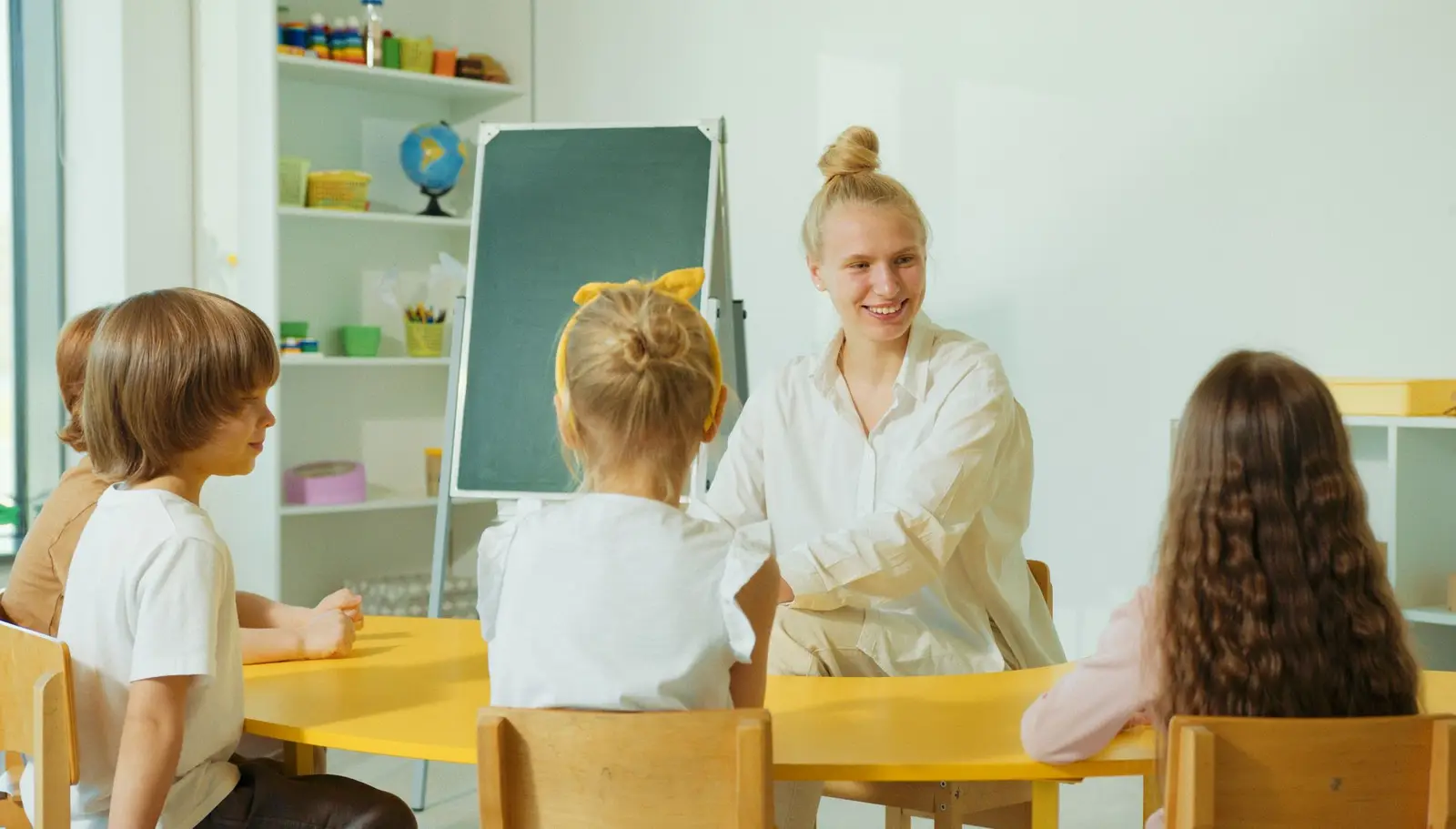
- Follow the EYFS and the SEND Code of Practice graduated approach.
- Use visual routines, follow interests and value all communication.
- No diagnosis is needed for SEN support.
- Work with families and support referrals when needed.
What does good support look like in the early years?
- Predictable routines with a visual timetable and now-and-next board
- Warnings before changes, with a timer or song
- Following the child's interests and joining their play
- Supporting all communication: gestures, pictures, signs and words
- A calm space and fewer transitions where possible
The EYFS statutory framework sets the standards all early years providers must meet.1
How does SEN support work in the early years?
The SEND Code of Practice expects early years providers to identify needs early and use a graduated approach: assess, plan, do, review, with parents involved throughout.2 The setting's SENCO coordinates this.
How do I talk with families about concerns?
- Start with strengths: what the child enjoys and does well.
- Share specific observations from the setting.
- Explain what you're already doing and what's helping.
- Suggest next steps: the health visitor, GP, or a referral route.3
What helps during the day?
Try
- A visual timetable at child height
- Now-and-next boards for transitions
- Offering a quiet spot during busy times
- Sharing pictures with families to use at home
Skip
- Insisting on group time participation
- Insisting on eye contact
- Sudden changes without warning
Free printable: classroom packPDF · 8 pages · timetable, now and next, token board, calm corner, breaks, transitions, story and profile
Download Free printable: classroom packWhat can I try this week?
0 of 3 done