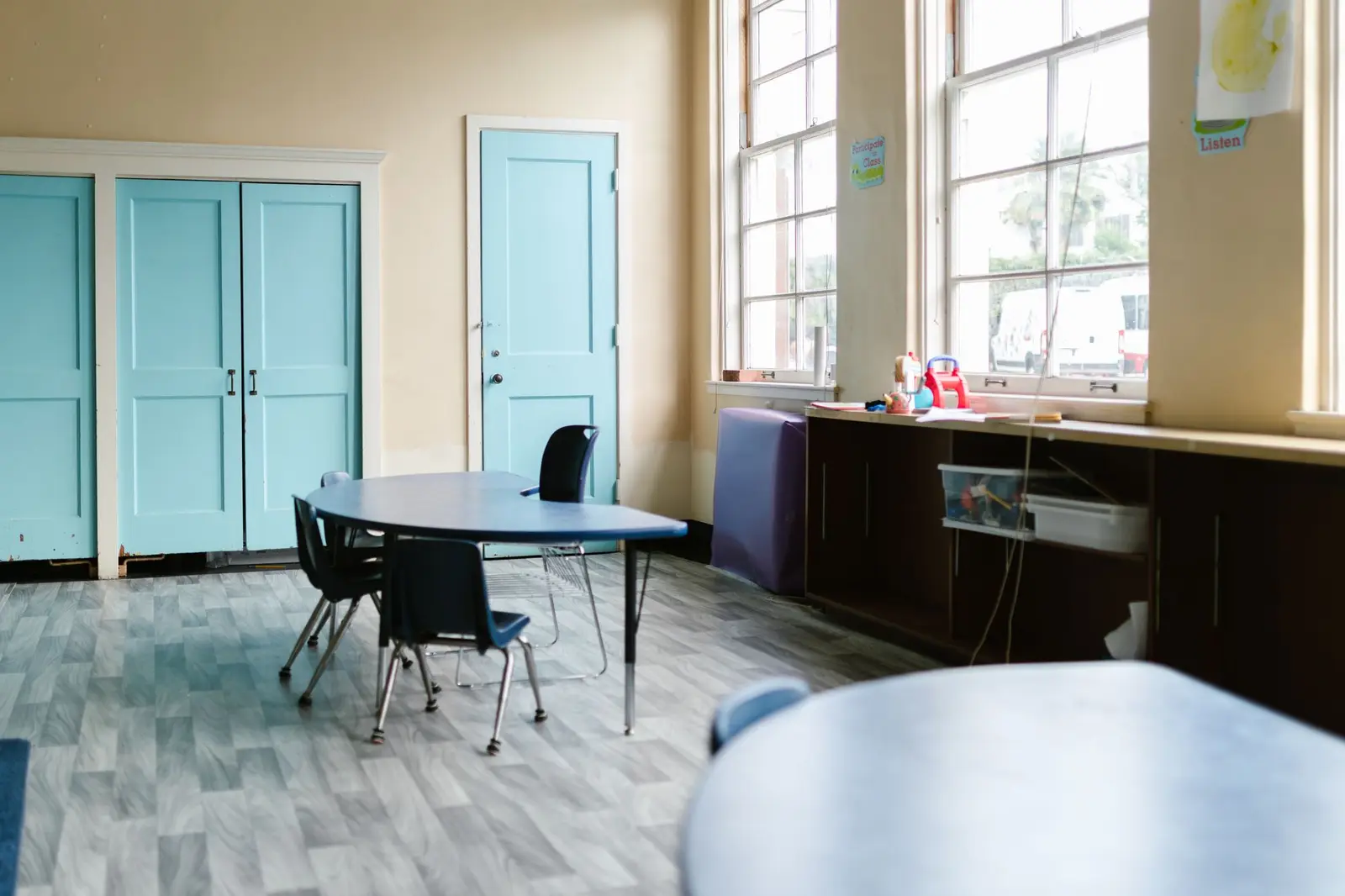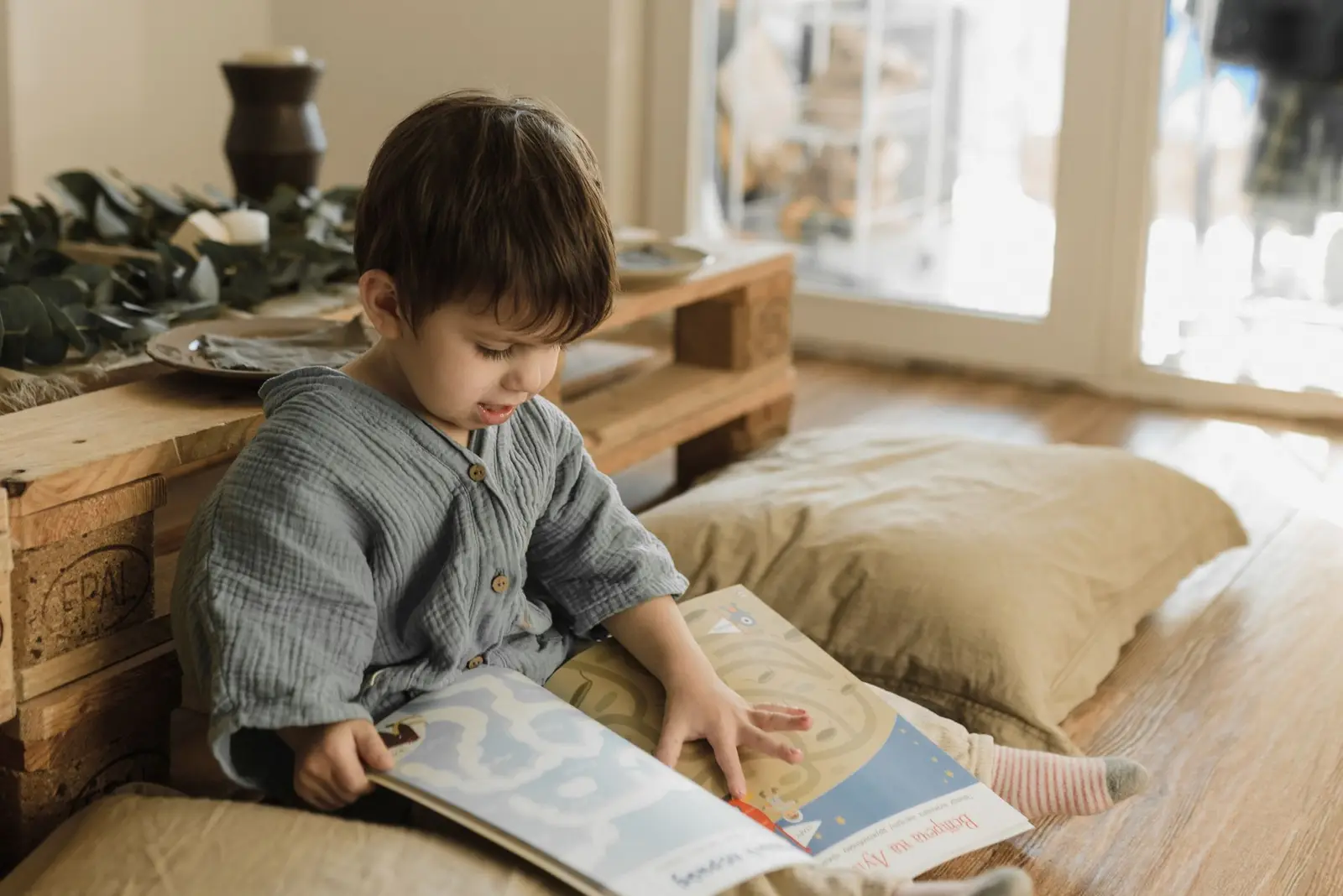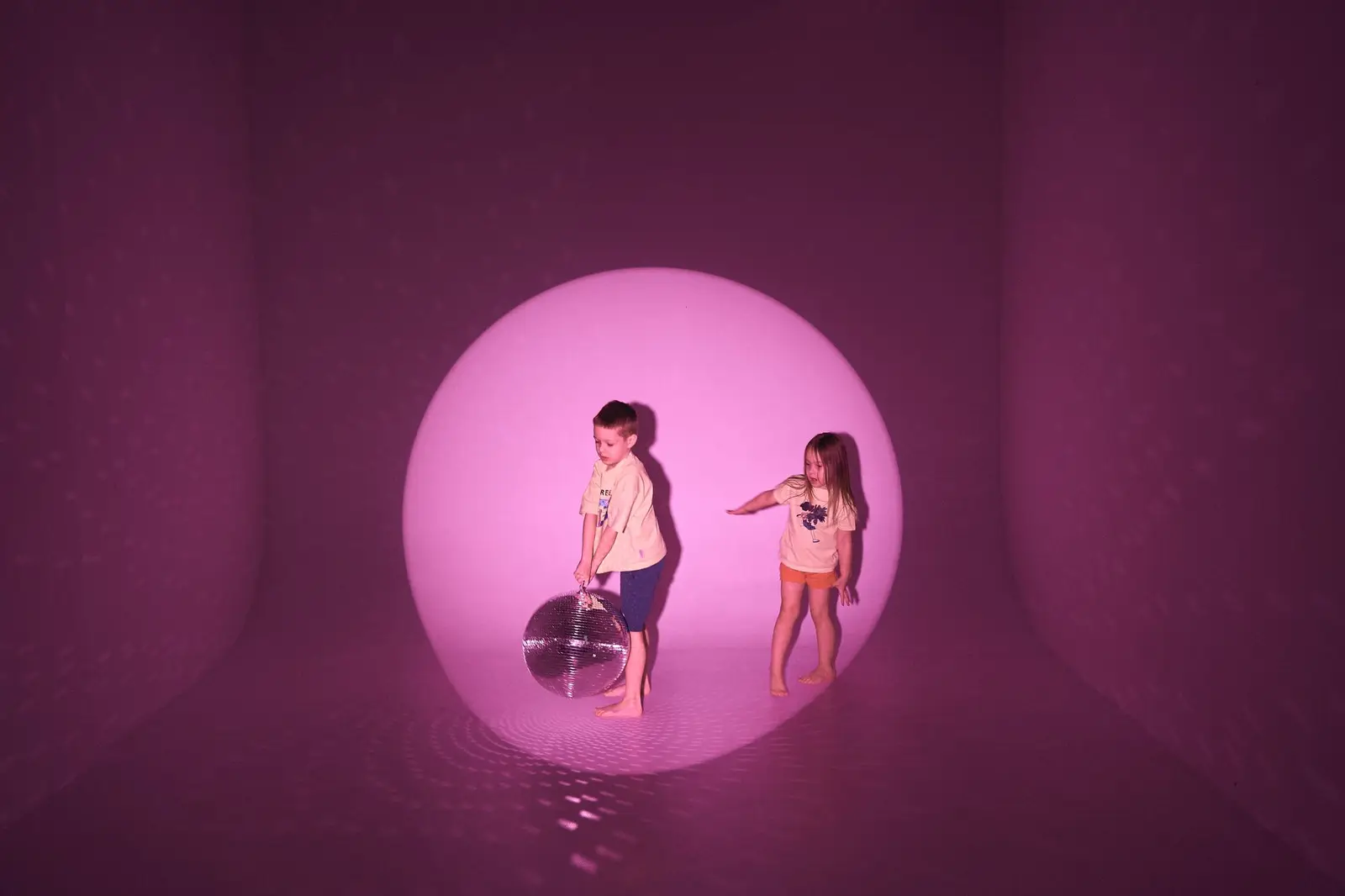
- A sensory space helps students regulate, then return to learning.
- Low-cost setups work well: soft light, seating, headphones.
- Add visual supports: a calm plan, a timer, a "next" card.
- It's support, never punishment.
What is a sensory room for?
A calm, predictable place where a student can lower their stress, then get back to learning. For autistic students who feel noise, light or crowds strongly, it can prevent overload before it becomes a meltdown.
What equipment works on a budget?
| Need | Ideas |
|---|---|
| Calm light | Lamps instead of overhead lights, fairy lights, curtains |
| Comfort | Beanbag, cushions, a small tent or cave |
| Sound | Noise-reducing headphones, soft music |
| Movement | Wobble cushion, rocking chair, stretch cards |
| Touch | Fidgets, textured items, a weighted lap pad if appropriate |
An occupational therapist can advise on sensory needs for specific students.2
How do I make it work?
- Teach it when calm: practise going, using a timer and coming back.
- Add a visual plan: "Calm space, then back to maths."
- Use a timer so the visit has a clear end.
- Keep it tidy and simple: too much stuff can overwhelm.
Visual supports make the routine predictable.1
What mistakes should I avoid?
Try
- Short, planned visits with a timer
- A clear way back into class
- Letting students help choose what goes in
Skip
- Sending students there as a consequence
- Bright, busy decorations
- No adult oversight or safety plan
Free printable: sensory break cardsPDF · 1 page · cards a pupil can show to ask for a break
Download Free printable: sensory break cardsWhat can I set up this week?
0 of 4 done
Read next: What sensory breaks and tools work in a classroom?