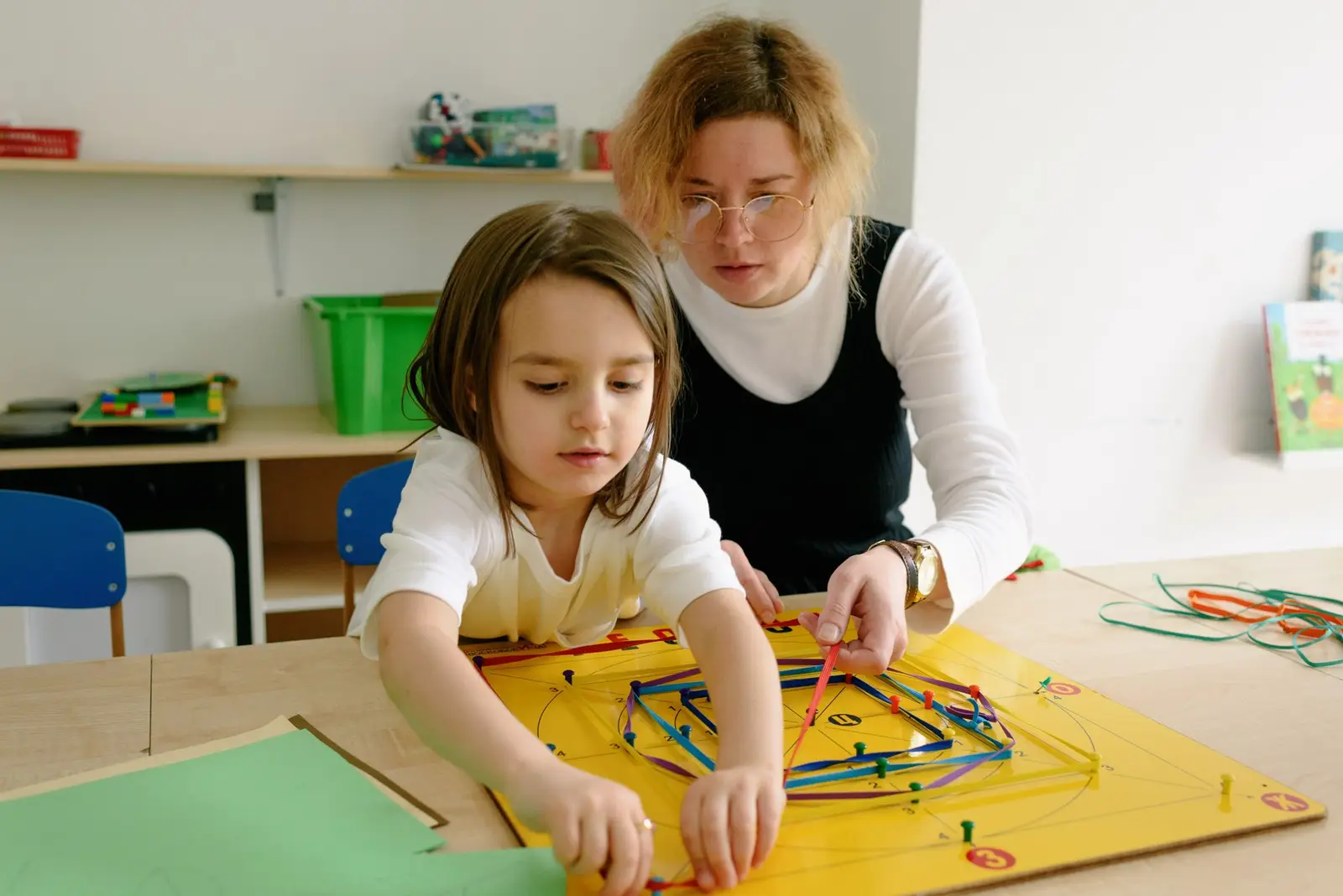
- An RBT delivers ABA services directly to clients.
- RBTs follow plans written by a BCBA or BCaBA and don't practice independently.
- The credential needs age 18+, a high school education, 40 hours of training, a competency assessment and an exam.
- RBTs need supervision for at least 5% of their service hours each month.
What does an RBT do?
RBTs are the people who spend the most time with clients. A typical day might include:3
- Running teaching programs from the client's treatment plan
- Using reinforcement, prompting and naturalistic teaching
- Collecting and graphing data during sessions
- Helping with preference and skill assessments
- Writing session notes and reporting changes to the supervisor
- Building rapport and watching for the client's assent
RBTs usually work in clients' homes, clinics, schools or community settings.
Who supervises an RBT?
A qualified supervisor, usually a BCBA or BCaBA. The BACB requires RBTs to be supervised for at least 5% of the hours they spend providing behavior-analytic services each calendar month, including two face-to-face contacts, at least one of which is individual.2
What are the requirements to become an RBT?
Under the requirements that took effect on January 1, 2026, applicants must:2
- Be at least 18 with a high school-level education or equivalent
- Pass a criminal background check and abuse registry check
- Complete a 40-hour training that meets the 2026 curriculum, in no fewer than 5 and no more than 180 days3
- Complete the RBT Initial Competency Assessment
- Pass the RBT exam through Pearson VUE1
Step-by-step details are in How do I become an RBT?
How do RBTs keep their certification?
Starting in 2026, RBTs move to a 2-year recertification cycle with 12 professional development units (PDUs) per cycle, earned through in-service training, ACE provider events or university coursework.2 See What changed for RBTs in 2026?
What can I do next?
0 of 3 done
Thinking longer term? Read How do I go from RBT to BCBA?