Skip to content
the autism kit
Guide

Can my autistic child get NDIS funding?

How NDIS eligibility works for autism, what the autism levels mean for access, and what's changing with Thriving Kids.

By The Autism Kit teamUpdated Sep 27, 2026 · 2 min read
Listen to this articleAbout 2 min
Read aloud · speed
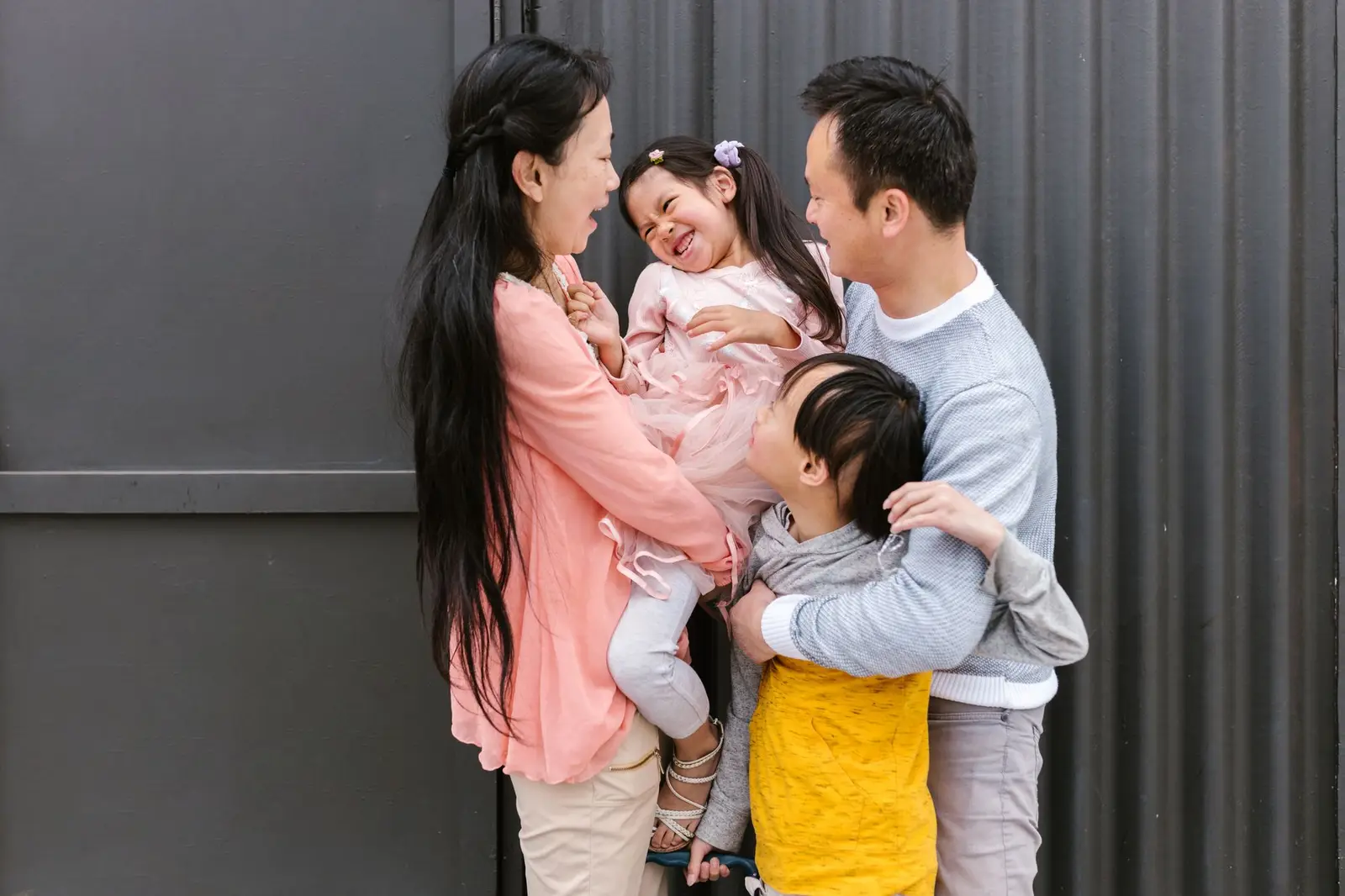
A smiling family hugging together, parents holding two young children
Photo: RDNE Stock project on Pexels
The short answer

Many autistic children can get NDIS funding, but it depends on support needs. Autism diagnosed at level 2 or 3 by a qualified clinician is on the NDIA's List A, which generally meets the disability requirements. At level 1, the NDIS usually needs more evidence about how autism affects daily life. From October 2026, many younger children with lower needs will get support through Thriving Kids instead.

Key takeaways
  • Level 2 or 3 autism is on the NDIA's List A, which generally meets the disability requirements.
  • Level 1 usually needs more evidence of how autism affects daily life.
  • Younger children with lower needs will increasingly use Thriving Kids.
  • Strong evidence from clinicians makes a big difference.

How does NDIS eligibility work for autism?

The NDIS funds reasonable and necessary supports for people with permanent and significant disability, or children who need early intervention.1 The NDIA uses lists to guide access decisions:

  • List A conditions are likely to meet the disability requirements.
  • List B conditions usually need more evidence about functional impact.2

Autism diagnosed by a qualified clinician at level 2 ("requiring substantial support") or level 3 ("requiring very substantial support") is on List A. Autism at level 1 isn't, so the NDIS generally wants evidence about how it affects daily life. See What are the levels of autism?

What evidence do I need?

The NDIS asks for disability evidence from treating professionals, such as a paediatrician, psychologist, occupational therapist or speech pathologist.3 Helpful evidence usually covers:

  • The diagnosis, who made it, and the level
  • How your child manages communication, social interaction, learning, self-care and self-management
  • What supports have been tried and what helped

What's changing with Thriving Kids?

From 1 October 2026, children 8 and under with developmental delay or autism and low to moderate support needs can get support through Thriving Kids, without needing a diagnosis. Governments have agreed in principle to change NDIS access for children from 1 January 2028. Children with high support needs stay eligible for the NDIS.4 See What is Thriving Kids?

Free printable: appointment notesPDF · 2 pages · what you've noticed, plus questions to ask
Download Free printable: appointment notes

What can I do this week?

0 of 3 done

Read next: How do I apply to the NDIS for my autistic child?
Common questions

It can, but not automatically. You'll usually need evidence showing how autism substantially affects daily life, such as reports from your child's clinicians.

Sources

  1. NDIS: How to check your eligibility. ndis.gov.au
  2. NDIS: NDIS and access requirements for autism (List A and List B). ndis.gov.au
  3. NDIS: What are examples of disability evidence. ndis.gov.au
  4. NDIS: Thriving Kids (5 February 2026). ndis.gov.au

This guide shares general information and our team's perspective, based on the sources above. Every child is different, so please talk with your child's doctor or care team about what's right for your family. How we write our guides.

Was this guide helpful?
Share this guide with someone who'd find it useful
Listen

One small, useful tip a week

Practical ideas built on evidence-based practices, plus a free printable to start. Unsubscribe anytime.

We never sell or share your email.