Skip to content
the autism kit
Guide

What chores can autistic kids do, and how do I teach them?

Age-by-age chore ideas, picture steps, and building independence through small, real jobs.

By The Autism Kit teamUpdated Sep 28, 2026 · 1 min read
Listen to this articleAbout 1 min
Read aloud · speed
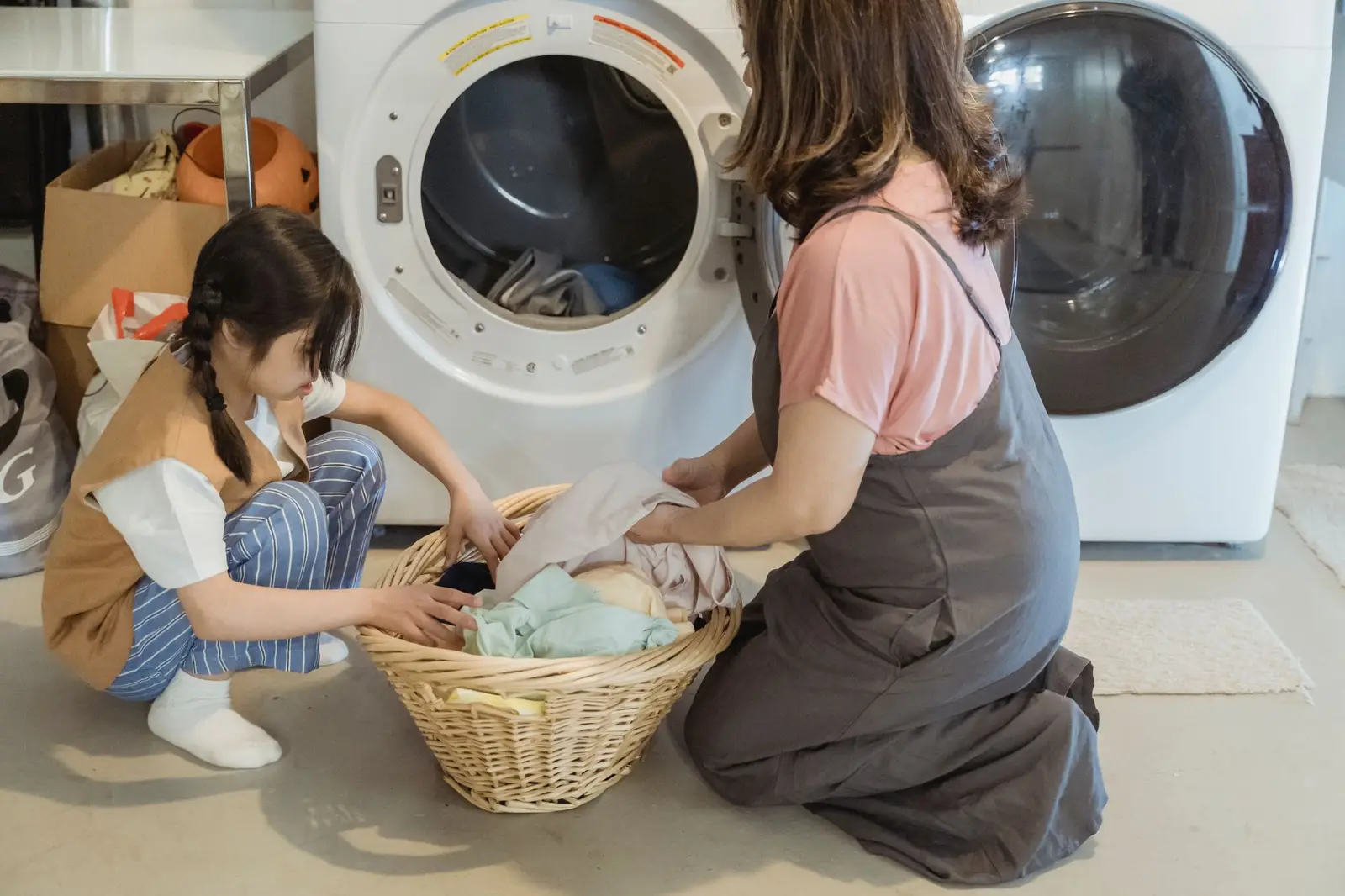
A mother and daughter sorting laundry by a washing machine
Photo: Nicola Barts on Pexels
The short answer

Chores build independence and confidence. Choose jobs that fit your child's age and interests (putting toys in a bin at 2, feeding a pet at 5, sorting laundry at 8), break each one into picture steps, teach one step at a time, and praise effort. A chore chart or token board shows progress. Many autistic children enjoy jobs with a clear finish, like matching socks.

Key takeaways
  • Chores build independence and confidence.
  • Pick jobs that fit your child's age and interests.
  • Break each job into picture steps.
  • Jobs with a clear finish work well.

Which chores fit each age?

Chore ideas by age
AgeIdeas
2 to 3Toys in a bin, shoes by the door, napkins on the table
4 to 6Feed a pet, match socks, wipe the table, water plants
7 to 9Sort laundry, set the table, unload cutlery, make the bed
10 to 12Fold laundry, simple cooking, take out recycling

How do I teach a chore?

  1. Break it into steps with pictures (task analysis).1
  2. Show the steps where the job happens.2
  3. Do it together first.
  4. Step back a little each time.
  5. Praise effort, not perfection.
Try
  • Jobs linked to your child's interests
  • The same time each day
  • A chart to show progress
Skip
  • Redoing your child's work in front of them
  • Too many chores at once
Free printable: 5-star token chartPDF · 1 page · earn stars toward something they love
Download Free printable: 5-star token chart

What can I try this week?

0 of 3 done

Common questions

Some families use tokens or small rewards, especially at first. Others treat chores as part of family life. Both work.

Sources

  1. National Clearinghouse on Autism Evidence and Practice: Research and resources (task analysis). ncaep.fpg.unc.edu
  2. AFIRM (UNC Frank Porter Graham): Visual supports evidence-based practice brief. afirm.fpg.unc.edu

This guide shares general information and our team's perspective, based on the sources above. Every child is different, so please talk with your child's doctor or care team about what's right for your family. How we write our guides.

Was this guide helpful?
Share this guide with someone who'd find it useful
Listen

One small, useful tip a week

Practical ideas built on evidence-based practices, plus a free printable to start. Unsubscribe anytime.

We never sell or share your email.