- First a task, then something motivating.
- Keep "first" short to begin with.
- Let the student help choose the "then".
- Always follow through.
When does a first-then board help?
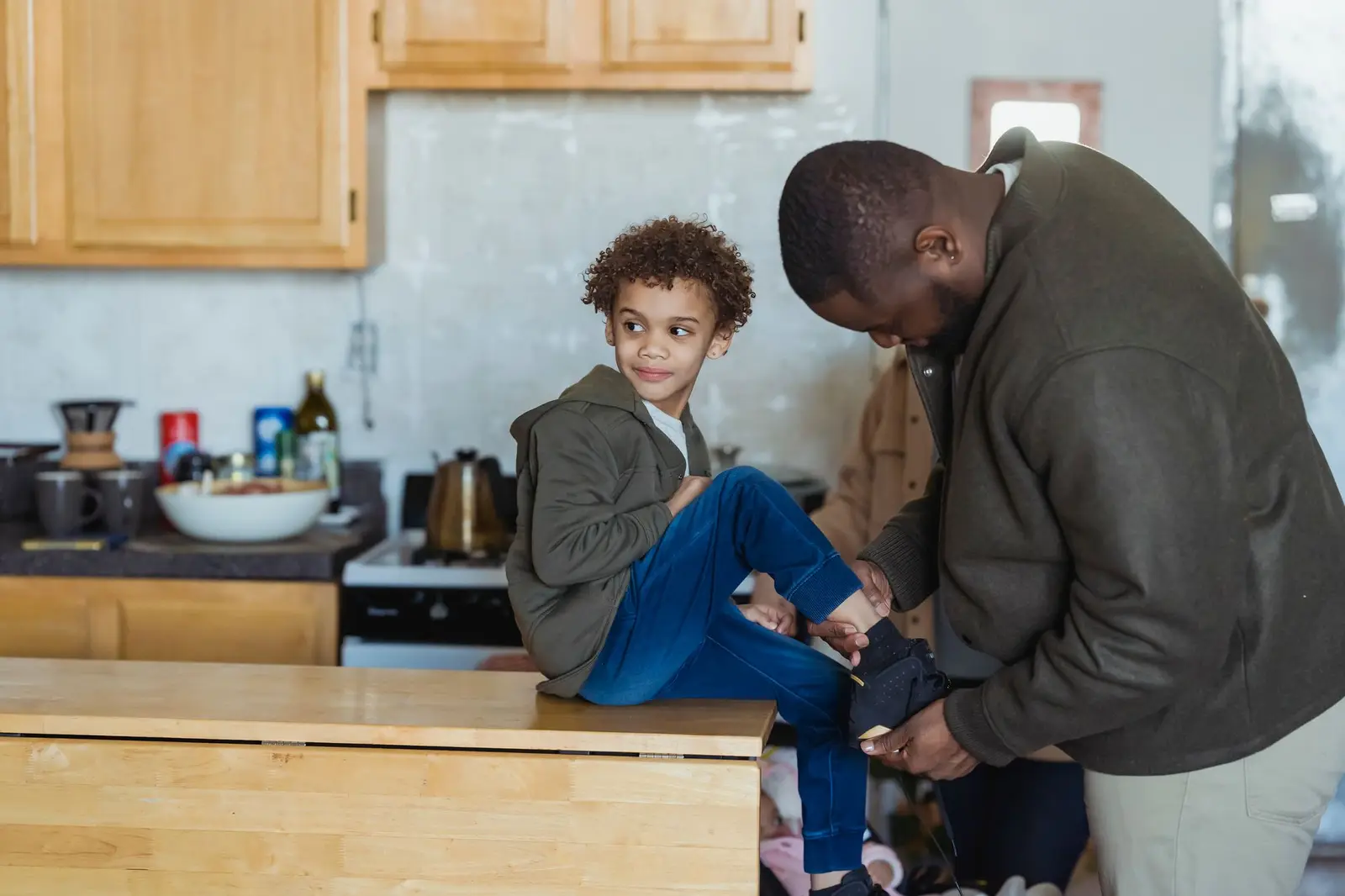
- Starting a non-preferred task, like writing
- Moving from a favorite activity to something else
- Waiting, like "first line up, then recess"
The idea of following a less-preferred activity with a more-preferred one comes from early reinforcement research.1 Visual supports make it concrete.2
How do I use it?
- Choose the "then" with the student, from two options.
- Show the board and say it simply: "First math, then Lego."
- Keep "first" achievable: three problems, not thirty.
- Follow through immediately when "first" is done.
How do I fade it?
- Gradually make "first" longer
- Add a second task: "first, next, then"
- Move to a full visual schedule
What should I avoid?
Try
- Short, achievable first tasks
- A 'then' the student chooses
- Using it the same way every time
Skip
- Changing the 'then' after the task
- Using it as a threat
- Making 'first' longer too fast
Free printable: first-then boardPDF · 2 pages · two large picture slots, plus cards to cut out
Download Free printable: first-then boardWhat can I try this week?
0 of 3 done
For families: How do first-then boards work at home?