Skip to content
the autism kit
Guide

How do I wash my autistic child's hair without a meltdown?

Keeping water off the face, gentler products, counting, and small steps that build tolerance.

By The Autism Kit teamUpdated Sep 28, 2026 · 1 min read
Listen to this articleAbout 1 min
Read aloud · speed
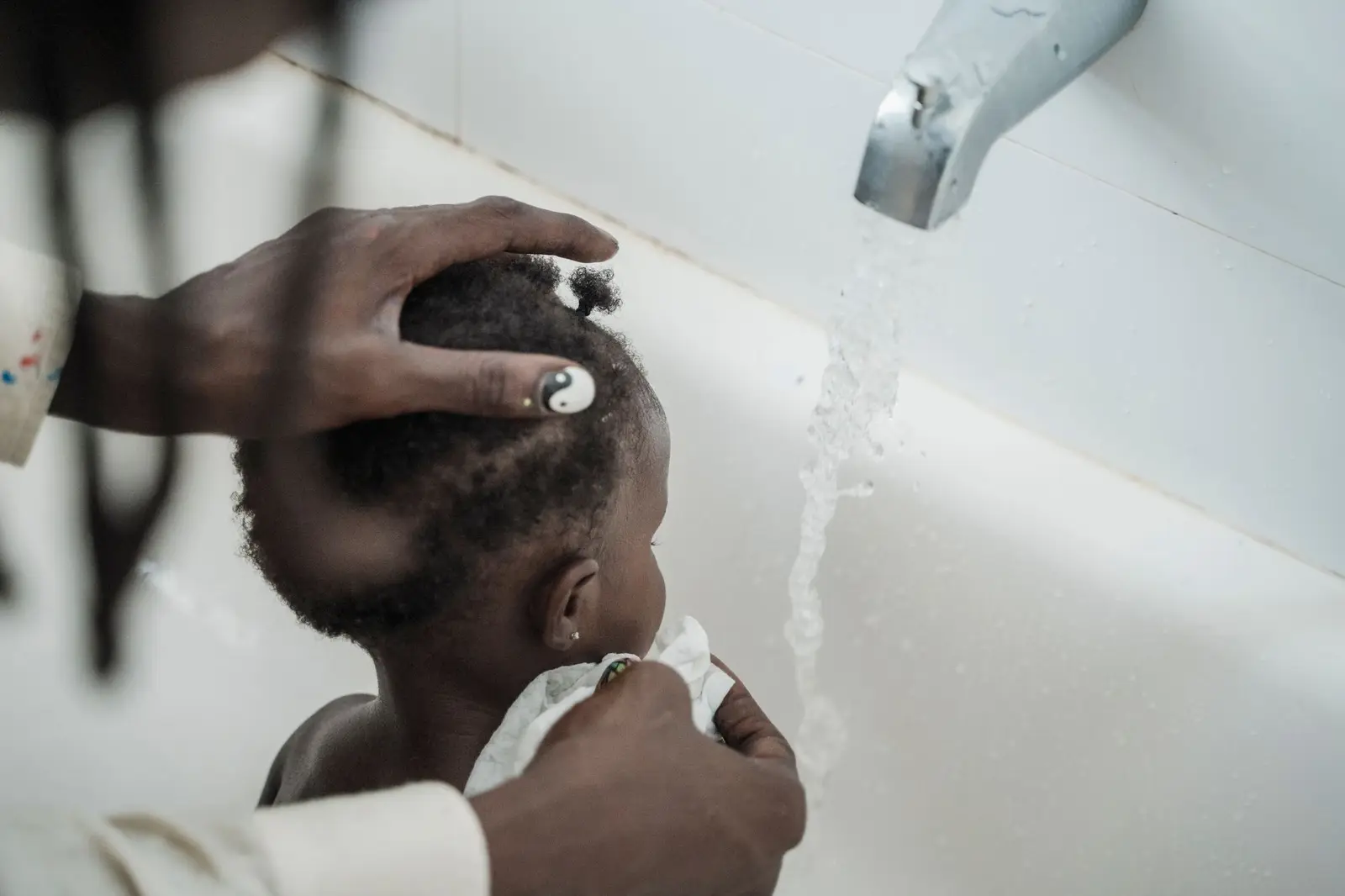
A parent washing a toddler's hair under a running bath tap
Photo: Sasha Kim on Pexels
The short answer

Hair washing is hard for many autistic children because of water on the face, tipping the head back, and the feel of fingers on the scalp. Keep water off the face with a bath visor or a cup and a dry washcloth over the eyes, count out loud so the end is clear, use mild, no-tears products, and wash hair less often if needed. Build up in small steps.

Key takeaways
  • Keep water off the face.
  • Count out loud so there's a clear end.
  • Use mild, no-tears products.
  • Build up in small steps.

What makes hair washing hard?

Water running over the face, tipping the head back, and the feeling of fingers on the scalp can all be intense. Children often don't know how long it will last.

What helps?

Try
  • A bath visor or a dry washcloth over the eyes
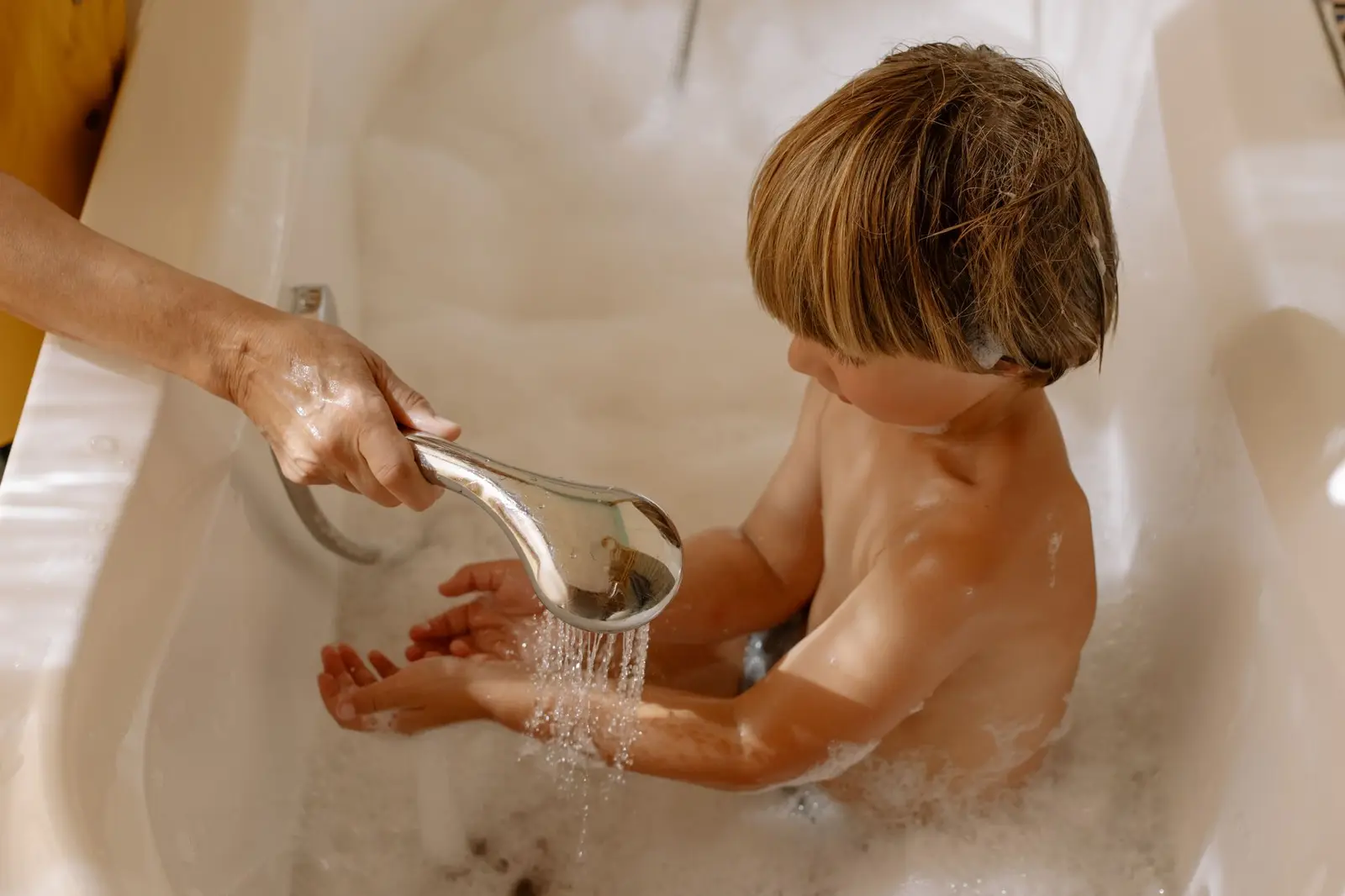
  • A cup or jug instead of the shower
  • Counting to 10 for each rinse
  • Firm, steady pressure instead of light scratching
Skip
  • Pouring water without warning
  • Strong-smelling shampoo
  • Holding your child down

What steps work?

  1. Show pictures: wet, shampoo, rub, rinse, towel.1
  2. Let your child hold the washcloth over their eyes.
  3. Count out loud during each step.
  4. Rinse with a cup, pouring from the forehead back.
  5. First hair, then a favourite bath toy.

An occupational therapist can help if touch or water feels overwhelming.2

Free first-then printablePDF · 1 page · two large picture slots
Download Free first-then printable

What can I try this week?

0 of 3 done

Read next: How can I make bath time easier?
Common questions

For many young children, once or twice a week is enough. Ask your doctor if you're unsure.

Sources

  1. AFIRM (UNC Frank Porter Graham): Visual supports evidence-based practice brief. afirm.fpg.unc.edu
  2. American Occupational Therapy Association: What is occupational therapy? aota.org

This guide shares general information and our team's perspective, based on the sources above. Every child is different, so please talk with your child's doctor or care team about what's right for your family. How we write our guides.

Was this guide helpful?
Share this guide with someone who'd find it useful
Listen

One small, useful tip a week

Practical ideas built on evidence-based practices, plus a free printable to start. Unsubscribe anytime.

We never sell or share your email.