- Early intervention helps with communication, play, daily living and wellbeing.
- The national guideline says supports should be child- and family-centred, strengths-focused and neurodiversity-affirming.
- Find it through the early childhood approach, Thriving Kids and allied health.
- Parents are part of the team.
What does good early intervention look like?
Australia's National Guideline for supporting autistic children, approved by the NHMRC in December 2022, recommends supports that are child- and family-centred, strengths-focused, culturally responsive, evidence-based, and neurodiversity- and family-affirming. Practitioners should work in partnership with families and individualise supports.1
In practice, that often means:
- Goals you set together, based on what matters in daily life
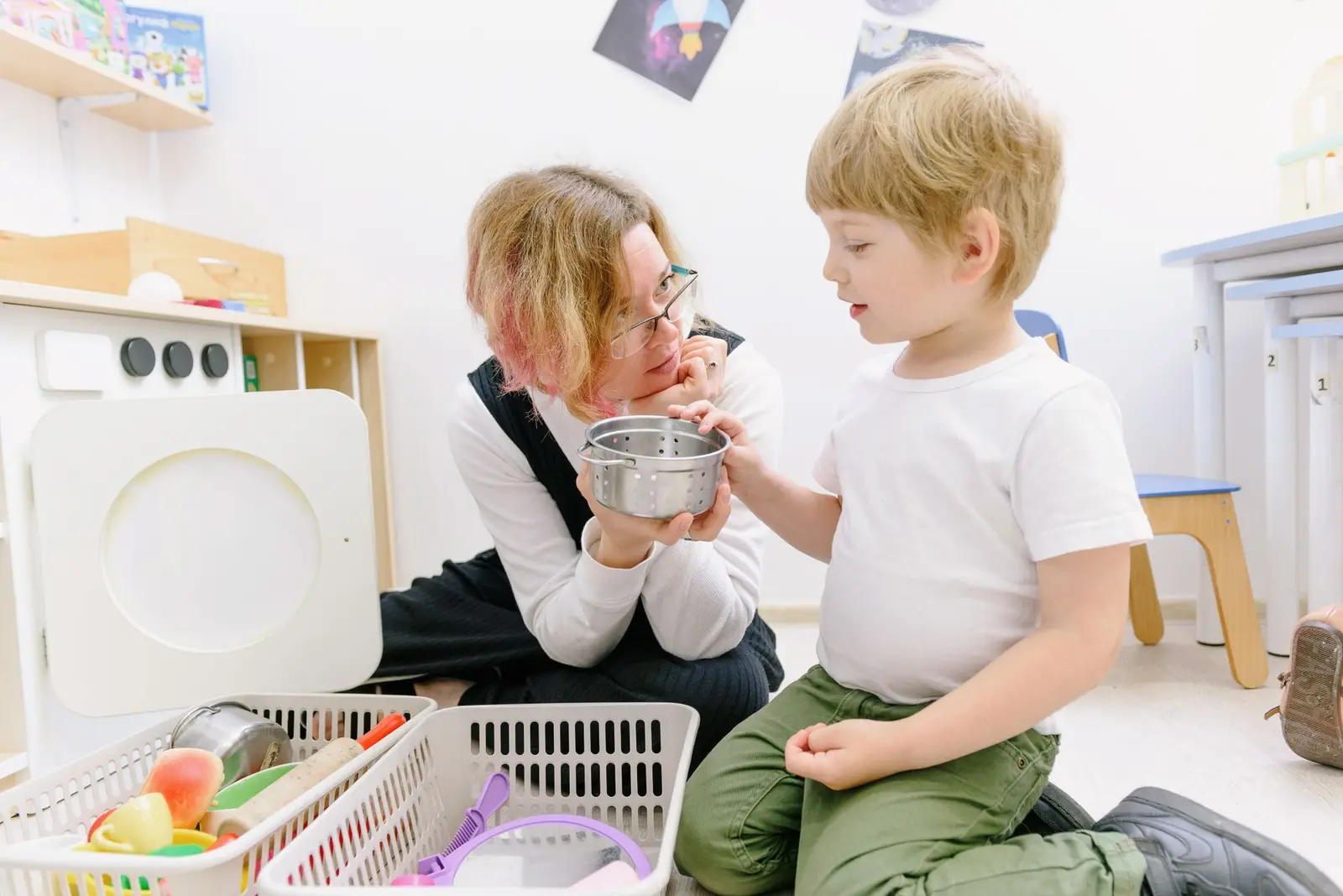
- Support during everyday routines like meals, play and getting ready
- Coaching for parents so strategies carry over at home
- Regular checking of progress and adjusting the plan
Where can I find early intervention?
- NDIS early childhood approach for children younger than 92
- Thriving Kids from 1 October 2026 for children 8 and under with low to moderate needs3
- Allied health: speech pathologists, occupational therapists, psychologists
- Early childhood education and care: kindergarten and childcare staff can support goals too
What can families do at home?
Try
- Picture routines for hard parts of the day
- First-then boards for transitions
- Following your child's interests in play
- Offering choices with pictures
Skip
- Programs promising to 'fix' or 'recover' a child
- Expensive products without evidence
Free printable: starter packPDF · 3 pages · morning schedule, first-then board and 5-star token chart
Download Free printable: starter packWhat can I do this week?
0 of 3 done
Read next: What is the NDIS early childhood approach?