Skip to content
the autism kit
Guide

How do I prepare my autistic child for shots and needles?

Honest preparation, numbing cream, comfort positions, distraction, and what to ask the nurse.

By The Autism Kit teamUpdated Sep 28, 2026 · 1 min read
Listen to this articleAbout 1 min
Read aloud · speed
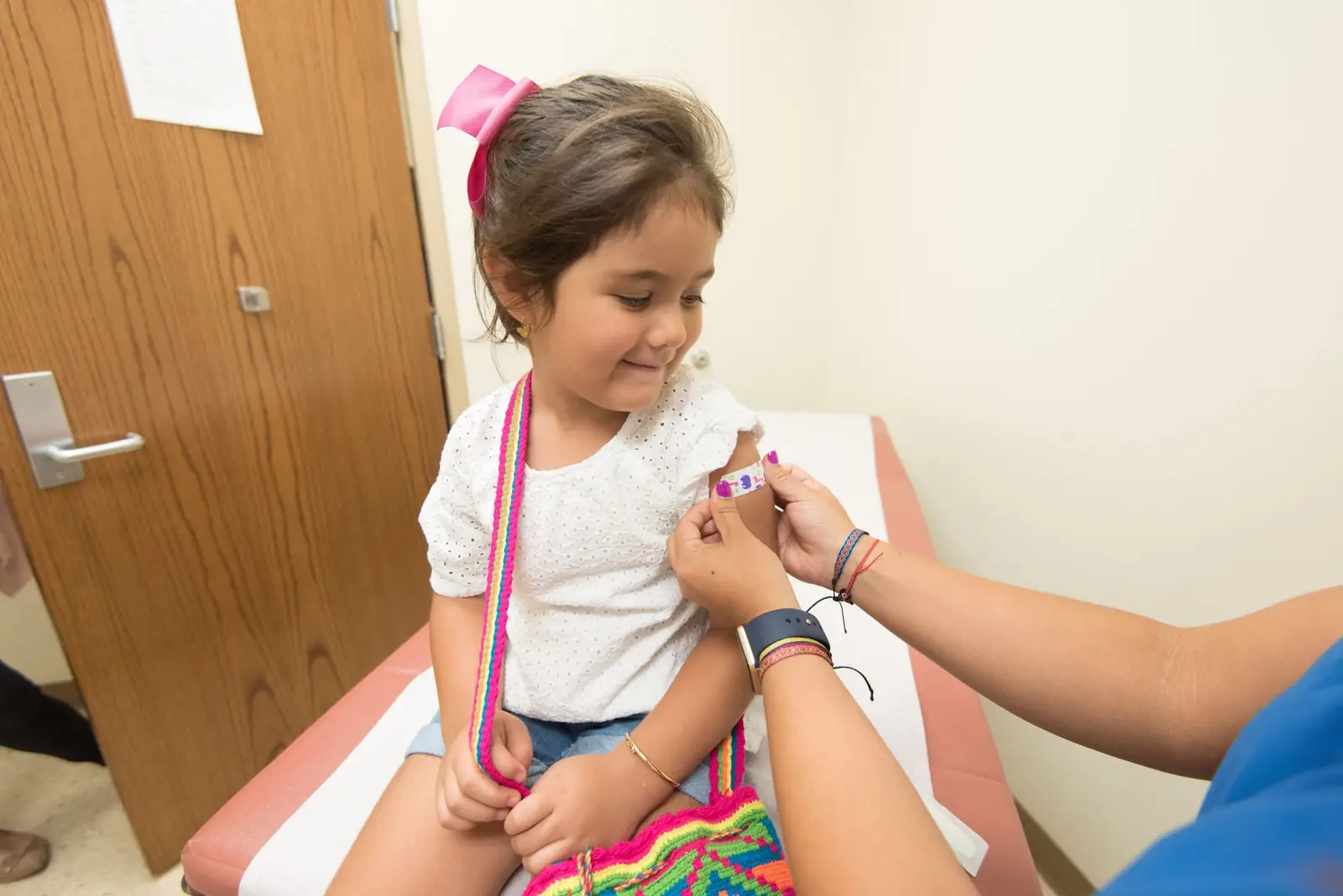
A nurse putting a bandage on a girl's arm after a vaccination
Photo: CDC on Pexels
The short answer

Tell your child honestly and simply what will happen, close to the time (a day before for many young children). Ask your doctor about numbing cream, hold your child in a comforting, upright position, use distraction like a video or bubbles, and keep it quick. Show first-then: "First shot, then treat." Clinical guidance supports these steps to reduce pain for children.

Key takeaways
  • Prepare honestly and simply.
  • Ask about numbing cream.
  • Hold your child upright and close.
  • Use distraction and first-then.

What does the research suggest?

A clinical practice guideline on vaccine pain recommends things like sitting upright, holding young children, distraction and numbing creams.1

How do I prepare my child?

  1. Tell them simply: "The nurse will give a quick poke in your arm. Then a sticker."
  2. Use a short story with photos.2
  3. Practise with a toy doctor kit.
  4. Plan a 'then': a treat or favourite activity.

What helps during the shot?

Try
  • Sitting upright on your lap
  • Numbing cream, if your doctor agrees
  • A video, bubbles or counting
  • A calm, matter-of-fact tone
Skip
  • Surprise shots
  • Promising 'it won't hurt'
  • Long waits holding your child down
Free first-then printablePDF · 1 page · two large picture slots
Download Free first-then printable

What can I do before the next shot?

0 of 3 done

Read next: How do I prepare my autistic child for a blood test?

Common questions

Yes, honestly and simply. Surprises can make future visits harder. Avoid promising it won't hurt.

Sources

  1. Taddio A, McMurtry CM, Shah V, et al. Reducing pain during vaccine injections: clinical practice guideline. CMAJ, 2015;187(13):975-982. doi.org
  2. Carol Gray Social Stories. carolgraysocialstories.com

This guide shares general information and our team's perspective, based on the sources above. Every child is different, so please talk with your child's doctor or care team about what's right for your family. How we write our guides.

Was this guide helpful?
Share this guide with someone who'd find it useful
Listen

One small, useful tip a week

Practical ideas built on evidence-based practices, plus a free printable to start. Unsubscribe anytime.

We never sell or share your email.