Skip to content
the autism kit
Guide

How do I set up a self-contained autism classroom?

Physical layout, schedules, staffing and routines for a smaller special education classroom, plus inclusion opportunities.

By The Autism Kit teamUpdated Sep 27, 2026 · 1 min read
Listen to this articleAbout 1 min
Read aloud · speed
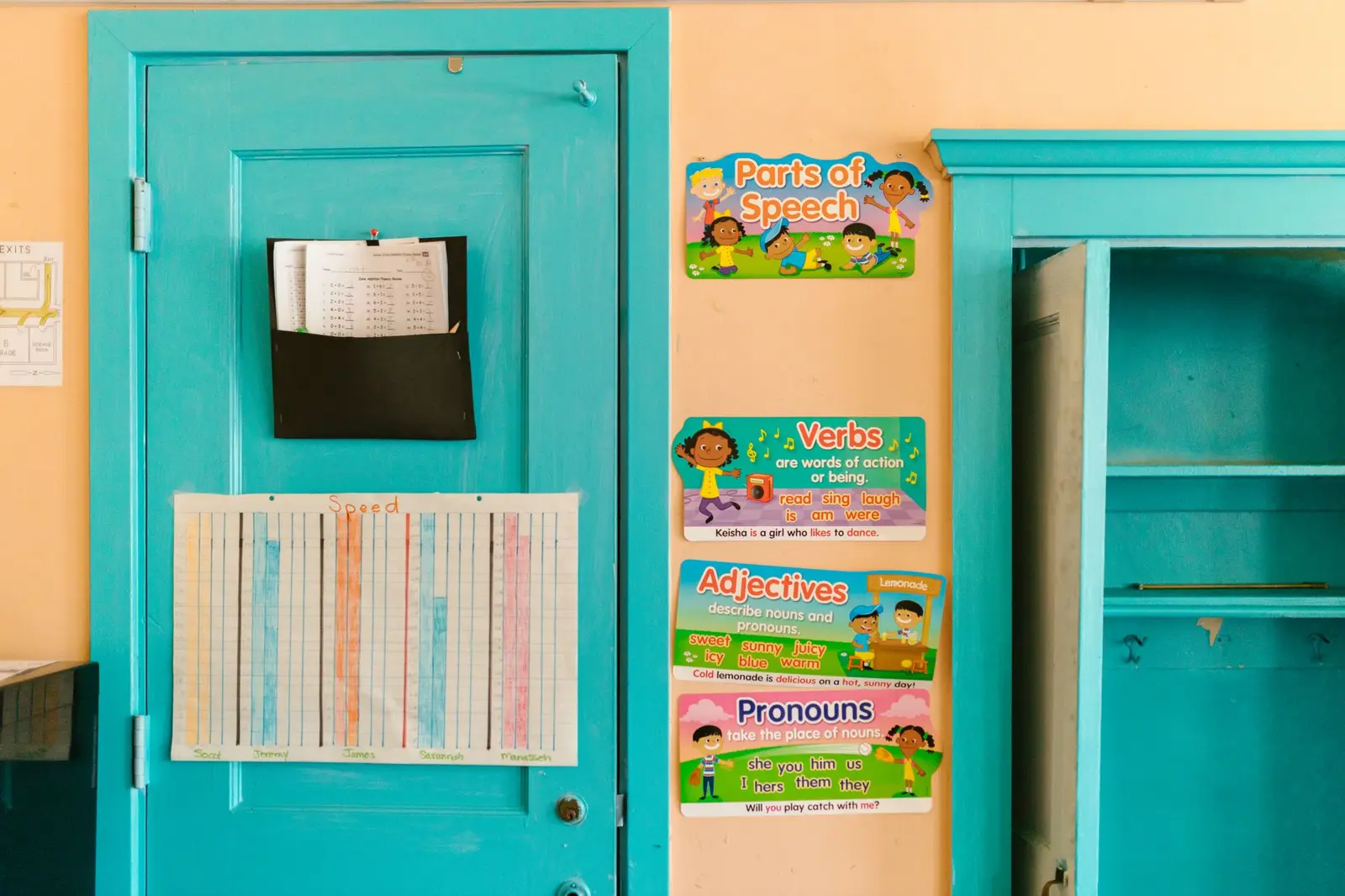
A classroom wall with colourful learning posters beside a turquoise door
Photo: RDNE Stock project on Pexels
The short answer

A well-run self-contained classroom has clear physical zones, individual visual schedules for each student, work systems that show what to do and when it's finished, a staff schedule that matches students' needs, consistent routines, a calm space, and planned opportunities to learn alongside general education peers. Start with structure, then build independence.

Key takeaways
  • Set up clear zones for different activities.
  • Give each student an individual visual schedule.
  • Use work systems that show "how much" and "finished".
  • Plan staffing, routines and inclusion time.

How should the room be organized?

Self-contained classroom zones
ZonePurpose
Schedule stationEach student checks their schedule
Independent workWork systems at individual stations
Teaching tableSmall-group or one-to-one instruction
Group areaMorning meeting, stories, songs
Leisure and playChoice time and social play
Calm spaceRegulating

What routines matter most?

  1. Arrival with a visual checklist
  2. Schedule checks at every transition
  3. Work systems with a clear finish
  4. Break and calm routines
  5. Dismissal with a visual checklist

Visual supports are central to all of these.2

How do I plan inclusion?

IDEA requires education with non-disabled peers to the maximum extent appropriate.3 Plan specific times, like specials, lunch or a subject, with supports and staff in place.

Try
  • Individual schedules for every student
  • A staff schedule posted daily
  • Planned, supported inclusion times
Skip
  • One schedule for everyone
  • Unplanned staff coverage
  • Inclusion without supports
Free printable: classroom packPDF · 8 pages · timetable, now and next, token board, calm corner, breaks, transitions, story and profile
Download Free printable: classroom pack

What can I set up this week?

0 of 3 done

Common questions

A visual way to show a student what work to do, how much, when it's finished and what comes next, often with baskets or folders left to right.

Sources

  1. National Clearinghouse on Autism Evidence and Practice: Research and resources. ncaep.fpg.unc.edu
  2. AFIRM (UNC Frank Porter Graham): Visual supports evidence-based practice brief. afirm.fpg.unc.edu
  3. Legal Information Institute: 34 CFR § 300.114, least restrictive environment requirements. law.cornell.edu

This guide shares general information and our team's perspective, based on the sources above. Rules and services differ by country, region and school, so always check your local guidance and your organisation's policies. How we write our guides.

Was this guide helpful?
Share this guide with someone who'd find it useful
Listen

One small, useful tip a week

Practical ideas built on evidence-based practices, plus a free printable to start. Unsubscribe anytime.

We never sell or share your email.