Skip to content
the autism kit
Guide

How do I start a visual schedule with my toddler?

Start with objects or photos, two steps at a time, and build up as your toddler gets it.

By The Autism Kit teamUpdated Sep 28, 2026 · 1 min read
Listen to this articleAbout 1 min
Read aloud · speed
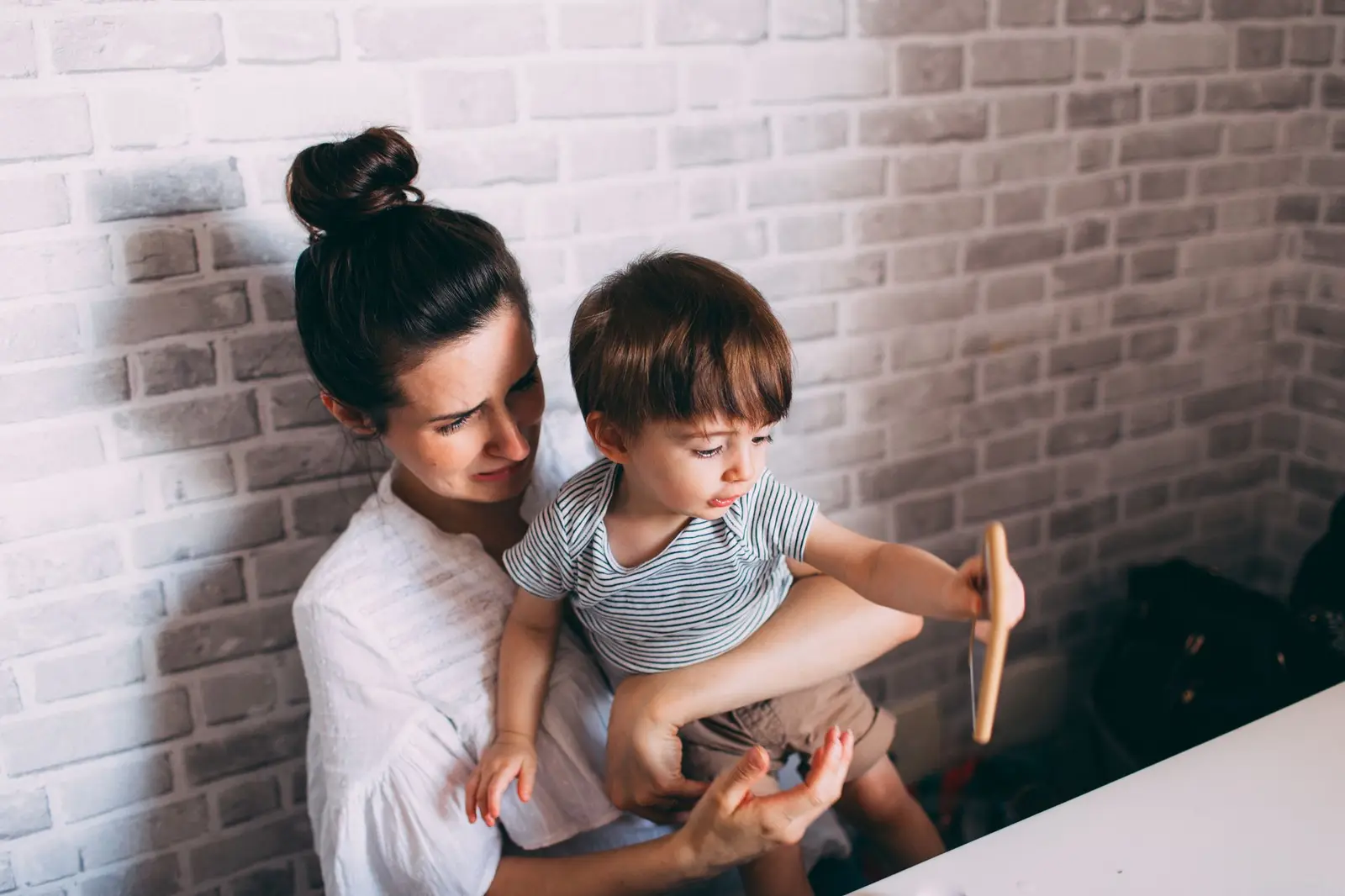
A mother holding her toddler on her lap indoors
Photo: Helena Lopes on Pexels
The short answer

For toddlers, start very small: two steps at a time with a first-then board. Use real objects (a cup for snack, a towel for bath) or photos of your toddler's own things, since these are easier to understand than drawings. Show the picture, say one or two words, and do it right away. Add more steps as your toddler starts to look for the next one.

Key takeaways
  • Start with two steps on a first-then board.
  • Use objects or photos your toddler knows.
  • Say one or two words as you show it.
  • Add steps as your toddler looks for what's next.

Which kind of pictures work for toddlers?

From easiest to hardest
LevelExample
Real objectsA cup means snack
Photos of their own thingsA photo of their car seat means car
Colour picturesA picture of a generic car
SymbolsA simple car symbol

Choose the level your toddler understands and move along over time.1

How do I start?

  1. Pick one routine, like leaving the house.
  2. Show first-then: "First shoes, then car."
  3. Do the first step right away.
  4. Point to 'then' and do it.
  5. Repeat every day until your toddler starts reaching for it.

Visual supports are among the practices with strong evidence for young autistic children.2

Free first-then printablePDF · 1 page · two large picture slots
Download Free first-then printable

What can I try this week?

0 of 3 done

Read next: How do first-then boards work?

Common questions

No. Toddlers can use object or photo schedules, starting with just two steps.

Sources

  1. AFIRM (UNC Frank Porter Graham): Visual supports evidence-based practice brief. afirm.fpg.unc.edu
  2. National Clearinghouse on Autism Evidence and Practice: Research and resources. ncaep.fpg.unc.edu

This guide shares general information and our team's perspective, based on the sources above. Every child is different, so please talk with your child's doctor or care team about what's right for your family. How we write our guides.

Was this guide helpful?
Share this guide with someone who'd find it useful
Listen

One small, useful tip a week

Practical ideas built on evidence-based practices, plus a free printable to start. Unsubscribe anytime.

We never sell or share your email.