Skip to content
the autism kit
Guide

How do early childhood teachers include autistic children under the EYLF?

Linking EYLF V2.0 principles and outcomes to everyday inclusion of autistic children, with planning and documentation ideas.

By The Autism Kit teamUpdated Sep 27, 2026 · 1 min read
Listen to this articleAbout 1 min
Read aloud · speed
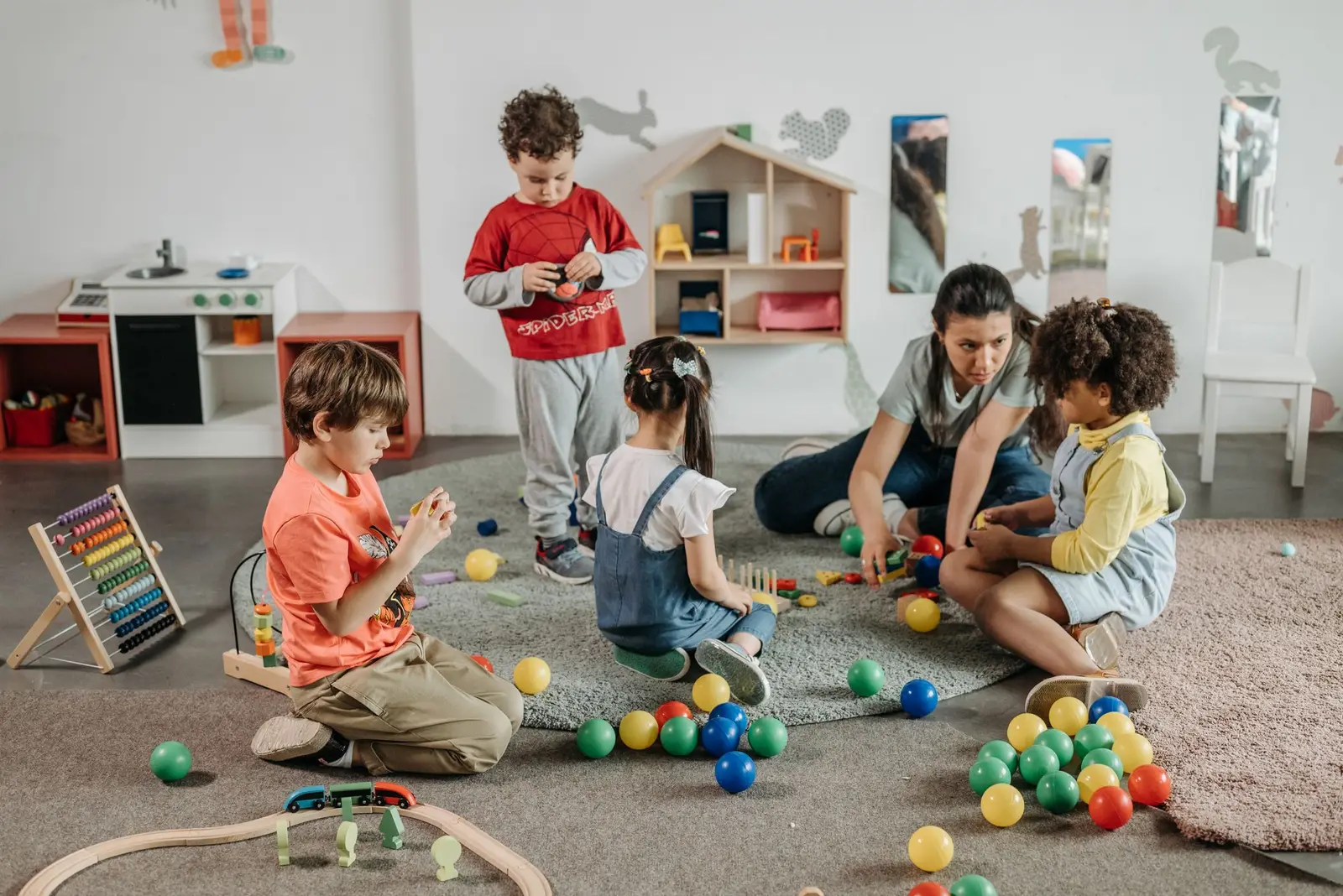
Young children and an educator playing together on the floor of a preschool room
Photo: Pavel Danilyuk on Pexels
The short answer

The Early Years Learning Framework (V2.0) supports inclusion through principles like high expectations and equity, respect for diversity and partnerships with families. For autistic children, that looks like planning from strengths and interests, predictable routines with visual supports, valuing all communication, and documenting progress with families across the five learning outcomes.

Key takeaways
  • The EYLF V2.0 supports inclusion, high expectations and equity.
  • Plan from each child's strengths and interests.
  • Use visual routines and value all communication.
  • Document progress with families.

How does the EYLF support inclusion?

The Early Years Learning Framework V2.0 guides educators working with children from birth to five and through the transition to school. It emphasises principles such as high expectations and equity, respect for diversity, and partnerships with families.1

How do I plan for an autistic child?

  1. Start with strengths and interests. What does the child love and do well?
  2. Agree goals with the family, and with therapists if involved.
  3. Build goals into routines: requesting at snack, turn-taking in play, following a visual routine at pack-up.
  4. Adjust the environment: visual timetable, quiet space, fewer transitions.

Australia's national guideline recommends family-centred, strengths-focused, neurodiversity-affirming supports.2

How do visual supports fit?

Visual timetables, now-and-next boards and choice boards make the day predictable and support communication. They're an evidence-based practice from early childhood onwards.3

How do I document learning?

Try
  • Short observations linked to the learning outcomes
  • Noting what support helped
  • Sharing progress with families regularly
Skip
  • Documenting only what a child can't do
  • Comparing children with each other
Free printable: classroom packPDF · 8 pages · timetable, now and next, token board, calm corner, breaks, transitions, story and profile
Download Free printable: classroom pack

What can I try this week?

0 of 3 done
Common questions

Not necessarily. Many services plan within the usual cycle, adding individual goals and supports agreed with the family and any therapists.

Sources

  1. ACECQA: The Early Years Learning Framework for Australia V2.0. acecqa.gov.au
  2. Autism CRC: Supporting autistic children national guideline. autismcrc.com.au
  3. AFIRM (UNC Frank Porter Graham): Visual supports evidence-based practice brief. afirm.fpg.unc.edu

This guide shares general information and our team's perspective, based on the sources above. Rules and services differ by country, region and school, so always check your local guidance and your organisation's policies. How we write our guides.

Was this guide helpful?
Share this guide with someone who'd find it useful
Listen

One small, useful tip a week

Practical ideas built on evidence-based practices, plus a free printable to start. Unsubscribe anytime.

We never sell or share your email.